<?xml version="1.0" encoding="utf-8"?>
<feed xmlns="http://www.w3.org/2005/Atom">
	<title type="html"><![CDATA[রাজশাহী মেডিকেল কলেজ ফোরাম — বিভিন্ন রোগ ও উপসর্গ]]></title>
	<link rel="self" href="http://www.rmcforum.com/feed-atom-forum27.xml" />
	<updated>2012-08-19T10:39:31Z</updated>
	<generator version="1.4.2">PunBB</generator>
	<id>http://rmcforum.com/</id>
		<entry>
			<title type="html"><![CDATA[ঈদের দিনে শরীরও খুশি থাকুক - ডা. এ আর এম সাইফুদ্দীন একরাম]]></title>
			<link rel="alternate" href="http://rmcforum.com/topic1849new-posts.html" />
			<summary type="html"><![CDATA[<p>রাজশাহী মেডিক্যাল কলেজ হাসপাতালের মেডিসিন বিভাগের <br />সাবেক বিভাগীয় প্রধান অধ্যাপক ডা. এ আর এম সাইফুদ্দীন একরাম<br /><img class="sigimage" src="http://i1132.photobucket.com/albums/m566/sawontheboss4/DrSaifuddinEkram.png" alt="http://i1132.photobucket.com/albums/m566/sawontheboss4/DrSaifuddinEkram.png" /></p><br /><p>ঈদের দিনে এবাড়ি ওবাড়ি ঘুরে খাওয়াটা বেশিই হয়ে যায়। খাবারগুলো আবার তেল-ঝাল-মিষ্টিতে সয়লাব থাকে। তাই অনেকের জন্যই স্বস্তির হয় না খুশির এই দিনটা। ঈদের দিনের স্বাস্থ্যকর খাবারের পরামর্শ দিয়েছেন রয়্যাল মেলবোর্ন হাসপাতাল, অস্ট্রেলিয়ার ভিজিটিং ফেলো এবং রাজশাহী মেডিক্যাল কলেজ হাসপাতালের মেডিসিন বিভাগের সাবেক বিভাগীয় প্রধান অধ্যাপক ডা. এ আর এম সাইফুদ্দীন একরাম&nbsp; &nbsp; <br />সুস্থ শরীর সুন্দর জীবনের প্রধান উপায়। স্বাস্থ্যকর জীবন যাপনের জন্য পুষ্টিকর খাবার, শরীর চর্চা, মনের আনন্দ ইত্যাদি গুরুত্বপূর্ণ। ইসলাম ধর্মে শরীর ও মন ভালো রাখার ওপর বিশেষ গুরুত্ব দেওয়া হয়েছে।<br />কিন্তু ২০০৪ সালে ইংল্যান্ডের অভিবাসীদের মধ্যে পরিচালিত এক স্বাস্থ্য সমীক্ষায় দেখা যায়, এশিয়ার জনগণের মধ্যে বিশেষভাবে মুসলিমদের জীবনাচরণ এবং স্বাস্থ্যের অবস্থা সবচেয়ে খারাপ। অন্য জনগোষ্ঠী যেখানে ২৪ শতাংশ ধূমপান করে, সেখানে বাংলাদেশিদের ৪০ শতাংশ ধূমপায়ী। এখানে ডায়াবেটিসের হারও অনেক বেশি। বাংলাদেশ এবং পাকিস্তানিদের মধ্যে এর প্রকোপ অন্যদের চেয়ে পাঁচ গুণ বেশি এবং ভারতীয়দের মধ্যে তিন গুণ। একজন মানুষের দৈনিক যতটুকু ফল ও সবজি খাওয়া উচিত একজন বাংলাদেশি তার মাত্র ২৮ ভাগ খায়।<br />মুসলমানরা প্রতিবছর রোজা ও ঈদ পালন করেন। তাঁদের জীবনযাত্রায় এর প্রভাবও অনেক। রমজান মাসে খাদ্যাভ্যাসে বেশ পরিবর্তন আসে। ত্রিশ দিন সংযমের ঈদের দিনে খাবারের অয়োজন হয় অনেক বেশি। এটা শরীরের জন্য আচমকা একটা ব্যাপার। অভ্যাসবশে বা রীতিমাফিক ঈদের দিন তেল-চর্বি ও মিষ্টিসমৃদ্ধ প্রচুর খাবার শরীরে প্রবেশ করে। কিন্তু এটা কতটা স্বাস্থ্যকর?<br />রোজা পালন শেষে ঈদে স্বাস্থ্যকর খাদ্য গ্রহণ করার ক্ষেত্রে বিশেষ সতর্কতা অবলম্বন জরুরি।</p><p><strong>ঈদ এবং স্বাস্থ্যকর খাবার</strong><br />রোজা রাখলে শরীরের ভেতরে বেশ কিছু পরিবর্তন হয়। বিশেষ করে পুরো মাস যাঁরা রোজা রাখছেন তাঁদের ক্ষেত্রে। সাধারণত শেষ খাবার গ্রহণের আট ঘণ্টা পর শরীরে উপবাসের প্রভাব শুরু হয়। এ সময় অন্ত্র থেকে আর কোনো পুষ্টি উপাদান শোষিত হয় না। অন্য সময় যকৃৎ এবং পেশিতে যে গ্লুকোজ সঞ্চিত থাকে সেটাই শক্তির উৎস হিসেবে কাজ করে। কিন্তু রোজা থাকলে শরীরের গ্লুকোজ ফুরিয়ে যাওয়ার পর চর্বি ভেঙে শক্তি তৈরি হয়। পর পর কয়েক দিন অভুক্ত থাকলে শরীর শক্তির জন্য প্রোটিন ব্যবহার করে। তখন শরীর শুকিয়ে যায়। কিন্তু রোজার ফলে এমন অবস্থার সৃষ্টি হয় না। বরং রোজা থাকলে শরীরে চর্বি কমে, কোলেস্টেরল কমে এবং ওজন কমানো সহজ হয়। এর ফলে ডায়াবেটিস এবং উচ্চ রক্তচাপ নিয়ন্ত্রণ করা সহজ হয়। কয়েক দিন রোজা থাকার পর রক্তে কিছু রাসায়নিক উপাদানের পরিমাণ বেড়ে যায়। এক মাস রোজা রাখার কারণে শরীর এভাবে খাদ্য গ্রহণে অভ্যস্ত হয়ে যায়। সে পাকস্থলীতে গ্রহণ করা খাদ্যদ্রব্য হজমের পর ধীরে ধীরে শক্তি ব্যয় করে। তাই এক মাস রোজা শেষে ঈদের দিন হঠাৎ করে বেশি খাবার বা ভিন্ন ধরনের খাবার এবং দিনের বেলা পানাহারে শরীর অস্বস্তি বোধ করে। কিন্তু উৎসবের আমেজে অনেক সময় বেশি খাওয়া হয়ে যায়; এমন সব খাবার খাওয়া হয়, যার মধ্যে অতিরিক্ত চর্বি, লবণ ইত্যাদি থাকে। শরীর এ ধরনের ভারী খাবার হজম করতে পারে না। তখন শরীর লবণ ও খনিজ পদার্থের ভারসাম্য রক্ষায় হিমশিম খায়।</p><p>ঈদের দিনে আনন্দে স্বাস্থ্যকর খাবারের জন্য আমাদের কতগুলো সাধারণ বিষয়ের দিকে লক্ষ্য রাখতে হবে।<br />* ঈদের দিন আমরা সেমাই, জর্দা, হালুয়া ইত্যাদি মিষ্টি দ্রব্য খেতে পছন্দ করি। এসব খাবারে চিনি-গুড় এবং দুধ-ঘি যত কম ব্যবহার করা যায় তত ভালো। কারণ চিনি কার্বহাইড্রেট। বাড়তি যা গ্রহণ করা হবে শরীরে চর্বি হিসেবে জমবে। দুধ-ঘি যে প্রক্রিয়ায় খাদ্যদ্রব্যে ব্যবহার করা হয় তা সহজে পাকস্থলী হজম করতে পারে না। তাই গুড়-চিনির পরিবর্তে বিভিন্ন ফলের টুকরো যেমন_খেজুর, কিশমিশ ইত্যাদি ব্যবহার করা যেতে পারে। কলার পিঠা, তালের পিঠা, কাউনের ক্ষীর, চালকুমড়ার হালুয়া, পেঁপের হালুয়া, গাজরের হালুয়া, লাউ দুধ, আনারসের জর্দা, কমলার জর্দা, সাদা দই ইত্যাদি বিকল্পের কথা ভাবা যেতে পারে। এগুলো সহজপাচ্য ও সুস্বাদু।<br />* ঈদের খাবারের মেন্যুতে সাধারনত গরু কিংবা খাসির মাংসের রেজালা-কোরমা থাকে। গরু-খাসির মাংসে কোলেস্টেরলসহ বেশ কিছু উপাদান থাকে, যা হার্টের রোগীদের জন্য ক্ষতিকর। এগুলোর উচ্চ মানের প্রোটিন কিডনি রোগীদের জন্যও ক্ষতিকর। তা ছাড়া যাদের রক্তনালিতে ব্লক আছে বা ব্লক হওয়ার ঝুঁকি আছে তাদের জন্যও গরু-খাসি এড়িয়ে চলা উচিত। মুরগির মাংসে চর্বি কম থাকে। কাজেই মুরগির মাংসকে অগ্রাধিকার দেওয়া যেতে পারে। মুরগির কোরমা, রেজালা, চিকেন টিক্কা, রোস্ট, কালিয়া ইত্যাদি তুলনায় অনেক স্বাস্থ্যকর ও গরুর মাংসের বিকল্প হতে পারে।<br />* মাংস ছাড়া মাছের রকমারি খাবার পরিবেশন করা যেতে পারে। মাছ সহজে হজম হয়, এতে উপকারী উপাদানের পরিমাণও বেশি। তবে হার্টের রোগী ও অন্যান্য রোগীদের পাঙ্গাশ মাছ (অতিরিক্ত চর্বির কারণে) এড়িয়ে চলা ভালো। মাংসের পরিবর্তে মাছের কোরমা, মাছের দোপেঁয়াজা, চিতল বা ফলি মাছের কোফতা, ইলিশের পেঁয়াজি, ইলিশ কাবাব, আনারস ইলিশ, নারিকেলি ইলিশ, শর্ষে ইলিশ, শর্ষে তেলাপিয়া, রূপচাঁদা দোপেঁয়াজা, রুই মাছের মুড়িঘণ্ট, কৈ মাছের পাতুরি ইত্যাদি পদের ব্যাঞ্জন খুব সুস্বাদু।<br />* ঈদের খাবারে সবজি থাকা চাই। সবজিতে থাকে প্রচুর আঁশ ও ভিটামিন। এ জন্য থাকতে পারে বিভিন্ন ধরনের তাজা সবজি ও ফলের সালাদ; যেমন_দই দিয়ে শসার সালাদ, টম্যাটো-বাঁধাকপির সালাদ, পাকা ফলের সালাদ ইত্যাদি। এ ছাড়া পরিবেশন করা যেতে পারে সিদ্ধ ঢেঁড়স, বাঁধাকপি কিংবা ফুলকপি, শাকপাতা ভর্তা, পটল কিংবা কাঁকরোলের ভর্তা, পেঁপে ভাজি, মুলা ভাজি, ভাজা ফুলকপি, ভুনা শালগম, ভুনা আলু-বেগুন, লাউ শুক্ত, ঝিঙে ডাল, কপি-আলু-মটরশুঁটির ডালনা ইত্যাদি।<br />* শাকসবজি রান্নার আগে ধুয়ে কেটে নিতে হয়। খোসা ছাড়ানোর পর বড় টুকরো করে কেটে দেরি না করে রান্না করা ভালো। কাটার পর ধুলে বেশ কিছু ভিটামিন বের হয়ে যায়। অনেকক্ষণ কেটে রাখলেও পুষ্টিমান কমে যায়। হাঁড়ির মুখ বন্ধ করে অল্প পানিতে সিদ্ধ করতে হয়। শাকসবজি অতিরিক্ত তেলে না ভেজে সিদ্ধ করা কিংবা মাইক্রোওয়েভে রান্না করা ভালো। ফলে শাকসবজির ভিটামিন বিনষ্ট হওয়ার ঝুঁকি কমে যায়।<br />* ঈদের খাবারের তালিকায় তেলে ভাজা খাদ্য যেমন_ শিঙাড়া, সমুচা, পাকোড়া, ডালপুরি ইত্যাদি কম থাকা ভালো। ভাজাপোড়া যেকোনো খাবার হজম হতে দেরি হয় এবং এসিডিটির মতো কিছু অস্বস্তিকর অসুখের কারণ হয়। রান্নার জন্য ঘি কিংবা মাখনের চেয়ে সয়াবিন তেল, সানফ্লাওয়ার অয়েল ইত্যাদি ব্যবহার করা স্বাস্থ্যকর। এখন বাজারে পাওয়া যায় এমন সয়াবিনের বেশির ভাগই কোলেস্টেরলমুক্ত। আর সানফ্লাওয়ার অয়েল কোলেস্টেরলমুক্ত তো বটেই, এতে আছে ওমেগা থ্রি। এ কারণে এই তেল হার্টের জন্য ভালো।<br />* ঈদের মিষ্টি-তেল ও চর্বিসমৃদ্ধ খাবারের মধ্যে অনেকেই একটু ঝাল-টক খেতে পছন্দ করেন। আর সেটা রুচিপ্রদ এবং পরিপাকের জন্যও সহায়ক। এ জন্য যোগ করা যেতে পারে পুদিনার চাটনি, জলপাইয়ের আচার, আমের চাটনি, আমড়া, তেঁতুল, করমচা কিংবা অন্য কোনো মৌসুমি ফলের আচার।<br />* যাঁরা খাবারের সঙ্গে পানীয় রাখতে আগ্রহী, তাঁরা কোমল পানীয়ের বদলে বিভিন্ন ধরনের শরবতের কথা চিন্তা করতে পারেন। যেমন_ বেলের শরবত, বাঙ্গি কিংবা তরমুজের শরবত, তেঁতুলের শরবত, লাচ্ছি, বোরহানি, ফালুদা, এলাচ চা, মধু চা ইত্যাদি।<br />* দীর্ঘ এক মাস রোজার পর ঈদের দিন অতিভোজন না করাই উত্তম। লঘুপাক খাবার অল্প পরিমাণে বারবার খাওয়া শরীরের জন্য সহনীয়।</p><p><a href="http://www.kalerkantho.com/index.php?view=details&amp;archiev=yes&amp;arch_date=16-08-2012&amp;type=gold&amp;data=University&amp;pub_no=976&amp;cat_id=1&amp;menu_id=181&amp;news_type_id=1&amp;index=0#.UDDBdZaLWhk" target="_blank">কালের কন্ঠে লিঙ্ক</a></p>]]></summary>
			<author>
				<name><![CDATA[sawontheboss4]]></name>
				<uri>http://rmcforum.com/user2.html</uri>
			</author>
			<updated>2012-08-19T10:39:31Z</updated>
			<id>http://rmcforum.com/topic1849new-posts.html</id>
		</entry>
		<entry>
			<title type="html"><![CDATA[দাঁত শিরশির করলে - ডা. মোঃ আসাফুজ্জোহা রাজ]]></title>
			<link rel="alternate" href="http://rmcforum.com/topic1810new-posts.html" />
			<summary type="html"><![CDATA[<p>ডা. মোঃ আসাফুজ্জোহা রাজ<br />রাজ ডেন্টাল সেন্টার</p><p>শুধু আমাদের দেশেই নয়, পৃথিবীর প্রায় সব স্থানেই অর্ধেকের বেশি মানুষ স্বল্প বা দীর্ঘমেয়াদি দাঁতের অতিসংবেদন-শীলতা অথবা দাঁত শিরশির কষ্টে ভুগছে। বিশেষ করে ঠাণ্ডা বা গরম খাবার গ্রহণের সময় এর মাত্রা প্রায় অসহনীয় পর্যায়ে পৌঁছে।<br /><strong>দাঁতের অতিসংবেদনশীলতার কারণ</strong></p><p><p class="bbcenter"><img class="sigimage" src="http://i.imgur.com/Khirb.jpg" alt="http://i.imgur.com/Khirb.jpg" /></p></p><p>এনামেল ক্ষয় হলে দাঁতের ২য় স্তর ‘ডেন্টিন’ ক্ষয় হতে থাকে। হলুদ বর্ণের এ স্তরে সরাসরি স্নায়ুর সংযোগ না থাকলেও এটি অতিসংবেদনশীল।<br />অপরদিকে কোন কারণে মাড়ি সরে যেয়ে দাঁতের শিকড় বা রুটকে ক্ষয় করলে উপরোক্ত কারণেই দাঁত শির শির করে।<br />দাঁতের এনামেল ক্ষয়ের কারণ : ব্যাকটেরিয়া গোত্রীয় জীবাণু দ্বারা, দাঁত ক্ষয় বা ডেন্টাল ক্যারিজ ও আঘাতজনিত কারণে দাঁত ক্ষয়ের পাশাপাশি অন্য কারণগুলো হচ্ছে শক্ত টুথ ব্রাশ ও দানাযুক্ত পাউডার, ছাই, কয়লা ইত্যাদি দিয়ে নিয়মবহিভর্‚ত দাঁত পরিষ্কার পদ্ধতি, পেটের অনিয়ন্ত্রিত এসিডিটি ও অতিরিক্ত টক খাবার খাওয়া, দাঁতে দাঁত কাটার অভ্যাস, আপত্যিকর অভ্যাস যেমন কলম চাবানো, দাঁত দিয়ে প্যাকেট ছেড়া, নখ কাটা, মেয়েরা চুলের ক্লিপ খুলতে দাঁত ব্যবহার, দাঁতের অম্বাভাবিক অবস্থান, ত্র“টিপূর্ণ কৃত্রিম দাঁত ইত্যাদি উল্লেখযোগ্য।</p><p><strong>দাঁতের শিকড় ক্ষয় কারণ</strong><br />দাঁতের গোড়ায় ব্যাকটেরিয়া প্লাক ও পাথর জমা অনিয়ন্ত্রিত ডায়াবেটিস, নিয়মবহিভর্‚ত দাঁত ব্রাশ, দাঁতের নিজস্ব গঠন প্রভৃতি উল্লেখযোগ্য।</p><p><strong>প্রতিরোধ </strong>: নরম, ছোট মাথা, নমনীয় ব্রাশ দিয়ে দাঁত পরিষ্কার করতে হবে। দানামুক্ত পর্যাপ্ত ফ্লোরাইড যুক্ত টুথপেস্ট ব্যবহার ও শারীরিক অবস্থা ও দাঁতের গঠনের ওপর নির্ভর করে ডেন্টাল সার্জনের পরামর্শ মতো দাঁত ব্রাশের নিয়ম শেখা।<br />শারীরিক সমস্যা যেমন অনিয়ন্ত্রিত গ্যা¯্র¡িক এসিডিটি, ডায়াবেটিস নিয়ন্ত্রণে রাখা, ডেন্টাল ফ্লস ব্যবহার করা।</p>]]></summary>
			<author>
				<name><![CDATA[sawontheboss4]]></name>
				<uri>http://rmcforum.com/user2.html</uri>
			</author>
			<updated>2012-07-01T09:15:58Z</updated>
			<id>http://rmcforum.com/topic1810new-posts.html</id>
		</entry>
		<entry>
			<title type="html"><![CDATA[প্রস্রাবে  সমস্যা ও  তলপেটের বাপ পাশে বেথা]]></title>
			<link rel="alternate" href="http://rmcforum.com/topic1768new-posts.html" />
			<summary type="html"><![CDATA[<p>সবাইকে আমার সালাম জানাই,</p><p>আমার নাম রাশেদ, বয়স ২২ . ঢাকা থাকি | আমি অনেকদিন যাবত প্রস্রাব করার সময় কিসু সমস্যা অনুভব করছি . আমার সমস্যা হলো প্রস্রাব করার সময় মনেহয় প্রস্রাব ক্লিয়ার হয়না. আর প্রস্রাব বেরহয় ঝরনার মত. মানে কয়েক নালে প্রস্রাব বের হয়. তাছাড়াও আমার তলপেটের বাম পাশে হালকা বেথা অনুভব করি. কিভাবে এমি এই সমস্যা থেকে পরিত্রাম পেতে পারি, দয়া করে জানালে অনেক উপকৃত হব. </p><p>ধন্যবাদ.</p>]]></summary>
			<author>
				<name><![CDATA[rashed4422]]></name>
				<uri>http://rmcforum.com/user1141.html</uri>
			</author>
			<updated>2012-04-17T21:56:01Z</updated>
			<id>http://rmcforum.com/topic1768new-posts.html</id>
		</entry>
		<entry>
			<title type="html"><![CDATA[পেটের সমস্যা]]></title>
			<link rel="alternate" href="http://rmcforum.com/topic1612new-posts.html" />
			<summary type="html"><![CDATA[<p>আমার বয়স ২৫ বছর । আমার বয়স যখন ১২ বছর তখন পেটে ব্যথা অনুভব করি।গ্রাম্য ডাক্তার তখন বলেছিলেন লিভারের সমস্যা।তার ঠিক তিন বছর পর আবার সেই ব্যথা অনুভব করতে থাকি।তখন নতুন এক ডাক্তারের কাছে গেলে তিনি আমাকে zantac ওষুধ সেবন করতে বলেন।তারপরও ব্যথা অনুভব করতে থাকি।পরে আবার একজন মেডিসিন স্পেশালিস্ট এর কাছে যাই। তিনি বলেন এই সমস্যা সমাধান হবেনা।দিনদিন ব্যথা বাড়তেই&nbsp; থাকে।এর কিছুদিন পর আরেকজন মেডিসিন স্পেশালিস্ট এর কাছে যাই।তিনি আমাকে বিভিন্ন টেস্ট করাতে বলেন। যেমন এন্ডোস্কপি, এক্সরে, রক্ত, ইউরিন&nbsp; ইত্যাদি।এরপর তিনি বলেন এ্টা তেমন&nbsp; কোন জটিল রোগ নয়।তিনি কিছু ওমিপ্রাজল জাতীয় ওষুধ সেবন করতে বলেন।তেমন কোন ফলাফল না পাওয়ায় ঢাকায় একজন গাস্ট্রো এণ্টারোলোজ়িস্ট কাছে যাই। তিনি আবারো এন্ডোস্কপি, এক্সরে, রক্ত,ইউরিন&nbsp; ইত্যাদি টেস্ট করাতে বলেন।টেস্ট দেখে বলেন কিছু সমস্যা আছে তবে ওষুধ খেলে ঠিক হয়ে যাবে।তিনি আমাকে progut, taverin, alzolam, domilux জ়াতীয় ওষুঢ খেতে বলেন সাথে কিছু খাবার খেতে নিষেধ করেন যেমন টক জাতীয় খাবার, কফি, দুধ, কোল্ড ড্রিংস ইত্যাদি।তবুও তেমন ফল পায় নাই। এখন আমার কি করা উচিত? আমি ধূমপান বা ড্রিংক্স করিনা এবং প্রচুর পানি পান করি।<br />আমার সমস্যা গুল হল<br /> ১।ওজন দিনদিন কমে যাচ্ছে&nbsp; &nbsp; <br /> ২। খাবার পর বা পানি খাবার পর পেটে পানি বাজতে থাকে যেন কেউ ঝাকাচ্ছে<br /> ৩। পুস্টিকর খাবার খেলে ডায়রিয়া<br /> ৪। হজমে সমস্যা<br /> ৫।নারীর প্রতি কোন অনুভুতি নাই<br /> ৬।কাজ করার জন্য কোন শক্তি পাইনা, ৫ মিনিট দোড়ালে হাপিয়ে উঠি<br /> ৭।পড়াশুনায় মনযোগ দিতে পারিনা</p>]]></summary>
			<author>
				<name><![CDATA[বাউন্ডুলে তিতাস]]></name>
				<uri>http://rmcforum.com/user1015.html</uri>
			</author>
			<updated>2011-11-16T17:49:10Z</updated>
			<id>http://rmcforum.com/topic1612new-posts.html</id>
		</entry>
		<entry>
			<title type="html"><![CDATA[পেটের সমস্যা]]></title>
			<link rel="alternate" href="http://rmcforum.com/topic1611new-posts.html" />
			<summary type="html"><![CDATA[<p>কিভাবে আমি ইরিটেবল বাওয়াল সিন্ড্রোম(IBS) থেকে মুক্তি পেতে পারি?</p>]]></summary>
			<author>
				<name><![CDATA[বাউন্ডুলে তিতাস]]></name>
				<uri>http://rmcforum.com/user1015.html</uri>
			</author>
			<updated>2011-11-14T05:51:26Z</updated>
			<id>http://rmcforum.com/topic1611new-posts.html</id>
		</entry>
		<entry>
			<title type="html"><![CDATA[হেপাটাইটিস বি তে ভোগছি :]]></title>
			<link rel="alternate" href="http://rmcforum.com/topic1582new-posts.html" />
			<summary type="html"><![CDATA[<p>কেমন আছেন সবাই। এটা আমার প্রথম পোষ্ট এই ফোরামে। </p><p>আমি গত মাস পাঁচেক আগে একজন কে রক্ত দিতে গিয়েছিলাম। তখন ব্লাড ব্যাংক(কোয়ান্টাম ফাউন্ডেশন, শান্তিনগর, ঢাকা।) আমার রক্তে প্রায় ৫টি টেষ্ট করেছিল। সবগুলোই(৪টিতে) নেগেটিভ ছিল। কিন্তু একটিতে পজিটিভ ছিল। আর সেটি হচ্ছে হেপাটাইটিস বি পজেটিভ। </p><p>আমি কিছুটা চিন্তিত হয়ে যাই। তখন আমি ধানমন্ডিতে মডার্ন ডায়াগষ্টিক সেন্টারে আবার হেপাটাইটিস বি (এলিসা) টেষ্ট করাই। সেখানেও রিপোর্ট পজিটিভ আসে।</p><p>তারপর আমি সেন্ট্রাল হসপিটাল, ধানন্ডিতে একজন ডাক্তার এর পরামর্শে ল্যাব এইড হসপিটাল এর ড. সেলিমুর রহমান এর সাথে দেখা করি। যিনি</p><p>লিভার ও মেডিসিন বিশেষজ্ঞ<br />অধ্যাপক, লিভার বিভাগ<br />বঙ্গবন্ধু শেখ মুজিব মেডিকেল বিশ্ববিদ্যাল, ঢাকা</p><p>তিনি আমাকে অনেক গুলো টেষ্ট করার জন্য লিখে দেন। টেষ্ট গুলো হচ্ছে...</p><p>Hb%<br />Platelet Count<br />SGPT (S.ALT)<br />Prothrombin Time (PT)<br />Anti-HBc IgM (ELISA)<br />HBe Ag (ELISA)<br />HBV DNA (PCR)<br />USG - Whole Abdomen, HBS - 2D</p><p>এই টেষ্টগুলো আমি ল্যাব এইড থেকেই করাই যাতে আমার প্রায় 11000 টাকা খরচ হয়েছে। রিপোর্ট করানোর পর সব রিপোর্টই ভাল হয়েছে। তাই ডাক্তার সাহেব আমাকে তিন মাস XincB খেতে বললেন। তারপর আবার দেখা করতে বললেন। আমি যথারীতি দেখা করার পর তিনি আমাকে বললেন যে, এটা কোন সিরিয়াস ধরনের সমস্যা নয়। তাই তিনি আবারও আমাকে Aristovit-M তিন মাস খেতে বললেন। যেটা প্রায় দুই মাস যাবত আমি খাচ্ছি। আর এক মাস পরে SGPT টেষ্ট করার পর ডাক্তার সাহেবের সাথে দেখা করতে যাব। </p><p>*** ডাক্তার সাহেব খুবই ব্যাস্ত থাকে তাই বিস্তারিত কথা বলারও সময় পাওয়া যায় না। যেহেতু তিনি অভিজ্ঞ তাই আমিও আর বেশী কিছু জিজ্ঞাসা করি নি। কিন্তু আমি এখন আসলেই চিন্তিত যে, কতদিন পর্যন্ত ট্রিটমেন্ট করতে হতে পারে। আর কতটুকুই বা এটি ক্ষতিকর</p><p>আপনাদের তথ্য সমৃদ্ধ উত্তরের আশায় রইলাম।</p>]]></summary>
			<author>
				<name><![CDATA[iAm]]></name>
				<uri>http://rmcforum.com/user1000.html</uri>
			</author>
			<updated>2011-10-13T12:53:45Z</updated>
			<id>http://rmcforum.com/topic1582new-posts.html</id>
		</entry>
		<entry>
			<title type="html"><![CDATA[ত্বকের প্রদাহের প্রতিকার চাই]]></title>
			<link rel="alternate" href="http://rmcforum.com/topic1445new-posts.html" />
			<summary type="html"><![CDATA[<p>আমার বয়স ২৮ বছর। আমার অনেক দিন ধরে মুখ এবং মাথার ত্বকের সমস্যা রয়েছে। সমস্যা গুলো হলোঃ-<br />১। থুতনির দুই পাশে, উপরের ঠোটের দুই পাশে, নাকের দুই ফুটার পাশে, ভুরুতে, কানের লতির পিছনে অমসৃন ত্বক, গোলাপী কিংবা লাল রঙ্গের গোটা বা র‌্যাশ হাত দিলে অনুভুত হয়, তির তির করে চুলকায় এবং খুসকির মতো আশ আশ, সাদা সাদা মরা চামড়া উঠে, (দাড়ি গোফ বড় হলে বেশি চুলকায়), বেশি চুলকালে জ্বলে এবং উক্ত স্হান থেকে পানির মতো বের হয়ে ভিজে থাকে এবং পরে শুকিয়ে যায়।<br />২। মাথায় ও প্রচন্ড চুলকায় এবং উপরোক্ত সমস্যা হয়। মাথা হাত দিয়ে ঝাড়া দিলে মরা চামড়াগুলো পড়তে থাকে।(আগে খুশকি মনে করতাম)<br />৩। চুলকানোর জায়গাগুলো ফোলা ফোলা চাকার মতো থাকে।(আমার এলার্জি নাই মানে কোন কিছু খেলে চুলকানো শুরু হওয়া)<br />৪। বেশিরভাগ আক্রান্ত জায়গার ত্বক সাদাটে মতো দেখতে লাগে, ঠোটের পাশের জায়গাগুলি কালচে লালচে মতো হয়ে থাকে যা খুব বিশ্রী লাগে।</p><p>গুরুত্ব নাদিয়ে সমস্যাটা বেড়ে গিয়েছিল। শেষে রাজশাহী আউটডোরে দেখিয়েছিলাম-ইকোনেটপ্লাস ক্রিম আর কিছু ট্যাবলেট দিয়েছিল আর মাথার জন্য, KTZ PLUS&nbsp; শ্যাম্পু দিয়েছিল। ক্রিম ব্যবহার করলে চুলকানো বন্ধ হতো কিন্তু, আক্রান্ত জায়গাটারও কিছুটা উন্নতি হতো কিন্তু পুরো ভাল হতো না। শেষে হোমিও খেতে লাগলাম-অনেকদিন খাওয়ার পর অনেকটা নিয়ন্ত্রনে চলে এসেছে কিন্তু পুরো ভাল হচ্ছে না, ইদানিং মনে হচ্ছে একটু একটু করে আবার বাড়ছে।</p><p>দয়া করে একটা সুপরামর্শ দেবেন আশা করি। এটা কি ছোয়াচে রোগ? আমার সংশ্পর্ষে এসে কি কারও এই সমস্যা হতে পারে?</p>]]></summary>
			<author>
				<name><![CDATA[forum_search]]></name>
				<uri>http://rmcforum.com/user801.html</uri>
			</author>
			<updated>2011-07-20T08:52:46Z</updated>
			<id>http://rmcforum.com/topic1445new-posts.html</id>
		</entry>
		<entry>
			<title type="html"><![CDATA[কাশির সঙ্গে রক্ত গেলে - ডা. একেএম মোস্তফা হোসেন]]></title>
			<link rel="alternate" href="http://rmcforum.com/topic1362new-posts.html" />
			<summary type="html"><![CDATA[<p>ডা. একেএম মোস্তফা হোসেন<br />পরিচালক<br />জাতীয় বক্ষব্যাধি ইন্সটিটিউট ও হাসপাতাল </p><p>কাশির সঙ্গে রক্ত, ফোঁটা ফোঁটা রক্তের দাগ বা লম্বা সরু দাগ থেকে শুরু করে প্রচুর পরিমাণ রক্ত আসতে পারে। মেডিকেল ভাষায় একে হেমোপটোসিস বলে। কাশির সঙ্গে অল্প বা বেশি পরিমাণ রক্ত দেখা যাক না কেন তার সঠিক ইতিহাস জানা এবং অন্তর্নিহিত কারণ বের করা প্রয়োজন। কারণ কাশির সঙ্গে রক্ত দেখা দিলে কখনও কখনও ফুসফুসে জটিলতা সন্দেহ করা হয়, যেমন ফুসফুসে ক্যান্সার। যদি দ্রুত রোগ নির্ণয় করা যায় তা হলে সঠিক চিকিৎসা করালে বেশিরভাগ রোগই পুরোপুরি নির্মূল করা সম্ভব, যেমন যক্ষ্মা রোগ প্রাথমিক অবস্থায় ধরা পড়লে ৬ মাসের ওষুধ খেলে সম্পূর্ণ ভালো হয়ে যায়।<br /><p class="bbcenter"><img class="sigimage" src="http://i.imgur.com/kQXpx.jpg" alt="http://i.imgur.com/kQXpx.jpg" /></p></p><p><strong>নিম্নলিখিত কারণে কাশির সঙ্গে রক্ত যেতে পারে</strong><br />১. ব্রংকাইটিস<br />২. ফুসফুসে ক্যান্সার<br />৩. যক্ষ্মা<br />৪. ব্রংকিইয়েকটেসিস<br />৫. ফুসফুসে ফোঁড়া <br />৬. পালমোনারি থ্রম্বোএম্বলিজম<br />৭. হার্টের ভাল্বের সমস্যা যেমন-Mitral Stenosis<br />৮. হার্ট ফেইলর </p><p>অন্যান্য কারণেও কাশির সঙ্গে রক্ত যেতে পারে। যেমন, বুকে আঘাতজনিত কারণে। বিভিন্ন ধরনের ভাসকুলাইটিস যেমন, (পালমোনারি শিরা-ধমনির জটিলতা)। রক্তের বিভিন্ন ধরনের রোগের কারণ যেমন, হেমোফিলিয়া। ওষুধের কারণে যেমন, ওয়ারফেরিন, ব্যথানাশক ওষুধ (ঘঝঅওউং)। <br />কিছু বিরল কারণ যেমন, মহিলাদের প্রতি মাসে ঋতুস্রাবের সময় কাশির সঙ্গে রক্ত যেতে পারে যাকে বলে ক্যাটামেনিয়াল হেমোপটেসিস।<br />প্রথমে কাশির সঙ্গে রক্ত, বমির সঙ্গে নাকি নাক-কান ও গলার কোন কারণে রক্ত যায় তা সঠিকভাবে নির্ণয় করতে হবে। অনেক সময় গলা খাকাড়ি দিলে রক্ত আসতে পারে। এজন্য রোগীর কাছ থেকে বিস্তারিত ইতিহাস জানতে হবে। </p><p><strong>উৎস</strong><br />যেমন, নাক দিয়ে রক্ত আসা, গলা ফ্যাঁস ফ্যাঁস হয়ে যাওয়া, মুখে যদি ঘা থাকে তাহলে সন্দেহ হবে যে শ্বাসনালীর ওপর অংশ থেকে রক্ত বের হচ্ছে। যেমন, সাইনোসাইটিস।<br />* কালচে লাল রক্ত, নোনতা লাগা, বমি বমি ভাব হওয়া, পেটে ব্যথা, মদ পান করা, পূর্বে জন্ডিসের ইতিহাস থাকলে, বমির সঙ্গে রক্ত এসেছে বলে ধারণা করা যায় এবং এর উৎস খাদ্যনালী অথবা লিভারের কারণে তা আলাদা করা কঠিন হয়ে যায়, তা নিশ্চিত হওয়ার জন্য এন্ডোসকপি জাতীয় পরীক্ষা করা প্রয়োজন।</p><p><strong>রক্তের রঙ ও কাশির কারণ</strong><br />১. লাল পরিষ্কার ফেনাযুক্ত কাশি হেমোপটোসিস<br />২. কালচে লাল, নোনতা (হেমাটেমেসিস) খাদ্যনালীজনিত।<br />৩. গোলাপি রঙের ফেনাযুক্ত কাশি&nbsp; হার্ট ফেইল<br />বয়সজনিত কারণ সাধারণত ৪০ বছরের আগে হলে কারণ যক্ষ্মা, হার্টের ভাল্বে সমস্যা, ৪০ বছরের পর কারণ হল, ফুসফুসে ক্যান্সার, ব্রংকাইটিস, হদরোগজনিত কারণে।</p><p><strong>কাশির সঙ্গে বেশি পরিমাণ রক্ত যায়</strong><br />ফুসফুসে ক্যান্সার<br />যক্ষ্মা<br />ফুসফুসে ফোঁড়া<br />ব্রংকিইয়েকটেসিস</p><p><strong>কাশির সঙ্গে অল্প পরিমাণ রক্ত যায়</strong><br />ব্রংকাইটিস<br />নিউমোনিয়া<br />হার্ট ফেইলর</p><p><strong>কাশির সঙ্গে রক্ত যাওয়ার শুরু</strong><br />হঠাৎ করে কাশির সঙ্গে রক্ত যাওয়া হার্ট ফেইলুর<br />ক্রমাগত কাশির সঙ্গে রক্ত যাওয়া মাঝে মাঝে রক্ত যায় তাহলে ফুসফুসে ক্যান্সার সন্দেহ করা হয়।</p><p><strong>রোগের ইতিহাস</strong><br />বয়স ৪০ এর বেশি, দীর্ঘদিনের কাশি, মাঝে মাঝে হালকা রক্ত যাওয়া, দীর্ঘদিনের ধূমপানের ইতিহাস, অল্প পরিমাণ শ্লেষ্মাযুক্ত কাশি এবং আপনা আপনি রক্ত পড়া বন্ধ হয়ে যায় তাহলে সন্দেহ করা হয় ক্রনিক ব্রংকাইটিস।<br />ধূমপানজনিত কারণে কাশি, প্রথম শুকনো পরে হঠাৎ করে কাশির প্রকৃতি পরিবর্তন এবং তার সঙ্গে রক্ত ক্রমাগত বেড়ে যায়, শিল্প কারখানায় কাজের ইতিহাস, দীর্ঘদিনের ধূমপানের ইতিহাস ফুসফুসে ক্যান্সার সন্দেহ করা হয়।<br />দীর্ঘদিনের কাশি, সকালে ঘুম থেকে ওঠার পর প্রচুর কাশি, সঙ্গে প্রচুর রক্ত যাওয়া, আগে কোন ফুসফুসে প্রদাহ বা যক্ষ্মা রোগ, শ্বাসনালীতে ফরেনবডি (সিমের বীচি, পুঁথির দানা, ছোট পয়সা ইত্যাদি) ঢুকে যাওয়ার ইতিহাস থাকলে ব্রংকিইয়েকটেসিস জনিত কারণে হতে পারে।<br />অল্প অল্প জ্বর, বিকালের দিকে জ্বর, রাতে গা ঘামানো, খাবারে অরুচি, ধীরে ধীরে শরীর শুকিয়ে যাওয়া, ঘনবসতিপূর্ণ এলাকায় বসবাস, যক্ষ্মা রোগীর কাছে বেশি সময় থাকা, এক কক্ষে গাদাগাদি করে থাকার কারণে অনুমান করা হয় যক্ষ্মা রোগ হয়েছে।<br />খুব বেশি জ্বর, কাঁপুনি দিয়ে জ্বর, সঙ্গে বুকে ব্যথা, কাশির সঙ্গে মরিচা রঙের কফ হলে সন্দেহ করা হয়, তার নিউমোনিয়া হয়েছে। <br />কাঁপুনি দিয়ে জ্বর, রক্ত এবং দুর্গন্ধযুক্ত কাশি হলে ফুসফুসে ফোঁড়া হয়েছে সন্দেহ করা হয়।<br />হঠাৎ করে কাশির সঙ্গে রক্ত আসা, বুকে ব্যথা, শ্বাসকষ্ট হলে পালমোনারি এম্বলিজম সন্দেহ করা হয়। <br />বুক ধড়ফড় করা, অল্প পরিশ্রমে হাঁফিয়ে যাওয়া, ছোটবেলা থেকে বাতজ্বর হওয়ার ইতিহাস থাকে তাহলে হার্টঅ্যাটাক হয়েছে বলে সন্দেহ করা হয়। <br />হঠাৎ বুকে ব্যথা, শ্বাসকষ্ট হওয়া, কাশির সঙ্গে রক্ত যাওয়া, আগে হ্রদরোগে আক্রান্ত হওয়ার ইতিহাস থাকলেও Heart Attack হয়েছে বলে সন্দেহ করা হয়।</p><p>সুত্র: দৈনিক যুগান্তর</p>]]></summary>
			<author>
				<name><![CDATA[sawontheboss4]]></name>
				<uri>http://rmcforum.com/user2.html</uri>
			</author>
			<updated>2011-06-10T18:27:06Z</updated>
			<id>http://rmcforum.com/topic1362new-posts.html</id>
		</entry>
		<entry>
			<title type="html"><![CDATA[ব্রণ সমস্যার আধুনিক চিকিৎসা]]></title>
			<link rel="alternate" href="http://rmcforum.com/topic1351new-posts.html" />
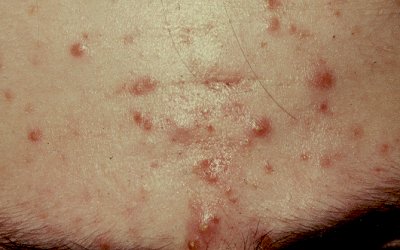
			<summary type="html"><![CDATA[<p>যৌবনের একটি অবাঞ্ছিত সমস্যার নাম হচ্ছে ব্রণ। সুন্দর মুখশ্রীর ওপর ব্রণ যদি দেখা দেয় তাহলে ছেলে বা মেয়েই হোক, কারোরই মনে স্বস্তি নেই।</p><p>কোন বয়সে বেশি হয়ঃ ১৩ থেকে ১৮ বছর বয়সে এটি বেশি হয়। তবে ২০ থেকে ৩০ বছর বয়স পর্যন্ত এটি হতে দেখা যায়। টিনএজারদের মধ্যে শতকরা নব্বই ভাগের ক্ষেত্রেই কম অথবা বেশি পরিমাণে এটি হয়ে থাকে। ২০ বছর বয়সের পর থেকে এটি ধীরে ধীরে কমতে থাকে।<br /><p class="bbcenter"><img class="sigimage" src="http://www.acneguide.ca/images/content/acne_1.jpg" alt="http://www.acneguide.ca/images/content/acne_1.jpg" /></p></p><p>শরীরের কোথায় হয়ঃ সাধারণত মুখে যেমন গাল, নাক, থুতনি ও কপালে হতে দেখা যায়। তবে শরীরের উপরের অংশে ও হাতের ওপরের অংশেও হরহামেশাই হতে দেখা যায়।</p><p>ব্রণ হওয়ার কারণঃ বংশগত প্রভাব একটি অন্যতম গুরুত্বপুর্ণ কারণ। স্বাভাবিকভাবেই লোমের গোড়ায় একটি ব্যাকটেরিয়া থাকে, যার নাম প্রোপাওনি ব্যাকটেরিয়াম একনি। বয়ঃসন্ধিকালে এড্রোজেন হরমোনের প্রভাবে সেবাসিয়াস গ্রন্হি থেকে সেবামের নিঃসরণ বেড়ে যায়। এই সেবাম থেকে ফ্রি ফ্যাটি এসিড তৈরি করে লোমের গোড়ার উপস্হিত ব্যাকটেরিয়া। ফলে লোমের গোড়ায় প্রদাহের সৃষ্টি হয় এই ফ্যাটি এসিডের প্রভাবে। এর পাশাপাশি জমা হয় লোমের গোড়ায় কেরাটিন নামক পদার্থ। ফলে সেবাসিয়াস গ্রন্হিপথ বন্ধ হতে থাকে এই কেরাটিন, লিপিড আর মেলানিন পদার্থ দিয়ে, যা ব্লাক হেড বা ‘হোয়াইট হেড’ হিসেবে দেখা দিয়ে থাকে।</p><p>ব্রণের সঙ্গে খাওয়ার সম্পর্কঃ অনেকের ধারণা তৈলাক্ত খাবার খেলে বুঝি ব্রণ হয়। সত্যিকার অর্থে কথাটি সত্য নয়। কোন প্রকার খাদ্য দ্রব্যের সঙ্গে ব্রণের কোনো সম্পর্ক আছে বলে জানা যায় না।</p><p>ব্রণ ও ক্রিমঃ যেসব ক্রিমে তৈলাক্ত উপাদান থাকে যাদের মুখে বেশি ব্রণ হয় তাদের সেসব ক্রিম ব্যবহার করা উচিত নয়। মনে রাখতে হবে ক্রিম যদি তৈলাক্ত হয় তবে তা ব্রণ রোগীদের ক্ষেত্রে ব্যবহার করা যাবে না।</p><p>চিকিৎসা পদ্ধতিঃ রোগীর ব্রণ আক্রান্তের গুরুত্ব বিবেচনা করে চিকিৎসা পদ্ধতি নির্ধারণ করতে হয়। হতে পারে তা মলম থেকে শুরু করে খাওয়ার জন্য নির্ধারিত অ্যান্টিবায়োটিক অথবা রেটিনয়েড জাতীয় ওষুধ।</p><p>ব্যাকটেরিয়া নাশকঃ অ্যান্টিবায়োটিকের মধ্যে টেট্রাসাইক্লিন ১৮৫১ সাল থেকেই ব্রণ চিকিৎসায় ব্যবহূত হচ্ছে। টেট্রাসাইক্লিন দামে সস্তা, পার্শ্বপ্রতিক্রিয়া কম এবং অত্যন্ত কার্যকরী। এই অ্যান্টিবায়োটিক ব্রণ তৈরি করার জন্য দায়ী ব্যাকটেরিয়াকে দমন করে। তবে সমস্যা হচ্ছে এ ক্ষেত্রে কয়েক মাস ধরে এই অ্যান্টিবায়োটিক খেয়ে যেতে হয়। এর দ্রুত কোনো উন্নতি লক্ষ করা যায় না। সাধারণভাবে এ ওষুধ খাওয়ার ১ থেকে দেড় মাস পর উন্নতি লক্ষ্য করা যায়। আর একটি ওষুধ বা অ্যান্টিবায়োটিক হচ্ছে মিনোসাইক্লিন। মিনোসাইক্লিন টেট্রাসাইক্লিনের চেয়েও অধিক কার্যকর। দেখা গেছে, ৫০০ মিলি গ্রাম টেট্রাসাইক্লিনের চেয়ে ১০০ মিলি গ্রাম মিনোসাইক্লিন বেশি কার্যকর।</p><p>Doxycycline – ব্রণ চিকিৎসায় বহুল ব্যবহৃত ডক্সিসাইক্লিন একটি চমৎকার ওষুধ। এরিথ্রোমাইসিন খেয়ে যদি ব্যাকটেরিয়া প্রতিরোধ করা যায় সে ক্ষেত্রে ডক্সিসাইক্লিন একটি অত্যন্ত কার্যকরী ওষুধ।</p><p>এরিথ্রোমাইসিন বা ক্লিনডামাইসিনঃ গর্ভবর্তী মহিলারা যখন টেট্রাসাইক্লিন খেতে পারে না তখন এরিথ্রোমাইসিন ব্যবহার করা হয়ে থাকে। ক্লিনডামাইসিনও অন্যান্য ওষুধের মতো একটি কার্যকরী ওষুধ।</p><p>হরমোন থেরাপিঃ মহিলাদের ক্ষেত্রে সেবামের নিঃসরণ বেড়ে যায় যদি ওভারি থেকে এন্ডোজেন হরমোন তৈরি হয়। সে ক্ষেত্রে কম ডোজের জন্ম নিয়ন্ত্রণ বড়ি খাওয়া যাবে এবং তাতে থাকতে হবে নন-এন্ডোজেন প্রজেসটিন। তবে এ ধরনের হরমোন চিকিৎসা পদ্ধতি কোনো অবস্হায়ই ডাক্তারের পরামর্শ ছাড়া নেয়া যাবে না।</p><p>Spironolactone- এন্টি এন্ডোজেনিক উপাদান যেমন স্পাইরোনোল্যাকটন সেবাম উৎপাদন কমিয়ে দিতে সক্ষম। ফলে এটি মহিলাদের ব্রণের ক্ষেত্রে একটি কার্যকরী ওষুধ। তবে এটিও কোনো অবস্হায়ই ডাক্তারের পরামর্শ ছাড়া খাওয়া উচিত নয়।</p><p>Isotretionin (Accutane) – আইসোট্রিসনিন আবিষ্কারের ফলে ব্রণ চিকিৎসা ভিটামিন ‘এ’-এর ব্যবহার এখন একটি ঐতিহাসিক সফলতার দাবিদার। যে কোনো ধরনের ব্রণের ক্ষেত্রেই এর ব্যবহারে সফলতা আসে। তবে দাম বেশি হওয়ার কারণে অনেক ক্ষেত্রেই এটি ব্যবহার করা হয় না। মহিলাদের ক্ষেত্রে এটি ব্যবহারে দারুণ সতর্কতার প্রয়োজন। কেননা বাচ্চার ওপর এর পার্শ্ব-প্রতিক্রিয়া দেখা দিতে পারে। তাই ডাক্তারের পরামর্শ ছাড়া এটি একদমই ব্যবহার করা যাবে না।</p><p>অপারেশন পদ্ধতিঃ ব্রণের কালো দাগ, পাকা ব্রণ ও সিষ্ট জাতীয় ব্রণের ক্ষেত্রে এ পদ্ধতি দারুণ কার্যকর। স্কালপেল দুই নম্বর ব্লেডের সাহায্যে এই ছোট অপারেশনটি করতে হয়।</p><p>ব্রণ চিকিৎসায় সর্বাধুনিক ও কার্যকরী ফোটন থেরাপিঃ কৈশোর এবং যৌবনের একটি অনাকাঙ্ক্ষিত সমস্যার নাম ব্রণ। ১৩ থেকে ১৮ বছরে এ সমস্যা বেশি দেখা যায়। তবে ৩০ বছর পর্যন্ত ব্রণ উঠতে পারে। এতকাল এর চিকিৎসায় বিভিন্ন ধরনের এন্টিবায়োটিক ক্রিম, ভিটামিন, হরমোন থেরাপি ইত্যাদির প্রচলন ছিল। সম্প্রতি বিশ্বের ৫টি মহাদেশের বিভিন্ন সেন্টারে হাজার হাজার ব্রণে আক্রান্ত রোগীর ওপর ক্লিনিক্যাল ষ্টাডি করে ফোটন থেরাপি বা আলোর সাহায্যে চিকিৎসা শতভাগ কার্যকরী বলে প্রমাণিত হয়েছে। বিশ্বের সর্বপ্রথম এ বিশেষ মেডিকেল যন্ত্রটি নিরাপদ ও কার্যকর চিকিৎসার জন্য আমেরিকার ফুড অ্যান্ড ড্রাগ অ্যাডমিনিষ্ট্রেশন (এফডিএ) কর্তৃক স্বীকৃতি পেয়েছে। যে কোনো ব্রণ যেমন মুখ খোলা বা বন্ধ ব্লাকহেডস বা কমেডোনস, প্রদাহযুক্ত ব্রণ, পুঁজযুক্ত ব্রণ, এমনকি সিষ্ট আকৃতির ব্রণেও এ থেরাপি কার্যকর।</p><p>কীভাবে ফোটন থেরাপি কাজ করেঃ এটি আলোর দুটি তরঙ্গ দৈর্ঘেø কাজ করে। একটি হচ্ছে ৪১৫ ন্যানোমিটারের নীল বেগুনী আলোতে এবং অপরটি হচ্ছে ৬৬০ বা ৬৩৩ ন্যানোমিটারের লাল আলোতে। প্রথমটি প্রদাহযুক্ত ব্রণে যা প্রোপিওনিব্যাকটেরিয়াম একনি নামক ব্যাকটেরিয়ার সংক্রমণে হয় তা দুর করে।</p><p>কেন এটি সেরা চিকিৎসাঃ প্রচলিত ওষুধ বা ক্রিমের সাহায্যে চিকিৎসার চেয়ে বিভিন্ন ক্লিনিক্যাল ট্রায়ালে এটি ৩ গুণ বেশি কার্যকরী বলে প্রমাণিত হয়েছে। তবে এর সঙ্গে স্যালিসাইলিক এসিড যোগ করেও চিকিৎসা করা যায়। চার সপ্তাহের চিকিৎসায় রোগীভেদে সর্বমোট আট বা বারটি থেরাপি নিতে হয়। ২৭% রোগীর ক্ষেত্রে দেখা যায়, ৪ সপ্তাহ পরেই তারা তাদের কাঙ্ক্ষিত ফলাফল পেতে শুরু করেছে। ৫৫% রোগীর ক্ষেত্রে চিকিৎসা শেষ হওয়ার ৭ সপ্তাহের মধ্যে ব্রণ নির্মুল হয়ে যায়। বাকি ১৬% রোগীর আরোগ্য লাভ করতে ১২ সপ্তাহ সময় লাগতে পারে। এ চিকিৎসায় কোনোও ব্যথা হয় না, রোগীকে হাসপাতালে থাকতে হয় না, কোনো কাটাকাটি বা ত্বক ছেঁড়াছেঁড়ির প্রয়োজন হয় না।</p><p>কখন করা যাবে না<br />(১) রোগীর বিপাকজনিত কোনো সমস্যা থাকলে যা আলোর সংস্পর্শে ত্বকের র‌্যাশ বেড়ে যায়।<br />(২) আলো সংবেদনশীল ত্বকের একজিমা থাকলে।<br />(৩) কিডনির মারাত্মক অসুখ থাকলে।<br />(৪) ত্বকে ক্যান্সার হলে এবং<br />(৫) ইমিউনসিষ্টেমজনিত রোগ এসএলই থাকলে।</p><p>সুত্রঃ <a href="http://sasthabangla.com/index.php?option=com_content&amp;view=article&amp;id=277:acne&amp;catid=74:beauty-tips&amp;Itemid=126" target="_blank">স্বাস্থ্য বাংলা</a></p>]]></summary>
			<author>
				<name><![CDATA[dr.shamim]]></name>
				<uri>http://rmcforum.com/user149.html</uri>
			</author>
			<updated>2011-06-05T18:36:55Z</updated>
			<id>http://rmcforum.com/topic1351new-posts.html</id>
		</entry>
		<entry>
			<title type="html"><![CDATA[Last part of Wardwise Treatment Guidelines for Intern Doctors]]></title>
			<link rel="alternate" href="http://rmcforum.com/topic1260new-posts.html" />
			<summary type="html"><![CDATA[<p>Neurology<br />1. Tension type Headache<br />&nbsp; &nbsp; Management:<br />1.&nbsp; &nbsp; &nbsp; &nbsp; &nbsp; Explanation of symptoms<br />2.&nbsp; &nbsp; &nbsp; &nbsp; &nbsp; Avoid precipitation<br />3.&nbsp; &nbsp; &nbsp; &nbsp; &nbsp; Analgesics-NSAID<br />4.&nbsp; &nbsp; &nbsp; &nbsp; &nbsp; Muscle relaxation<br />5.&nbsp; &nbsp; &nbsp; &nbsp; &nbsp; Amitryptyline<br />6.&nbsp; &nbsp; &nbsp; &nbsp; &nbsp; Phycotherapy.</p><p>2. Migrain<br />&nbsp; &nbsp; &nbsp;Acute attack<br />1.&nbsp; &nbsp; &nbsp; &nbsp; Identification &amp; avoidance of precipitating or exacerbating factors such as OCP, smoking<br />2.&nbsp; &nbsp; &nbsp; &nbsp; Analgesic-NSAID or Paracetamol<br />3.&nbsp; &nbsp; &nbsp; &nbsp; Metochlopramide or domperidon<br />4.&nbsp; &nbsp; &nbsp; &nbsp; Severe attack- Sumatryptan, 5-HT agonists<br />5.&nbsp; &nbsp; &nbsp; &nbsp; Frequent attack&nbsp; are prevented with<br />&nbsp; Propanolol<br />&nbsp; TCA<br />&nbsp; Sodium valproate 300-600mg/day or Topiramate 50 -100 mg/day.<br />3. Status epilepticus<br />&nbsp; &nbsp; &nbsp; Management:&nbsp; &nbsp; &nbsp; &nbsp; &nbsp; &nbsp; &nbsp; <br />&nbsp; &nbsp; &nbsp; &nbsp; &nbsp; &nbsp; &nbsp; &nbsp; &nbsp; &nbsp; Clearing the airway<br />&nbsp; &nbsp; &nbsp; &nbsp; &nbsp; &nbsp; &nbsp; &nbsp; &nbsp; &nbsp; &nbsp;O2 inhalation</p> <br /> <br /><p>&nbsp; &nbsp; &nbsp; &nbsp; &nbsp; &nbsp; &nbsp; &nbsp; &nbsp; &nbsp; Inj. Diazepam 10mg (Sedil) iv or rectally<br />&nbsp; &nbsp; &nbsp; &nbsp; &nbsp; &nbsp; &nbsp; &nbsp; &nbsp; &nbsp; &nbsp;Can be repeated after 15 min.</p> <br /> <br /><p>&nbsp; &nbsp; &nbsp; &nbsp; &nbsp; &nbsp; &nbsp; &nbsp; &nbsp; &nbsp;If seizure continued after 30min. then <br />&nbsp; &nbsp; &nbsp; &nbsp; &nbsp; &nbsp; &nbsp; &nbsp; &nbsp; &nbsp;i.v. Fosphenytoin 15mg/kg at 100mg/min.&nbsp; &nbsp; &nbsp; <br />&nbsp; &nbsp; &nbsp; &nbsp; &nbsp; &nbsp; &nbsp; &nbsp; &nbsp; &nbsp; &nbsp; &nbsp; &nbsp; &nbsp; &nbsp; &nbsp; Or<br />&nbsp; &nbsp; &nbsp; &nbsp; &nbsp; &nbsp; &nbsp; &nbsp; &nbsp; &nbsp; i.v. Phenobarbital 10mg/kg at 100mg/min.</p> <br /> <br /> <br /> <br /><p>&nbsp; &nbsp; &nbsp; &nbsp; &nbsp; &nbsp; &nbsp; &nbsp; &nbsp; &nbsp;If seizure still continued after 30min. then <br />&nbsp; &nbsp; &nbsp; &nbsp; &nbsp; &nbsp; &nbsp; &nbsp; &nbsp; Start treatment for refractory status with intubation with general&nbsp; &nbsp; &nbsp; &nbsp; &nbsp; anaesthesia with Propofol or Thiopental.</p><p>&nbsp; &nbsp;&nbsp; </p> <br /> <br /> <br /><br /><br /><p>Once status controlled start longer term anticonvulsant medication with one of the following-<br />a)&nbsp; &nbsp; &nbsp; Sodium valproate 10mg/kg i.v. over 3-5 min. Then 800-2000mg/day.<br />b)&nbsp; &nbsp; &nbsp; Carbamazepine 400mg by NG tube then 400-1200mg/day.</p> <br /><p>Guideline for choice of Antiepileptic drugs<br />Epilepsy type&nbsp; &nbsp; &nbsp; &nbsp; &nbsp; &nbsp; &nbsp;1st line&nbsp; &nbsp; &nbsp; &nbsp; &nbsp; &nbsp; &nbsp; &nbsp; &nbsp;2nd line&nbsp; &nbsp; &nbsp; &nbsp; &nbsp; &nbsp; 3rd line<br />1. Partial or 2ndary GTCS&nbsp; &nbsp; &nbsp; Carbamazepine&nbsp; &nbsp; &nbsp; &nbsp; &nbsp; Sodium valproate&nbsp; &nbsp; &nbsp; &nbsp; &nbsp;Phenobarbital<br />&nbsp; &nbsp; &nbsp; &nbsp; &nbsp; &nbsp; &nbsp; &nbsp; (200-2000mg/day)&nbsp; &nbsp; &nbsp; &nbsp; &nbsp; &nbsp; &nbsp; &nbsp; &nbsp; &nbsp; &nbsp; &nbsp; &nbsp; &nbsp; &nbsp; &nbsp; &nbsp; &nbsp; &nbsp; &nbsp; &nbsp; &nbsp; &nbsp; &nbsp; Phenytoin<br />&nbsp; &nbsp; &nbsp; &nbsp; &nbsp; &nbsp; &nbsp; &nbsp;2-3 dose/day</p><p> 2. Primary GTCS&nbsp; &nbsp; &nbsp; &nbsp; &nbsp;Sodium valproate&nbsp; &nbsp; &nbsp; &nbsp; Lamotrigine&nbsp; &nbsp; &nbsp; &nbsp; &nbsp; &nbsp; &nbsp; &nbsp; Phenobarbital<br />&nbsp; &nbsp; &nbsp; &nbsp; &nbsp; &nbsp; &nbsp; &nbsp; &nbsp; &nbsp; &nbsp; &nbsp; &nbsp; 400-2500/day&nbsp; &nbsp; &nbsp; &nbsp; &nbsp; &nbsp; &nbsp; &nbsp; &nbsp; &nbsp; &nbsp; &nbsp; &nbsp; &nbsp; &nbsp;60-180mg/day 1-2 dose/day<br />&nbsp; &nbsp; &nbsp; &nbsp; &nbsp; &nbsp; &nbsp; &nbsp; &nbsp; &nbsp; &nbsp; &nbsp; &nbsp; 1-2 dose/day&nbsp; &nbsp; &nbsp; &nbsp; &nbsp; &nbsp; &nbsp; &nbsp; &nbsp; &nbsp; &nbsp; &nbsp; &nbsp; &nbsp; &nbsp; &nbsp; &nbsp; &nbsp; &nbsp; &nbsp; &nbsp; &nbsp; &nbsp; &nbsp; &nbsp; &nbsp; &nbsp;Phenytoin<br />&nbsp; &nbsp; &nbsp; &nbsp; &nbsp; &nbsp; &nbsp; &nbsp; &nbsp; &nbsp; &nbsp; &nbsp; &nbsp; &nbsp; &nbsp; &nbsp; &nbsp; &nbsp; &nbsp; &nbsp; &nbsp; &nbsp; &nbsp; &nbsp; &nbsp; &nbsp; &nbsp; &nbsp; &nbsp; &nbsp; &nbsp; &nbsp; &nbsp; &nbsp; &nbsp; &nbsp; &nbsp; &nbsp; &nbsp; &nbsp; &nbsp; &nbsp; &nbsp; &nbsp; &nbsp; &nbsp; &nbsp; Carbamazepine<br />4. Acute stroke<br />&nbsp; &nbsp; Diagnostic tools<br />•&nbsp; &nbsp; &nbsp; Sudden onset of weakness of one side of the body or loss of consciousness<br />•&nbsp; &nbsp; &nbsp; No H/O of fever<br />•&nbsp; &nbsp; &nbsp; On exam. Hemiplegia and planter extensor in that side.<br />Management:<br />1.&nbsp; &nbsp; &nbsp; NG tube feeding<br />2.&nbsp; &nbsp; &nbsp; O2 inhalation 2-4 l/min<br />3.&nbsp; &nbsp; &nbsp; Infusion Normal saline 1000cc iv @ 10 drops/min<br />4.&nbsp; &nbsp; &nbsp; Syrp. Amoxicillin 2 TSF TDS<br />5.&nbsp; &nbsp; &nbsp; Omeprazole sachet 1 sachet dissolve in ½ glass water then take via NG tube 12 hourly<br />6.&nbsp; &nbsp; &nbsp; Paracetamol suppository (500mg) 1 stick P/R stat. and SOS<br />7.&nbsp; &nbsp; &nbsp; Cold tepid sponging<br />8.&nbsp; &nbsp; &nbsp; Continued catheterization<br />9.&nbsp; &nbsp; &nbsp; Change the posture 2 hourly<br />10.&nbsp; &nbsp;Care of the mouth, eye, bowel<br />11.&nbsp; &nbsp;Treatment of underlying cause like DM, Dyslipidaemia etc.</p><p>•&nbsp; &nbsp; &nbsp; If pt. is known hypertensive and taking drug regularly then contd. the drug.<br />•&nbsp; &nbsp; &nbsp; &nbsp;If pt. is not known hypertensive &amp; BP is high then not give antihypertensive. Antihypertensive should be given in the following condition<br />&nbsp; &nbsp; &nbsp; &nbsp; &nbsp; &nbsp; &nbsp; &nbsp; &nbsp; -In Ischaemic stroke if BP &gt;220/120 mm of Hg<br />&nbsp; &nbsp; &nbsp; &nbsp; &nbsp; &nbsp; &nbsp; &nbsp; &nbsp; -In Haemorrhagic stroke &gt; 180/ 110 mm of Hg<br />•&nbsp; &nbsp; &nbsp; If pt. is Diabetic then start insulin<br />•&nbsp; &nbsp; &nbsp; If pt. is not known diabetic but blood sugar is &gt;11.1 mmol/L then start insulin.</p><p>5. Tetanus<br />Management<br />1.&nbsp; &nbsp; &nbsp; O2 inhalation stat 4-6 L/min<br />2.&nbsp; &nbsp; &nbsp; Nurse in a quite room<br />3.&nbsp; &nbsp; &nbsp; Avoid unnecessary stimuli<br />4.&nbsp; &nbsp; &nbsp; NG tube feeding 200 ml 2 hourly<br />5.&nbsp; &nbsp; &nbsp; Infusion 5% DNS 1000 cc i.v. daily<br />6.&nbsp; &nbsp; &nbsp; Inj. Benzylpenicillin 600mg iv 6 hourly Or inj. Metronidazole if allergic to Penicillin<br />7.&nbsp; &nbsp; &nbsp; Inj. TIG 12 amp. i.m. stat.<br />8.&nbsp; &nbsp; &nbsp; Inj. Diazepam (10mg) 1 amp. i.v. stat &amp; B.D.<br />9.&nbsp; &nbsp; &nbsp; Change the posture 2 hourly</p> <br /><p>6. Meningo-encephalitis<br /> Diagnostic tools<br />1.&nbsp; &nbsp; &nbsp; &nbsp; &nbsp;Fever, Headache<br />2.&nbsp; &nbsp; &nbsp; &nbsp; &nbsp;Alteration of consciousness<br />3.&nbsp; &nbsp; &nbsp; &nbsp; &nbsp;On exam.- Neck rigidity present<br />1.&nbsp; &nbsp; &nbsp; Kernig’s sign present<br />Management:<br />1.&nbsp; &nbsp; &nbsp; &nbsp; &nbsp;NG tube feeding 200 ml 2 hourly in sitting posture &amp; maintain the posture for 10 min.<br />2.&nbsp; &nbsp; &nbsp; &nbsp; &nbsp;Inj. Ceftriaxone (2gm) 1 vial i.v. stat &amp; BD<br />3.&nbsp; &nbsp; &nbsp; &nbsp; &nbsp;Inj. Dexamethasone 2 amp. i.v. 20 min before giving antibiotics stat &amp; 6 hourly for 3 days<br />4.&nbsp; &nbsp; &nbsp; &nbsp; &nbsp;Omeprazole sachet 1 packet dissolve in ½ glass water through NG tube BD<br />5.&nbsp; &nbsp; &nbsp; &nbsp; &nbsp;Continued catheterization<br />6.&nbsp; &nbsp; &nbsp; &nbsp; &nbsp;Change the posture 2 hourly<br />7.&nbsp; &nbsp; &nbsp; &nbsp; &nbsp;Care of mouth, eye &amp; bowel<br />8.&nbsp; &nbsp; &nbsp; &nbsp; &nbsp;If short H/O of fever then add Tab. Acyclovir (400mg) 2+2+2+2+2</p><p>Pyogenic Meningitis Choice of antibiotic<br />1.&nbsp; &nbsp; &nbsp; &nbsp; &nbsp;Pt. present with typical meningococcal rash- Inj. Benzylpenicillin 2.4gm iv 6 hourly<br />2.&nbsp; &nbsp; &nbsp; &nbsp; &nbsp;Adult aged 18-50 years without typical meningoccal rash – Cefotaxime 2 gm iv 6 hourly or Ceftriaxone 2 gm iv 12 hourly.<br />3.&nbsp; &nbsp; &nbsp; &nbsp; &nbsp;Pt. in whom penicillin resistant pneumococcal infection is suspected- as for (2) but add Vancomycin 1 gm iv 12 hourly or Rifampicin 600mg iv 12 hourly<br />4.&nbsp; &nbsp; &nbsp; &nbsp; &nbsp;Adult aged over 50 years and those in whom Listeria monocytogen infection is suspected (Brainstem sign, immunosuppression, diabetic, alcoholic)- as for (2) but add Ampicillin 2 gm iv 4 hourly or Co trimoxazole 50mg /kg iv in 2 divided dose. </p><p>7. Encephalitis&nbsp; &nbsp; &nbsp; &nbsp; &nbsp; &nbsp; &nbsp; &nbsp; &nbsp; &nbsp;<br />&nbsp; &nbsp; &nbsp;Diagnostic tools<br />4.&nbsp; &nbsp; &nbsp; &nbsp; &nbsp;Fever, Headache<br />5.&nbsp; &nbsp; &nbsp; &nbsp; &nbsp;Alteration of consciousness<br />6.&nbsp; &nbsp; &nbsp; &nbsp; &nbsp;On exam. - No Neck rigidity <br />&nbsp; &nbsp; &nbsp; &nbsp; &nbsp; &nbsp; &nbsp; &nbsp; &nbsp; &nbsp; &nbsp;-No Kernig’s sign.<br />&nbsp; &nbsp;Management: <br />1.&nbsp; &nbsp; &nbsp; Same as Mningo-encephalitis <br />2.&nbsp; &nbsp; &nbsp; If convulsion occurs then add Tab. Carbamazepine (200mg) 1+1+1.</p><p>8. Trigeminal neuralgia<br />&nbsp; Management:<br />a.&nbsp; &nbsp; &nbsp; &nbsp;Carbamazepine up to 1200 mg daily should be started at low dose. Who can not tolerate it add Gabapentin or Pregabaline.<br />b.&nbsp; &nbsp; &nbsp; Inj. of Alcohol or Phenol in to a peripheral branch of the nerve.<br />9. Restless leg syndrome<br />&nbsp; Management:<br />1.&nbsp; &nbsp; &nbsp; &nbsp; &nbsp;Clonazepam (0.5-2mg) at night<br />2.&nbsp; &nbsp; &nbsp; &nbsp; &nbsp;Levodopa 100-200 mg or dopamine agonist at night.</p> <br /><p>10. Subarachonoid Haemorrhage <br />&nbsp; Management:<br />1.&nbsp; &nbsp; &nbsp; &nbsp; &nbsp;Nimodipine 30-60 mg iv for 5-14 days followed by 360 mg for further 7 days.<br />2.&nbsp; &nbsp; &nbsp; &nbsp; &nbsp;Definitive treatment<br />a.&nbsp; &nbsp; &nbsp; &nbsp;Insertion of platinum coil in to an aneurysm via endovascular procedure<br />&nbsp; &nbsp; &nbsp; &nbsp; &nbsp; &nbsp; &nbsp; &nbsp; Or<br />b.&nbsp; &nbsp; &nbsp; Surgical clipping of the aneurysm neck.<br />&nbsp; &nbsp; &nbsp; &nbsp; &nbsp; &nbsp; &nbsp; &nbsp; &nbsp; AV malformation –surgical removal, ligation, injection of material to occlude the fistula or draining veins.</p> <br /><p>11. Transverse Myelitis <br />&nbsp; Management:<br />1.&nbsp; &nbsp; &nbsp; &nbsp; &nbsp; Diet – normal<br />2.&nbsp; &nbsp; &nbsp; &nbsp; &nbsp; Inj. Methylprednisolone 1 gm daily for 3 days<br />3.&nbsp; &nbsp; &nbsp; &nbsp; &nbsp; Omeprazole<br />4.&nbsp; &nbsp; &nbsp; &nbsp; &nbsp; Continued catheterization</p><p>12. Dementia/ Alzheimer;s disease<br />&nbsp; Management:<br />1.&nbsp; &nbsp; &nbsp; &nbsp; &nbsp;Donepezil 10 mg daily<br />2.&nbsp; &nbsp; &nbsp; &nbsp; &nbsp;Antidepressant in depressive pt.</p><p>13. Wernick- Korsakoff disease<br />&nbsp; &nbsp; &nbsp;Diagnostic tools<br />1.&nbsp; &nbsp; &nbsp; &nbsp; H/O alcoholism, malabsorption, malnutrition, Hyperemesis gravidarum<br />2.&nbsp; &nbsp; &nbsp; &nbsp; Acute confusional state (W.encephalopathy)<br />3.&nbsp; &nbsp; &nbsp; &nbsp; Brain stem sign e.g. ataxia, nystigmus &amp; extraocular muscle weakness particularly lateral rectus.<br />&nbsp; &nbsp;Management:<br />1.&nbsp; &nbsp; &nbsp; &nbsp;Intravenous Thiamine 2 vial 8 hourly for 48 hours, then oral Thiamine 100 mg 8 hourly<br />2.&nbsp; &nbsp; &nbsp; &nbsp;Treatment of the underlying cause.</p><p>14. Parkinsonism<br />&nbsp; Management:<br />1.&nbsp; &nbsp; &nbsp; &nbsp; &nbsp;Levodopa –carvidopa, 50 mg 8 or 12 hourly increased up to 1000 mg/day. This drug improve bradykinesia &amp; rigidity<br />2.&nbsp; &nbsp; &nbsp; &nbsp; &nbsp;Anticholinergic-improve tremor &amp; rigidity<br />3.&nbsp; &nbsp; &nbsp; &nbsp; &nbsp;Trihexyphenidyl (benzhexol 1-4 mg 8 hourly)<br />4.&nbsp; &nbsp; &nbsp; &nbsp; &nbsp;Orphenadrine 50 -100 mg 8 hourly<br />3.&nbsp; &nbsp; &nbsp; &nbsp; &nbsp;Dopamine receptor agonist<br />5.&nbsp; &nbsp; &nbsp; &nbsp; &nbsp;Bromocryptine 1 mg initially then 2.5 mg 8 hourly up to 30 mg/day<br />6.&nbsp; &nbsp; &nbsp; &nbsp; &nbsp;Pergolide 50 µgm (starting dose) increased to 250 µgm 8 hourly up to 3000 µgm/day.<br />4.&nbsp; &nbsp; &nbsp; &nbsp; &nbsp;Amantadine<br />&nbsp; &nbsp; &nbsp; &nbsp; &nbsp; &nbsp; &nbsp; -Use in early of the disease when more potent treatment is not required<br />&nbsp; &nbsp; &nbsp; &nbsp; &nbsp; &nbsp; &nbsp; -To control dyskinesia produced by dopaminergic treatment.<br />Dose 100 mg 8 or 12 hourly.<br />5.&nbsp; &nbsp; &nbsp; &nbsp; &nbsp;COMT inhibitors<br />&nbsp; &nbsp; &nbsp; &nbsp; &nbsp;Entacapone 200 mg with each dose of levodopa. This prolonged the effect of levodopa &amp; allows levodopa dose to be reduced &amp; given less frequently.<br />6.&nbsp; &nbsp; &nbsp; &nbsp; &nbsp;Surgery<br />&nbsp; &nbsp; &nbsp; &nbsp; Stereotactic thalamotomy to treat tremor. Now a days need relatively infrequently<br />7.&nbsp; &nbsp; &nbsp; &nbsp; &nbsp;Physiotherapy &amp; speech therapy.</p><p>15. Huntington’s disease<br />&nbsp; &nbsp; &nbsp; &nbsp;Symptomatic management<br />7.&nbsp; &nbsp; &nbsp; &nbsp; &nbsp;Tetrabenazine or dopamine antagonists such as sulpride<br />8.&nbsp; &nbsp; &nbsp; &nbsp; &nbsp;Antidepressants for depressive pt.<br />9.&nbsp; &nbsp; &nbsp; &nbsp; &nbsp;Psycological support<br />10.&nbsp; &nbsp; &nbsp;Genetic counselling for the relatives<br />16. Rabies<br />&nbsp; Management:<br />&nbsp; &nbsp; &nbsp; &nbsp;Established disease<br />1.&nbsp; &nbsp; &nbsp; &nbsp; &nbsp; ICU support<br />2.&nbsp; &nbsp; &nbsp; &nbsp; &nbsp; Sedation with Diazepam 10 mg 4-6 hourly<br />3.&nbsp; &nbsp; &nbsp; &nbsp; &nbsp; Chlorpromazine 50-100 mg if necessary<br />4.&nbsp; &nbsp; &nbsp; &nbsp; &nbsp; Nutrition &amp; fluid by iv or gastrostomy.<br />&nbsp; &nbsp; &nbsp; &nbsp;Prevention<br />&nbsp; &nbsp; &nbsp; &nbsp; &nbsp; &nbsp; &nbsp;Pre-exposure prophylaxis – protection is afforded by 2 intradermal injection of 0.1 ml human diploid cell vaccine or 2 intramuscular inj. Of 1 ml, given 4 weeks apart, followed by yearly booster. <br />&nbsp; &nbsp; &nbsp; &nbsp; &nbsp; &nbsp; &nbsp;Post exposer vaccination before development of sign symptom. For maximum protection hyperimmune serum and vaccine are required.<br />Safest antirabies antiserum is human rabies immune globulin, the dose is 20 U/kg, half should be infiltrated around the bite and half im at adifferent site from vaccine.<br />Safest vaccine is human diploid cell vaccine 1 ml is given&nbsp; intramuscularly on days 0, 3, 7,14, 30 and 90. </p><p>17. Cerebral abscess<br /> Treatment:<br />1.&nbsp; &nbsp; &nbsp; &nbsp; &nbsp;Diet – normal<br />2.&nbsp; &nbsp; &nbsp; &nbsp; &nbsp;Antibiotic<br />3.&nbsp; &nbsp; &nbsp; &nbsp; &nbsp;Anticonvulsant- Carbamazepine SR 200 mg B.D.<br />4.&nbsp; &nbsp; &nbsp; &nbsp; &nbsp;Paracetamol if fever<br />5.&nbsp; &nbsp; &nbsp; &nbsp; &nbsp;Surgery<br />&nbsp; &nbsp; &nbsp; &nbsp;Burr-hole aspiration or excision-where presence of a capsule may lead to a persistent focus of infection. </p><p>Antibiotic choice is guided by following condition<br />&nbsp; &nbsp; &nbsp; &nbsp; Frontal lobe<br />&nbsp; &nbsp; &nbsp; &nbsp; &nbsp; &nbsp; &nbsp; &nbsp; &nbsp; &nbsp; &nbsp;Cefuroxime 1.5 gm iv 8 hourly<br />&nbsp; &nbsp; &nbsp; &nbsp; &nbsp; &nbsp; &nbsp; &nbsp; &nbsp; &nbsp; &nbsp; Plus <br />Metronidazole 500 mg 8 hourly.<br />&nbsp; &nbsp; &nbsp; &nbsp;Temporal lobe &amp; Cerebellum<br />&nbsp; &nbsp; &nbsp; &nbsp; &nbsp; &nbsp; &nbsp; &nbsp; &nbsp; &nbsp; &nbsp; &nbsp; -Ampicillin 2-3 gm iv 8 hourly <br />&nbsp; &nbsp; &nbsp; &nbsp; &nbsp; &nbsp; &nbsp; &nbsp; &nbsp; &nbsp; &nbsp; &nbsp; &nbsp; &nbsp; &nbsp; &nbsp; &nbsp; &nbsp;Plus<br />&nbsp; &nbsp; &nbsp; &nbsp; &nbsp; &nbsp; &nbsp; &nbsp; &nbsp; &nbsp; &nbsp; &nbsp;-Metronidazole 500 mg 8 hourly <br />&nbsp; &nbsp; &nbsp; &nbsp; &nbsp; &nbsp; &nbsp; &nbsp; &nbsp; &nbsp; &nbsp; &nbsp; &nbsp; &nbsp; &nbsp; &nbsp; &nbsp; Plus <br />Either Ceftazidime 2 gm iv 8 hourly or Gentamycin 5 mg/ kg iv&nbsp; &nbsp;daily.<br />&nbsp; &nbsp; &nbsp; &nbsp;Any site<br />&nbsp; &nbsp; &nbsp; &nbsp; &nbsp; &nbsp; &nbsp; &nbsp; &nbsp; &nbsp;H/O penetrating injury<br />&nbsp; &nbsp; &nbsp; &nbsp; &nbsp; &nbsp; &nbsp; &nbsp; &nbsp; &nbsp; -Flucloxacillin 2-3 gm iv 6 hourly<br />&nbsp; &nbsp; &nbsp; &nbsp; &nbsp; &nbsp; &nbsp; &nbsp; &nbsp; &nbsp; &nbsp; &nbsp; &nbsp; &nbsp; &nbsp; &nbsp; &nbsp; &nbsp; &nbsp;Or<br />&nbsp; &nbsp; &nbsp; &nbsp; &nbsp; &nbsp; &nbsp; &nbsp; &nbsp; &nbsp;- Cefuroxime 1.5 gm iv 8 hourly<br />&nbsp; &nbsp; &nbsp; Multiple abscesses<br />&nbsp; &nbsp; &nbsp; &nbsp; &nbsp; &nbsp; &nbsp; &nbsp; &nbsp;-Benzylpenicillin 1.8 – 2.8 gm iv 6 hourly if endocardits or cyanotic heart disease.<br />&nbsp; &nbsp; &nbsp; &nbsp; &nbsp; &nbsp; &nbsp; &nbsp; &nbsp; - Otherwise Cefuroxime 1.5 gm 8 hourly <br />&nbsp; &nbsp; &nbsp; &nbsp; &nbsp; &nbsp; &nbsp; &nbsp; &nbsp; &nbsp; &nbsp; &nbsp; &nbsp; &nbsp; &nbsp; &nbsp; &nbsp; &nbsp; &nbsp; &nbsp; &nbsp;Plus<br />&nbsp; &nbsp; &nbsp; &nbsp; &nbsp; &nbsp; &nbsp; &nbsp; &nbsp; Meteronidazole 500 mg 8 hourly.</p> <br /><p>18. Idiopathic intracranial hypertension<br />&nbsp; Management:<br />1.&nbsp; &nbsp; &nbsp; &nbsp; Weigh reducing diet<br />2.&nbsp; &nbsp; &nbsp; &nbsp; Avoid any precipitating condition or medication<br />3.&nbsp; &nbsp; &nbsp; &nbsp; Carbonic anhydrase inhibitor-Acetazolamide<br />4.&nbsp; &nbsp; &nbsp; &nbsp; Repeated LP<br />5.&nbsp; &nbsp; &nbsp; &nbsp; Optic nerve fenestration or lumbo-peritoneal shunt if<br />&nbsp; &nbsp; &nbsp; &nbsp; &nbsp; &nbsp; &nbsp; -Pt. failing to respond<br />&nbsp; &nbsp; &nbsp; &nbsp; &nbsp; &nbsp; &nbsp; -Chronic papilloedema threatens vision.</p><p>19. Lumber disc herniation<br />&nbsp; Management:<br />1.&nbsp; &nbsp; &nbsp; &nbsp;Back strengthening exercise<br />2.&nbsp; &nbsp; &nbsp; &nbsp;Early mobilization<br />3.&nbsp; &nbsp; &nbsp; &nbsp;Analgesic<br />4.&nbsp; &nbsp; &nbsp; &nbsp;Inj. Of local anaesthetic agent or corticosteroid, if symptoms due to ligamentus injury or joint dysfunction<br />5.&nbsp; &nbsp; &nbsp; &nbsp;Surgery<br />&nbsp; &nbsp; &nbsp; &nbsp; &nbsp; -No response to conservative treatment<br />&nbsp; &nbsp; &nbsp; &nbsp; &nbsp; -progressive neurological deficits develops<br />&nbsp; &nbsp; &nbsp; &nbsp; &nbsp; -Central disc herniation with bilateral symptoms &amp; signs &amp; distrubnance of sphincter function require urgent surgical decompression.</p><p>20. Fascial nerve palsy<br />&nbsp; Management:<br />1.&nbsp; &nbsp; &nbsp; &nbsp; Artificial tear &amp; ointment<br />2.&nbsp; &nbsp; &nbsp; &nbsp; Eye should be tapped shut overnight<br />3.&nbsp; &nbsp; &nbsp; &nbsp; Prednisolone 40-60 mg daily for 7 days (should be started with in 72 hours).</p><p> 21. Guillain-Barre Syndrome<br />&nbsp; Management:<br />1.&nbsp; &nbsp; &nbsp; &nbsp;Regular monitoring of the pt. with respiratory function, VC &amp; ABG<br />2.&nbsp; &nbsp; &nbsp; &nbsp;Artificial ventilation if VC &lt; 1 L<br />3.&nbsp; &nbsp; &nbsp; &nbsp;Protection of the airway<br />4.&nbsp; &nbsp; &nbsp; &nbsp;Prevention of pressure sore<br />5.&nbsp; &nbsp; &nbsp; &nbsp;Plasma exchange or IVIg (should be started with in 14 days).</p><p>22. Myasthenia Gravis<br />&nbsp; Management:<br />1.&nbsp; &nbsp; &nbsp; &nbsp;Pyridostigmine 30-120 mg 6 hourly<br />2.&nbsp; &nbsp; &nbsp; &nbsp;Propanthelin 15 mg to control diarrhea &amp; colic<br />3.&nbsp; &nbsp; &nbsp; &nbsp;Immunological treatment of M. Gravis are<br />11.&nbsp; &nbsp; &nbsp;Thymectomy<br />12.&nbsp; &nbsp; &nbsp;Plasma exchange<br />13.&nbsp; &nbsp; &nbsp;IVIg<br />14.&nbsp; &nbsp; &nbsp;Corticosteroid (must be started in hospital)<br />15.&nbsp; &nbsp; &nbsp;Use of other immunesuppressive agent e.g. Azathioprine 2.5 mg/ kg daily.</p><br /><br /><br /><br /><br /><br /><br /><br /><br /><br /><br /><br /><br /><br /><p>Hepatobilliary &amp; Pancreatic diseases</p><p>1. Liver abscess<br />Diagnostic tool<br />1.&nbsp; &nbsp; Fever high grade, comes with chills &amp; rigor<br />2.&nbsp; &nbsp; Upper abdominal pain<br />3.&nbsp; &nbsp; Liver enlarged tender.<br />Organism causing liver abscess<br />1.&nbsp; &nbsp; &nbsp; E. histolytica<br />2.&nbsp; &nbsp; &nbsp; E. coli<br />3.&nbsp; &nbsp; &nbsp; Pseudomonas<br />4.&nbsp; &nbsp; &nbsp; Streptococus<br />5.&nbsp; &nbsp; &nbsp; Staphylococcus etc.<br />Management (mixed or undifferentiated liver abscess)<br />1.&nbsp; &nbsp; Diet- normal<br />2.&nbsp; &nbsp; Antibiotics Before C/S – Ampicillin, Gentamycin &amp; Metronidazole<br />3.&nbsp; &nbsp; If severe pain then –Inj. Tramadol HCl 1 amp. i.m. stat &amp; SOS<br />4.&nbsp; &nbsp; If fever tepid sponging<br />7. The underlying source (e.g. biliary disease, dental infection) should be identified and treated.<br />&nbsp; Antibiotics are administered for 2–3 weeks, and sometimes up to 6 weeks.<br />&nbsp; Fungal abscesses are associated with mortality rates of up to 50% and are treated with intravenous amphotericin B (total dose of 2–9 g) and drainage.<br />Indication of drainage of liver abscess<br />&nbsp; <br />1.&nbsp; &nbsp; If the abscess is at least 5 cm in diameter<br />2.&nbsp; &nbsp; &nbsp; If the response to antibiotic therapy is not rapid<br />3.&nbsp; &nbsp; &nbsp; Fungal abscess<br />4.&nbsp; &nbsp; &nbsp; Other suggested indications for abscess drainage are <br />&nbsp; &nbsp; &nbsp; &nbsp; &nbsp; &nbsp; &nbsp; -Age of at least 55 years<br />&nbsp; &nbsp; &nbsp; &nbsp; &nbsp; &nbsp; &nbsp;-Symptom duration of at least 7 days and<br />&nbsp; &nbsp; &nbsp; &nbsp; &nbsp; &nbsp; - Involvement of both lobes of the liver.&nbsp; <br />&nbsp; &nbsp; &nbsp; &nbsp; &nbsp; &nbsp; &nbsp; &nbsp; &nbsp; &nbsp; &nbsp; &nbsp; &nbsp; &nbsp; &nbsp; &nbsp; &nbsp; &nbsp; &nbsp; &nbsp; &nbsp; &nbsp; &nbsp; &nbsp; &nbsp; (Ref. CMDT 2010)<br />2. Acute hepatitis&nbsp; &nbsp; &nbsp; &nbsp; &nbsp; &nbsp; &nbsp; &nbsp; &nbsp; &nbsp; &nbsp; &nbsp; &nbsp;<br />Diagnostic tool<br />1.&nbsp; &nbsp; Yellow colouration of eye &amp; urine<br />2.&nbsp; &nbsp; Fever, anorexia, nausea, vomiting, joint pain<br />3.&nbsp; &nbsp; On exam. –Jaundice, tender Hepatomegally.</p><p>Management<br />1.&nbsp; &nbsp; Complete bed rest<br />2.&nbsp; &nbsp; Diet- normal<br />3.&nbsp; &nbsp; Infusion 10% DA 1000 cc i/v @ 20 drops/ min stat &amp; daily (If nausea and vomiting are pronounced or if oral intake is substantially decreased)<br />4.&nbsp; &nbsp; Tab. Ursocol (300mg) 1+0+1&nbsp; &nbsp;( if feature of cholestasis e.g. Itching, staterrhoea)<br />5.&nbsp; &nbsp; No Paracetamol/ NSAIDs/ Sedatives, antiviral, IM injection<br />6.&nbsp; &nbsp; Monitor for liver failure</p><p>Follow up:<br />1.&nbsp; &nbsp; Pulse, Blood pressure<br />2.&nbsp; &nbsp; Orientation, Sleep status<br />3.&nbsp; &nbsp; Bowel movement<br />4.&nbsp; &nbsp; Urine out put<br />5.&nbsp; &nbsp; Flapping tremor<br />6.&nbsp; &nbsp; Appearance of new sign, symptoms e.g. itching, staterrhoea etc.</p><p>Indication of Hospitalization in a Hepatitis pt.<br />a)&nbsp; &nbsp; &nbsp; Pronounced anorexia, vomiting requiring parental nutrition<br />b)&nbsp; &nbsp; &nbsp; S. Bilirubin &gt;15 mg/dl<br />c)&nbsp; &nbsp; &nbsp; Prolonged prothrombin time<br />d)&nbsp; &nbsp; &nbsp;Co-morbidities- like DM, IHD<br />Criteria of hospital discharge-<br />a)&nbsp; &nbsp; &nbsp; Substantial symptomatic improvement<br />b)&nbsp; &nbsp; &nbsp; A significant downward trend in the serum aminotransferase and bilirubin values and <br />c)&nbsp; &nbsp; &nbsp; A return to normal of the PT<br />d)&nbsp; &nbsp; &nbsp;Mild aminotransferase elevations should not be considered contraindications to the gradual resumption of normal activity.<br />&nbsp; &nbsp; &nbsp;( Ref: Harrison’s principle of Internal Medicine + CMDT 2010)</p><p>3. Acute liver failure<br />Hyperacute liver failure- if jaundice to encephalopathy time &lt; 7 days<br />Acute liver failure- if jaundice to encephalopathy time 7-28 days<br />Subacute liver failure- if jaundice to encephalopathy time 29 days-12 weeks.</p><p>Diagnostic tools<br />•&nbsp; &nbsp; &nbsp; Yellow colouration of eye &amp; urine<br />•&nbsp; &nbsp; &nbsp; Alteration of consciousness<br />•&nbsp; &nbsp; &nbsp; On exam.-Jaundice present<br />&nbsp; &nbsp; &nbsp; &nbsp; &nbsp; &nbsp; &nbsp; &nbsp; &nbsp; &nbsp; &nbsp;- Pt. may be drowsy, disoriented or unconscious<br />&nbsp; &nbsp; &nbsp; &nbsp; &nbsp; &nbsp; &nbsp; &nbsp; -Flapping tremor may be present<br />&nbsp; &nbsp; &nbsp; &nbsp; &nbsp; &nbsp; &nbsp; &nbsp; -Planter bilateral extensor<br />Conservative Management (should be in ICU)<br />1.&nbsp; &nbsp; &nbsp; NG tube feeding<br />2.&nbsp; &nbsp; &nbsp; Infusion 10% DA 1000 cc iv @ 10 drops/ min stat. &amp; daily<br />3.&nbsp; &nbsp; &nbsp; Inj. Ceftriaxone(1gm) 1 vial iv stat. &amp; daily<br />4.&nbsp; &nbsp; &nbsp; Omeprazole sachet 1 sachet dissolve in ½ glass water then take via NG tube 12 hourly<br />5.&nbsp; &nbsp; &nbsp; Syrp. Lactulose 2 TSF TDS (if constipation present)<br />6.&nbsp; &nbsp; &nbsp; Inj. Vit. K (10mg) 1 amp. Iv stat. &amp; daily for 3 days<br />7.&nbsp; &nbsp; &nbsp; Syrp. UDCA 2TSF TDS<br />8.&nbsp; &nbsp; &nbsp; Continued catheterization<br />9.&nbsp; &nbsp; &nbsp; Change the posture 2 hourly<br />10.&nbsp; Monitor vital signs<br />Definitive treatment is liver transplantation &amp;<br />N-acetylcystein in paracetamol induced liver failure.<br />Follow up:<br />-&nbsp; &nbsp; &nbsp; &nbsp; &nbsp; Conscious level by GCS<br />-&nbsp; &nbsp; &nbsp; &nbsp; &nbsp; Bowel movement<br />-&nbsp; &nbsp; &nbsp; &nbsp; &nbsp; Flapping tremor<br />-&nbsp; &nbsp; &nbsp; &nbsp; &nbsp; Pulse, BP, urine out put.<br />N: B: Target of bowel movement is 2 times daily, if not achieved then increased dose of lactulose from 2TSF to 6 TSF daily. If still target not achieved then give enema simplex.<br />4. Chronic liver disease <br />&nbsp; &nbsp; Diagnostic tools:<br />&nbsp; &nbsp; &nbsp; &nbsp; &nbsp; &nbsp; &nbsp; &nbsp;CLD pt. usually present in the ward with complications like huge&nbsp; &nbsp; &nbsp;ascites, haematemesis &amp; melaena, encephalopathy etc. other mode of presentations are-<br />1.&nbsp; &nbsp; &nbsp; &nbsp; Pt. present with swelling of abdomen<br />2.&nbsp; &nbsp; &nbsp; &nbsp; H/O of jaundice previously<br />3.&nbsp; &nbsp; &nbsp; &nbsp; On exam. – Ascitis&amp; splenomegally<br />4.&nbsp; &nbsp; &nbsp; &nbsp; Investigation<br />1.&nbsp; &nbsp; &nbsp; &nbsp; &nbsp;Transudative ascitis <br />2.&nbsp; &nbsp; &nbsp; &nbsp; &nbsp;USG feature suggestive of CLD &amp; splenomegally<br />3.&nbsp; &nbsp; &nbsp; &nbsp; &nbsp;Endoscopy of upper GIT may reveal esophageal varices.&nbsp; &nbsp; &nbsp; &nbsp;</p><p>Management:<br />1.&nbsp; &nbsp; General Measures<br />&nbsp; &nbsp; &nbsp; &nbsp; &nbsp; &nbsp; &nbsp; &nbsp; &nbsp; &nbsp; &nbsp; &nbsp; &nbsp; &nbsp; &nbsp; &nbsp; &nbsp; &nbsp; &nbsp; &nbsp; &nbsp; &nbsp; &nbsp; &nbsp; &nbsp; &nbsp; &nbsp; &nbsp; &nbsp; &nbsp; &nbsp; i.&nbsp; &nbsp; &nbsp; Abstinence from alcohol. (If alcoholic).<br />&nbsp; &nbsp; &nbsp; &nbsp; &nbsp; &nbsp; &nbsp; &nbsp; &nbsp; &nbsp; &nbsp; &nbsp; &nbsp; &nbsp; &nbsp; &nbsp; &nbsp; &nbsp; &nbsp; &nbsp; &nbsp; &nbsp; &nbsp; &nbsp; &nbsp; &nbsp; &nbsp; &nbsp; &nbsp; &nbsp; ii.&nbsp; &nbsp; &nbsp; Fluild &amp; salt restricted<br />&nbsp; &nbsp; &nbsp; &nbsp; &nbsp; &nbsp; &nbsp; &nbsp; &nbsp; &nbsp; &nbsp; &nbsp; &nbsp; &nbsp; &nbsp; &nbsp; &nbsp; &nbsp; &nbsp; &nbsp; &nbsp; &nbsp; &nbsp; &nbsp; &nbsp; &nbsp; &nbsp; &nbsp; &nbsp; iii.&nbsp; &nbsp; &nbsp; Vitamin supplementation is desirable. <br />&nbsp; &nbsp; &nbsp; &nbsp; &nbsp; &nbsp; &nbsp; &nbsp; &nbsp; &nbsp; &nbsp; &nbsp; &nbsp; &nbsp; &nbsp; &nbsp; &nbsp; &nbsp; &nbsp; &nbsp; &nbsp; &nbsp; &nbsp; &nbsp; &nbsp; &nbsp; &nbsp; &nbsp; &nbsp; iv.&nbsp; &nbsp; &nbsp; Patients with cirrhosis should receive the HAV, HBV, and pneumococcal vaccines and a yearly influenza vaccine. <br />&nbsp; &nbsp; &nbsp; &nbsp; &nbsp; &nbsp; &nbsp; &nbsp; &nbsp; &nbsp; &nbsp; &nbsp; &nbsp; &nbsp; &nbsp; &nbsp; &nbsp; &nbsp; &nbsp; &nbsp; &nbsp; &nbsp; &nbsp; &nbsp; &nbsp; &nbsp; &nbsp; &nbsp; &nbsp; &nbsp; v.&nbsp; &nbsp; &nbsp; Complete bed rest<br />2.&nbsp; &nbsp; Tab. Spironolactone ( 25 mg)<br />2+2+0<br />3.&nbsp; &nbsp; Tab. Frusemide (40 mg)<br />1+ 0+0<br />4.&nbsp; &nbsp; Tab. Propanolol (20mg) {If feature of portal HTN}<br />1+0+1<br />5.&nbsp; &nbsp; If cause of CLD is viral then add Antiviral<br />6.&nbsp; &nbsp; If there is constipation then add <br />&nbsp; &nbsp; &nbsp; &nbsp; &nbsp; &nbsp; &nbsp; &nbsp; &nbsp; &nbsp; &nbsp; &nbsp; &nbsp; Syrp. Lactulose 2 TSF TDS<br />7.&nbsp; &nbsp; Regular follow up the pt. with pulse, BP, flapping tremor, weight, abdominal girth.<br />N.B&nbsp; &nbsp; &nbsp; In patients who cannot tolerate spironolactone because of side effects, such as painful gynecomastia, Amiloride (another potassium-sparing diuretic) may be used in a dose of 5–10 mg orally daily.<br />Target of bowel movement is 2 times daily. Lactulose can be used up to 6 TSF 8 hourly.<br />The goal of weight loss in patient with ascitis without associated peripheral edema should be no more than 1–1.5 lb/d (0.5–0.7 kg/d).</p><p>Large-volume paracentesis <br />Indication<br />a)&nbsp; &nbsp; &nbsp; In patients with massive ascites and respiratory compromise,<br />b)&nbsp; &nbsp; &nbsp; ascites refractory to diuretics, or<br />c)&nbsp; &nbsp; &nbsp; &nbsp;intolerable diuretic side effects<br />N.B<br />Large-volume paracentesis (4–6L) is effective by giving intravenous colloid such as human albumin (6-8 gm per liter of ascities removed) or another plasma expander.</p><p>Target of weight loss is average 1 kg /day. Diuretic should be started with 100 mg Spironolactone then double the dose (up to 400 mg/ day) after 48 hours. If still no desirable effect then add Frusemide 40 mg daily, maximum 160 mg/ day.</p><p>5. Haematemesis &amp; Melaena<br />&nbsp; &nbsp; &nbsp; Diagnostic tool<br />1.&nbsp; &nbsp; &nbsp; H/O vomited out of blood and passes of black tarry stool.<br />2.&nbsp; &nbsp; &nbsp; There may be H/O of taking NSAIDs , PUD, CLD<br />3.&nbsp; &nbsp; &nbsp; On exam. - Pulse – Tachycardia, BP- may be hypotensive, epigastric&nbsp; tenderness/mass, feature of CLD – Splenomegally, Ascitis may be present.<br />&nbsp; &nbsp; &nbsp;<br />Management <br />1.&nbsp; &nbsp; &nbsp; NPO TFO<br />2.&nbsp; &nbsp; &nbsp; Infusion Normal saline 1000 cc + 5% DNS 1000 cc i/v @ 20 drops/ min stat and daily<br />3.&nbsp; &nbsp; &nbsp; Inj. Pantoprazole (40mg) 2 vial i/v stat slowly then 5% DA 500 cc + Inj. Pantoprazole&nbsp; (40mg) 3 vial i/v @ 8 drops /min .<br />&nbsp; &nbsp; &nbsp; &nbsp; &nbsp; &nbsp; &nbsp; &nbsp; &nbsp; &nbsp;Then<br /> Infusion 5% DA 500 cc + Inj. Pantoprazole&nbsp; (40mg)&nbsp; &nbsp;2 vials) i/v @ 8 drops /min daily.<br />4.&nbsp; &nbsp; &nbsp; Blood transfusion- indicated<br />&nbsp; &nbsp; &nbsp; &nbsp; &nbsp; &nbsp; &nbsp; &nbsp; &nbsp; - If pt. is in shock<br />&nbsp; &nbsp; &nbsp; &nbsp; &nbsp; &nbsp; &nbsp; &nbsp; &nbsp; -or rebleeding/ massive bleeding occurs.<br />(Feature of rebleeding are Fresh Haematemesis &amp; Melaena with shock or Fall of Hb &gt;2gm/dl in 24 hours).<br />5.&nbsp; &nbsp; &nbsp; Close monitoring of the pt. with Pulse, BP, and urine out put and Hb%.<br />6.&nbsp; &nbsp; &nbsp; If bleeding continues then Therapeutic Endoscopy.<br />&nbsp; &nbsp;Tips<br />&nbsp; A systolic blood pressure less than 100 mm Hg identifies a high-risk patient with severe acute bleeding. <br />&nbsp; A heart rate over 100 beats/min with a systolic blood pressure over 100 mm Hg signifies moderate acute blood loss. <br />&nbsp; A normal systolic blood pressure and heart rate suggest relatively minor hemorrhage. <br />&nbsp; In actively bleeding patients, platelets are transfused if the platelet count is under 50,000/mm3 and considered if there is impaired platelet function due to aspirin or clopidogrel use (regardless of the platelet count).<br />&nbsp; Uremic patients (who also have dysfunctional platelets) with active bleeding are given three doses of desmopressin (DDAVP), 0.3 mcg/kg intravenously, at 12-hour intervals. <br />&nbsp; Fresh frozen plasma is administered for actively bleeding patients with a coagulopathy and an INR &gt; 1.5.<br />&nbsp; In the face of massive bleeding, 1 unit of fresh frozen plasma should be given for each 5 units of packed red blood cells transfused. <br />&nbsp; Predictor of rebleeding- clinical predictors of increased risk of rebleeding and death include<br />a.&nbsp; &nbsp; &nbsp; &nbsp;Age &gt; 60 years, <br />b.&nbsp; &nbsp; &nbsp; Co morbid illnesses,<br />c.&nbsp; &nbsp; &nbsp; &nbsp;Systolic blood pressure &lt; 100 mm Hg, <br />d.&nbsp; &nbsp; &nbsp; Pulse &gt; 100 beats/min, and <br />e.&nbsp; &nbsp; &nbsp; &nbsp;Bright red blood in the nasogastric aspirate or on rectal examination.<br />Features of active bleeding: Patients with active bleeding manifested by hematemesis or bright red blood on nasogastric aspirate, shock, persistent hemodynamic derangement despite fluid resuscitation, serious co-morbid medical illness, or evidence of advanced liver disease require admission to an intensive care unit (ICU). Urgent Endoscopy should be performed after adequate resuscitation, usually within 12 hours.<br />&nbsp; &nbsp; &nbsp; &nbsp; &nbsp; &nbsp; &nbsp; &nbsp; &nbsp; &nbsp; &nbsp; &nbsp; &nbsp; &nbsp; &nbsp; &nbsp; &nbsp; &nbsp; &nbsp; &nbsp; &nbsp; &nbsp; &nbsp; &nbsp; &nbsp; &nbsp; &nbsp; &nbsp; (Ref. CMDT 2010)<br />6. Acute pancreatitis<br />&nbsp; &nbsp;Diagnostic tool<br />1.&nbsp; &nbsp; &nbsp; Severe constant upper abdominal pain may radiate to back relieve by sitting and leaning forwards.<br />2.&nbsp; &nbsp; &nbsp; Fever &amp; vomiting<br />3.&nbsp; &nbsp; &nbsp; On exam. - Upper abdominal tenderness but no rigidity and rebound tenderness.</p><p>&nbsp; &nbsp; &nbsp;Urgent Investigation <br />1.&nbsp; &nbsp; &nbsp; S. amylase<br />2.&nbsp; &nbsp; &nbsp; S. lipase ( if Pt. present after 48 hours)<br />3.&nbsp; &nbsp; &nbsp; ECG<br />4.&nbsp; &nbsp; &nbsp; USG of whole abdomen<br />&nbsp; &nbsp; &nbsp;Management <br />1.&nbsp; &nbsp; &nbsp; NPO TFO <br />2.&nbsp; &nbsp; &nbsp; O2 inhalation 4-6 L/ min<br />3.&nbsp; &nbsp; &nbsp; Infusion Normal saline 1000 cc + 5% DNS 1000 cc i/v @ 20 drops/ min stat and daily<br />4.&nbsp; &nbsp; &nbsp; Antibiotic-Imipenem (500 mg every 8 hours intravenously) and possibly cefuroxime (1.5 g intravenously three times daily, then 250 mg orally twice daily) administered for no more than 14 days<br />5.&nbsp; &nbsp; &nbsp; Inj. Omeprazole (40mg) 1 vial i/v stat. &amp; daily<br />6.&nbsp; &nbsp; &nbsp; Inj. Tramadol HCl (100mg/ml) 1 amp. i.m. stat &amp; 8 hourly<br />7.&nbsp; &nbsp; &nbsp; NG suction if paralytic illus develops<br />8.&nbsp; &nbsp; &nbsp; Close monitoring of the pt. with Pulse, BP, and urine out put.<br />N: B:<br />•&nbsp; &nbsp; If cause of acute pancreatitis is gall stone then Surgery should be performed after 2 weeks of recovery.<br />•&nbsp; &nbsp; Oral intake of fluid and foods can be resumed when the patient is largely free of pain and has bowel sounds (even if the serum amylase is still elevated).<br />&nbsp; &nbsp; &nbsp; &nbsp;(Ref. CMDT 2010 + Oxford American Hand book of critical care.)<br />7. Chronic pancreatitis<br />&nbsp; Management:<br />1.&nbsp; &nbsp; &nbsp; &nbsp; Avoidance of alcohol<br />2.&nbsp; &nbsp; &nbsp; &nbsp; Analgesia with NSAID or Opiate<br />3.&nbsp; &nbsp; &nbsp; &nbsp; Oral pancreatic enzyme supplement<br />4.&nbsp; &nbsp; &nbsp; &nbsp; Dietary fat restriction<br />5.&nbsp; &nbsp; &nbsp; &nbsp; PPI<br />6.&nbsp; &nbsp; &nbsp; &nbsp; Coeliac plexus neurolysis or minimally invasive thoracoscopic splaniectomy sometimes required.<br />&nbsp; &nbsp; &nbsp; &nbsp; &nbsp; &nbsp; &nbsp; &nbsp; &nbsp; &nbsp; &nbsp; &nbsp; &nbsp; &nbsp; &nbsp; &nbsp; &nbsp; &nbsp; &nbsp; &nbsp; &nbsp; &nbsp; &nbsp; &nbsp; &nbsp; &nbsp; &nbsp; &nbsp; &nbsp; &nbsp; &nbsp; &nbsp; &nbsp; &nbsp; &nbsp; &nbsp; &nbsp; &nbsp; &nbsp; &nbsp; &nbsp; &nbsp; &nbsp; &nbsp; &nbsp; &nbsp;(Ref: Davidson)<br />8. Variceal bleeding<br />&nbsp; Management:<br />1.&nbsp; &nbsp; &nbsp; &nbsp; &nbsp; NPO TFO<br />2.&nbsp; &nbsp; &nbsp; &nbsp; &nbsp; Normal saline 1-2 liter<br />3.&nbsp; &nbsp; &nbsp; &nbsp; &nbsp; Prophylactic antibiotic – Cephalosporin iv<br />4.&nbsp; &nbsp; &nbsp; &nbsp; &nbsp; PPI<br />5.&nbsp; &nbsp; &nbsp; &nbsp; &nbsp; Vasopressor (Terlipressin)-2 mg iv 6 hourly until bleeding stops then 1 mg 6 hourly for further 24 hours<br />6.&nbsp; &nbsp; &nbsp; &nbsp; &nbsp; Endoscopic procedure to stop variceal bleeding<br />&nbsp; Band ligation<br />&nbsp; &nbsp; &nbsp; &nbsp; &nbsp; &nbsp; -Should be repeated 1-2 week until varices are obliterated. Regular follow up endoscopy is required to identify &amp; treatment of any recurrence of varice.<br />&nbsp; Ballon tamponade- Sengstaken-Blakemore tube<br />7.&nbsp; &nbsp; &nbsp; &nbsp; &nbsp; TIPSS- pt. in whom other treatment is not successful &amp; those with good liver function.<br />8.&nbsp; &nbsp; &nbsp; &nbsp; &nbsp; Oesophageal transection<br />&nbsp; &nbsp;- When TIPSS is not available<br />&nbsp; - Bleeding can not be controlled with other therapies.<br />9. Portal hypertension<br />&nbsp; Management:<br />1.&nbsp; &nbsp; &nbsp; &nbsp; &nbsp;Management of variceal bleeding<br />2.&nbsp; &nbsp; &nbsp; &nbsp; &nbsp;Primary prevention of variceal bleeding<br />3.&nbsp; &nbsp; &nbsp; &nbsp; &nbsp;Propanolol 80-160 mg daily or nadalol.( administration of these drugs at doses which reduces heart rate 25% has shown to be effective in primary prevention).<br />4.&nbsp; &nbsp; &nbsp; &nbsp; &nbsp;Secondary prevention- Beta blocker following banding.</p><p>10. Alcoholic liver disease<br />&nbsp; Management:<br />1.&nbsp; &nbsp; &nbsp; &nbsp; Cessation of alcohol<br />2.&nbsp; &nbsp; &nbsp; &nbsp; Nutrition<br />3.&nbsp; &nbsp; &nbsp; &nbsp; Steroid<br />Indication:<br />&nbsp; &nbsp; &nbsp; &nbsp; &nbsp;- Severe alcoholic hepatitis, Maddreys discrimination score &gt;32<br />Contraindication:<br />i)&nbsp; &nbsp; &nbsp; &nbsp; &nbsp; &nbsp; &nbsp; &nbsp; &nbsp; &nbsp; &nbsp; &nbsp; &nbsp; &nbsp; &nbsp; &nbsp; Existing sepsis<br />ii)&nbsp; &nbsp; &nbsp; &nbsp; &nbsp; &nbsp; &nbsp; &nbsp; &nbsp; &nbsp; &nbsp; &nbsp; &nbsp; &nbsp; &nbsp; Variceal haemorrhage<br />&nbsp; &nbsp; &nbsp; &nbsp; &nbsp; &nbsp; &nbsp; &nbsp;If bilirubin has not fallen 7 days after starting therapy in treatment with steroid, then steroid is unlikely to reduce mortality &amp; should be stopped.<br />4.&nbsp; &nbsp; &nbsp; &nbsp; Pentoxifylline<br />5.&nbsp; &nbsp; &nbsp; &nbsp; &nbsp;Use in severe alcoholic hepatitis<br />6.&nbsp; &nbsp; &nbsp; &nbsp; &nbsp;It appears to reduce incidence of hepato-renal failure<br />7.&nbsp; &nbsp; &nbsp; &nbsp; &nbsp;Its use is not complicated by sepsis.<br />&nbsp; &nbsp; 5. Liver transplantation</p><p>11. NAFLD<br />&nbsp; Management:<br />1.&nbsp; &nbsp; &nbsp; &nbsp; Reduce BMI<br />2.&nbsp; &nbsp; &nbsp; &nbsp; Metformine- 1st line treatment in pt. with DM &amp; NAFLD.<br />Pioglitazone also improve inflammation &amp; fibrosis.</p> <br /> <br /><p>12. Haemochromatosis<br />&nbsp; &nbsp; Primary<br />1.&nbsp; &nbsp; &nbsp; &nbsp; Weekly venesection of 500 ml of blood (250 mg of iron) until S. iron is normal; this may take up to 2 year or more. The aim is to reduce ferittin &lt;50 µg/ L<br />2.&nbsp; &nbsp; &nbsp; &nbsp; Treatment of associated DM &amp; Cirrhosis<br />3.&nbsp; &nbsp; &nbsp; &nbsp; Asymptomatic 1st degree family members should be investigated preferably by genetic screening &amp; plasma feritin &amp; iron binding saturation.<br />&nbsp; &nbsp; &nbsp; Liver biopsy is indicated if<br />&nbsp; &nbsp; &nbsp; &nbsp; &nbsp; &nbsp; &nbsp; -LFT abnormal<br />&nbsp; &nbsp; &nbsp; &nbsp; &nbsp; &nbsp; &nbsp; -And/or S. feritin is&gt;1000 µg/ L<br />&nbsp; &nbsp; &nbsp; Asymptomatic disease is also treated by venesection<br />4.&nbsp; &nbsp; &nbsp; &nbsp; Screening of HCC by USG</p><p>13. Wilson’s disease<br />&nbsp; Management:<br />1.&nbsp; &nbsp; Penicillamine –most pt. require 1.5 gm/day (1-4gm/day). The dose can be reduce once the disease is in remission.<br />Treatment should be continued through out the life including pregnancy. Abrupt discontinuation may precipitate acute liver failure<br />2.&nbsp; &nbsp; Trientrine dihydrochloride 1.2-2.4 gm/day &amp; Zinc 50 mg 8 hourly, if side effects of penicillin occur.<br />3.&nbsp; &nbsp; Liver transplantation<br />-&nbsp; &nbsp; &nbsp; &nbsp; &nbsp; In fulminant&nbsp; liver failure<br />-&nbsp; &nbsp; &nbsp; &nbsp; &nbsp; Advance cirrhosis with liver failure.<br />4.&nbsp; &nbsp; Siblings &amp; children of pt. with Wilson’s disease must be investigated &amp; treatment should be given to all affected individual even if they are asymptomatic.</p><p>14. Autoimmune Hepatitis<br />&nbsp; &nbsp;Management:<br />&nbsp; &nbsp;Prednisolone 40 mg daily<br />&nbsp; &nbsp; &nbsp; &nbsp; &nbsp; - Dose can be reduced as the pt. &amp; LFT improve. Maintainance therapy is required for at least 2 years after LFT have returned to normal &amp; withdrawl of treatment should not be considered unless liver biopsy is also normal.<br />- Azathioprine 1-1.5 mg/kg/day allows the dose of prednisolone to be reduced.</p><p>15. Primary billiary cirrhosis<br />Diagnostic tools:<br />1.&nbsp; &nbsp; &nbsp; Female patient<br />2.&nbsp; &nbsp; &nbsp; Middle age<br />3.&nbsp; &nbsp; &nbsp; Flactuating&nbsp; jaundice<br />4.&nbsp; &nbsp; &nbsp; History of itching.<br />Asymptomatic<br />&nbsp; &nbsp; &nbsp; &nbsp; Require monitoring on a yearly basis to assess the onset of symptom &amp; also the disease.<br />Symptomatic<br />1.&nbsp; &nbsp; &nbsp; &nbsp; UDCA 13-15 mg/kg/day<br />2.&nbsp; &nbsp; &nbsp; &nbsp; Liver transplantation if<br />&nbsp; &nbsp; &nbsp; &nbsp; &nbsp; &nbsp; - Liver failure<br />&nbsp; &nbsp; &nbsp; &nbsp; &nbsp; &nbsp; - Intractable pruritus<br />3.&nbsp; &nbsp; &nbsp; &nbsp; Pruritus (Cause- up regulation of opoid receptor &amp; increase endogenous opoid)<br />&nbsp; &nbsp; &nbsp; &nbsp;Managed by<br />i)&nbsp; &nbsp; &nbsp; &nbsp; &nbsp; &nbsp; &nbsp; &nbsp; &nbsp; &nbsp; Cholestyramine 4-16gm/day, the powder mixed in orange juice then taken before &amp; after breakfast. It is ineffective in complete billiary obstruction.<br />ii)&nbsp; &nbsp; &nbsp; &nbsp; &nbsp; &nbsp; &nbsp; &nbsp; &nbsp; Alternative treatment<br />8.&nbsp; &nbsp; &nbsp; &nbsp; &nbsp;Rifampicin 300 mg/day<br />9.&nbsp; &nbsp; &nbsp; &nbsp; &nbsp;Naltrexone (opoid antagonist) 25 mg/ day up to 300 mg /day<br />10.&nbsp; &nbsp; &nbsp;Plasmapheresis<br />11.&nbsp; &nbsp; &nbsp;Liver support device.<br />4.&nbsp; &nbsp; &nbsp; &nbsp; Fatigue –no treatmnent , exclude depression &amp; Hypothyroidism<br />5.&nbsp; &nbsp; &nbsp; &nbsp; Supplementation of fat soluble vitamins<br />6.&nbsp; &nbsp; &nbsp; &nbsp; Bone disease<br />&nbsp; &nbsp; &nbsp; &nbsp; &nbsp;Replacement of calcium &amp; vit.D3<br />&nbsp; &nbsp; &nbsp; &nbsp; &nbsp;Bisphosphonate if evidence of Osteoporesis. </p><p>16. Acute cholecystitis<br />&nbsp; Management:&nbsp; &nbsp; &nbsp; &nbsp; &nbsp; &nbsp; &nbsp; &nbsp; &nbsp; &nbsp; &nbsp; &nbsp; &nbsp; &nbsp; &nbsp; &nbsp; &nbsp; &nbsp; &nbsp; &nbsp; &nbsp; &nbsp; &nbsp; &nbsp;<br />1.&nbsp; &nbsp; &nbsp; &nbsp; &nbsp;NPO<br />2.&nbsp; &nbsp; &nbsp; &nbsp; &nbsp;Fluid IV<br />3.&nbsp; &nbsp; &nbsp; &nbsp; &nbsp;Analgesic-moderate pain-NSAID<br />4.&nbsp; &nbsp; &nbsp; &nbsp; &nbsp;Severe pain-Pethidine<br />5.&nbsp; &nbsp; &nbsp; &nbsp; &nbsp;Antibiotic-Cephalosporin (cefuroxime), severely ill add Metronidazple.<br />6.&nbsp; &nbsp; &nbsp; &nbsp; &nbsp;NG aspiration- if persisting vomiting<br />7.&nbsp; &nbsp; &nbsp; &nbsp; &nbsp;Surgery should be performed after 6 weeks.</p><br /><br /><br /><br /><br /><br /><br /><br /><br /><br /><br /><br /><br /><br /><br /><br /><br /><br /><br /><br /><p>Electrolytes imbalance<br />1. Ward management of Hyponatraemia<br />In the ward maximum case of hyponatraemia are hypovoluemic hyponatraemia.<br />Normal Na+ 135- 145 mmol/L<br />Hyponatraemia if&nbsp; Na+ &lt;135 mmol/L.<br />Correction:<br />Before correction total deficiency of Na+ in the body should be calculated.<br />Total deficiency = (Desired value – Measured value) × body weight × 0.6.<br />Total deficiency should be corrected with in 3 days.<br />So, daily correction = Total deficiency/3<br />Daily correction also depends upon cause, rate of development and severity of Hyponatraemia.<br />If Na+ is &gt; 125 mmol/L then oral correction<br />If Na+ is &lt; 125 mmol/L then iv correction.<br />&nbsp; 1 TSF table salt contain&nbsp; 96 mmol/L Sodium<br />&nbsp; 1 L Normal saline contain 154 mmol/L Sodium<br />&nbsp; 500 ml 3% Sodium contain 512 mmol/L Sodium.</p><p>Problem: A pt. present with vomiting followed by unconsciousness. His Na+ is 110 mmol/L. How we will correct his Na+?<br />Total deficiency = (135 - 110) × 50 × 0.6 mmol/L (His weight is 50 kg).<br />&nbsp; &nbsp; &nbsp; &nbsp; &nbsp; &nbsp; &nbsp; &nbsp; &nbsp; &nbsp; &nbsp; &nbsp; &nbsp; &nbsp;= 750 mmol/L<br />Daily correction = 750/3<br />&nbsp; &nbsp; &nbsp; &nbsp; &nbsp; &nbsp; &nbsp; &nbsp; &nbsp; &nbsp; &nbsp; &nbsp; &nbsp; &nbsp;= 250 mmol/L<br />So, we have to give 1 L of Normal saline and 1 TSF Table salt daily (approximately) for 3 days.</p><p>1.&nbsp; &nbsp; &nbsp; &nbsp; Ward management of Hypenatraemia&nbsp; <br />Choice of type of fluid for replacement<br />Hypernatremia with hypovolemia<br />&nbsp; Hypovolemic patients should receive isotonic (0.9%) saline to restore the volume deficit and to treat the hyperosmolality.<br />&nbsp; After adequate volume resuscitation with normal saline, 0.45% saline or 5% dextrose (or both) can be used to replace any remaining free water deficit.<br />&nbsp; Milder volume deficits may be treated with 0.45% saline and 5% dextrose.<br />&nbsp; &nbsp; Hypernatremia with euvolemia<br />Water ingestion or intravenous 5% dextrose will result in the excretion of excess sodium in the urine. If the glomerular filtration rate (GFR) is decreased, diuretics will increase urinary sodium excretion.<br />&nbsp; &nbsp; Hypernatremia with hypervolemia<br />&nbsp; Treatment includes 5% dextrose solution to reduce hyperosmolality. Loop diuretics may be necessary to promote natriuresis and lower the total body sodium.<br />&nbsp; In severe rare cases with kidney disease, hemodialysis may be necessary to correct the excess total body sodium and water.<br />3. Treatment of hypocalcaemia<br />&nbsp; &nbsp; &nbsp;Management:<br />a)&nbsp; &nbsp; &nbsp; &nbsp;In hyperventilation- rebreathing expired air in a paper bag or administer 5% CO2 in oxygen<br />b)&nbsp; &nbsp; &nbsp; &nbsp;Inj. 20 ml of 10% solution of Calcium gluconate i.v. slowly stat.<br />&nbsp; &nbsp; &nbsp; &nbsp; &nbsp; &nbsp; &nbsp; &nbsp; &nbsp; &nbsp; &nbsp; &nbsp;Or<br />Inj. 20 ml of 10% solution of Calcium gluconate i.m. may be given to obtain a prolonged effect.</p><p>4. Treatment of severe hypercalcaemia of malignancy<br /> Management: <br />1.&nbsp; &nbsp;&nbsp; Rehydration with Normal saline as much as 4-6 L/min. (May need monitoring with CVP in old age or renal impairment)<br />2.&nbsp; &nbsp; Bisphosphonates e.g. Disodium Pamidronate 90 mg i.v. over 4 hours<br />3.&nbsp; &nbsp; Additional rapid therapy<br />a)&nbsp; &nbsp; &nbsp; &nbsp;Forced diuresis with saline &amp; Frusemide<br />b)&nbsp; &nbsp; &nbsp; &nbsp;Prednisolone 40mg daily<br />c)&nbsp; &nbsp; &nbsp; Calcitonin<br />d)&nbsp; &nbsp; &nbsp; Haemodialysis<br />5. Hypokalaemia<br />Normal K+ is 3.5-5.5 mmol/L<br />Hypokalaemia if &lt; 3.5 mmol/L&nbsp; <br />Management:<br />&nbsp; &nbsp; &nbsp; &nbsp; &nbsp; &nbsp; &nbsp;Oral correction is safest and easiest way for mild to moderate hypokalaemia K+ &gt;2.5 mmol/L.<br />&nbsp; &nbsp; &nbsp; &nbsp; &nbsp; &nbsp; &nbsp;Intravenous potassium is indicated for patients with severe&nbsp; &nbsp;hypokalemia and for those who cannot take oral supplementation &amp; if K+ is &lt; 2.5 mmol/L.<br />&nbsp; &nbsp; &nbsp; &nbsp; &nbsp; &nbsp;1 amp. Inj. Electro- K contains 20 mmol/ L of K+.&nbsp; &nbsp; &nbsp; &nbsp; &nbsp;2 amp. Inj. In 1 L NS then iv @ 10 d/min.<br />Precautions:<br />1.&nbsp; &nbsp; &nbsp; A rate of 20 mEq/h may be given through a central venous catheter.<br />2.&nbsp; &nbsp; &nbsp; Continuous ECG monitoring is indicated, and the serum potassium level should be checked every 3–6 hours.<br />3.&nbsp; &nbsp; &nbsp; &nbsp;For the initial administration, avoid glucose-containing fluid to prevent further shifts of potassium into the cells.<br />4.&nbsp; &nbsp; &nbsp; Magnesium deficiency also needs to be corrected at the same time, particularly in refractory hypokalemia.<br />6. Hyperkalaemia<br />Normal K+ is 3.5-5.5 mmol/L<br />Hyperkalaemia if &gt; 5.5 mmol/L&nbsp; <br />Management:<br />1. iv Calcium gluconate 10 ml of 10 % solution<br />2. Nebulization with Salbutamol solution<br />3. iv glucose 50 ml of 50 % (in ward we use 25 % glucose 100 ml) plus inj. Actrapid 5 IU.<br />These 3 are commonly practiced in the ward. Other treatment options-<br />1.&nbsp; &nbsp; &nbsp; Inj. Iv Sodium bicarbonate<br />2.&nbsp; &nbsp; &nbsp; iv Frusemide and Normal Saline<br />3.&nbsp; &nbsp; &nbsp; Ion –exchange resin (e.g. resonium orally or rectally)<br />4.&nbsp; &nbsp; &nbsp; Dialysis.</p>]]></summary>
			<author>
				<name><![CDATA[drsalimalmamun42ndmbbs]]></name>
				<uri>http://rmcforum.com/user369.html</uri>
			</author>
			<updated>2011-05-12T08:10:30Z</updated>
			<id>http://rmcforum.com/topic1260new-posts.html</id>
		</entry>
		<entry>
			<title type="html"><![CDATA[Continuation of Wardwise Treatment Guidelines for Intern Doctors]]></title>
			<link rel="alternate" href="http://rmcforum.com/topic1259new-posts.html" />
			<summary type="html"><![CDATA[<p>Endocrine system <br />1. Hypoglycemia<br />Diagnostic tools<br />1.&nbsp; &nbsp; &nbsp; &nbsp; H/O of diabetes Mellitus<br />2.&nbsp; &nbsp; &nbsp; &nbsp; H/O of treatment with Insulin or Secretogogues (e.g. Secrin, Consucon, Limpet etc)<br />3.&nbsp; &nbsp; &nbsp; &nbsp; H/O of missed or delayed meal<br />4.&nbsp; &nbsp; &nbsp; &nbsp; Pt. complain headache, dizziness, profuse sweating, palpitation, confusion, drowsy, unconscious<br />5.&nbsp; &nbsp; &nbsp; &nbsp; On exam.- Bilateral planter extensor<br />6.&nbsp; &nbsp; &nbsp; &nbsp; Urgent Blood glucose- &lt; 45 mg/dl or &lt;2.5mmol/L<br />Management<br />&nbsp; &nbsp; &nbsp;Mild to moderate Hypoglycaemia (pt. are conscious and able to take oral&nbsp; &nbsp;food.)<br />&nbsp; &nbsp; Most cases are treated by pt. himself or by a family member.<br />1.&nbsp; &nbsp; &nbsp; Stop the drugs<br />2.&nbsp; &nbsp; &nbsp; 15 gm glucose drink by mouth e.g. equivalent food e.g. a glass of soft drink or fruit juice or meal (if it is due)<br />3.&nbsp; &nbsp; &nbsp; If symptoms appear with in half an hour then repeat the treatment<br />4.&nbsp; &nbsp; &nbsp; If recurrent hypoglycaemia follows hospitalization is to be considered<br />5.&nbsp; &nbsp; &nbsp; Make necessary modification of treatment.</p><p>&nbsp; &nbsp; &nbsp;Severe Hypoglycaemia<br />&nbsp; &nbsp; &nbsp;Diagnostic tool<br />- H/O of treatment with Insulin or Secretogogues (e.g. Secrin, Consucon, Limpet etc)<br />- Only neuroglycopenic symptoms like drowsiness, Convulsion &amp; coma.<br />&nbsp; &nbsp; Management:<br />1.&nbsp; &nbsp; &nbsp; For type 1 DM inj. Glucagon 1mg IM stat, if recovery is satisfactory then consider another shot.<br />2.&nbsp; &nbsp; &nbsp; In type2 DM administer 10-25 ml of intravenous 50% dextrose (In our ward we give 25% dextrose)<br />3.&nbsp; &nbsp; &nbsp; Identification &amp; correction of the underlying cause of hypoglycaemia<br />4.&nbsp; &nbsp; &nbsp; Make necessary modification of treatment.</p> <br /><p>2. Diabetic ketoacidosis<br />Diagnostic tools<br />1.&nbsp; &nbsp; &nbsp; &nbsp;H/O of DM<br />2.&nbsp; &nbsp; &nbsp; &nbsp;H/O of irregular treatment or missed dose of Insulin or drugs<br />3.&nbsp; &nbsp; &nbsp; &nbsp;Stressful condition e.g. infection, trauma, pregnancy<br />4.&nbsp; &nbsp; &nbsp; &nbsp;On exam. - Severe dehydration, pulse-tachycardia, BP- Hypotension, acidotic breathing, there may be acetone smell in breath, unconsciousness.<br />5.&nbsp; &nbsp; &nbsp; &nbsp;Investigation- Blood sugar- &gt; 14mmol/L, Keton body on urine present.</p><p>Other urgent investigation<br />&nbsp; &nbsp; &nbsp; &nbsp; &nbsp; &nbsp; &nbsp; &nbsp; &nbsp; &nbsp; &nbsp; &nbsp; &nbsp; &nbsp; &nbsp; &nbsp; &nbsp; &nbsp; &nbsp; &nbsp; &nbsp;I.&nbsp; &nbsp; &nbsp; S. Electrolytes<br />&nbsp; &nbsp; &nbsp; &nbsp; &nbsp; &nbsp; &nbsp; &nbsp; &nbsp; &nbsp; &nbsp; &nbsp; &nbsp; &nbsp; &nbsp; &nbsp; &nbsp; &nbsp; &nbsp; II.&nbsp; &nbsp; &nbsp; Blood &amp; Urine keton bodies<br />&nbsp; &nbsp; &nbsp; &nbsp; &nbsp; &nbsp; &nbsp; &nbsp; &nbsp; &nbsp; &nbsp; &nbsp; &nbsp; &nbsp; &nbsp; &nbsp; &nbsp; &nbsp;III.&nbsp; &nbsp; &nbsp; S. creatinine<br />&nbsp; &nbsp; &nbsp; &nbsp; &nbsp; &nbsp; &nbsp; &nbsp; &nbsp; &nbsp; &nbsp; &nbsp; &nbsp; &nbsp; &nbsp; &nbsp; &nbsp; &nbsp;IV.&nbsp; &nbsp; &nbsp; CBC &amp; Blood culture</p><p>Management:<br />1.&nbsp; &nbsp; &nbsp; &nbsp;NPO TFO<br />2.&nbsp; &nbsp; &nbsp; &nbsp;O2 inhalation 4-6 L/min<br />3.&nbsp; &nbsp; &nbsp; &nbsp;Infusion Normal saline<br />&nbsp; &nbsp; &nbsp; &nbsp; 1 L over 30 min.<br />&nbsp; &nbsp; &nbsp; &nbsp; 1 L over 1 hour<br />&nbsp; &nbsp; &nbsp; &nbsp; 1 L over 2 hour<br />&nbsp; &nbsp; &nbsp; &nbsp; 1 L over next 2-4 hours<br />4. When blood glucose &lt;15.00 mmol/L (270mg/dl) then switch to&nbsp; 5% DA 1 Litre 8 hourly<br />If pt. still dehydrated then contd. Normal saline and add 5% DA 1 litre 12 hourly<br />4.&nbsp; &nbsp; &nbsp; &nbsp;Short acting insulin<br />a)&nbsp; &nbsp; &nbsp; &nbsp;If infusion pump,is available then infuse @ 3-6 units / hour<br />b)&nbsp; &nbsp; &nbsp; &nbsp;If pump not available 10-20 units IM stat. then 5-10 units hourly. Hourly fall of blood glucose is in the range of 3-4 mmol/L<br />c)&nbsp; &nbsp; &nbsp; Usual subcutaneous regimen of insulin may be started when the pt. is stable clinically &amp; biochemically &amp; able to take oral food.</p> <br /><p>5.&nbsp; &nbsp; &nbsp; &nbsp;Potassium replacement<br />a)&nbsp; &nbsp; &nbsp; None in the first Litre of i.v. fluid unless &lt;3mmol/L<br />b)&nbsp; &nbsp; &nbsp; If plasma potassium&nbsp; &lt; 3.5mmol/L, give 40 mmol (2 amp. KT inj.) in 1 litre fluid<br />c)&nbsp; &nbsp; &nbsp; If plasma potassium&nbsp; 3.5-5.5 mmol/L , give 20 mmol (1 amp. KT inj.) in 1 litre fluid.<br />d)&nbsp; &nbsp; &nbsp;If plasma potassium&nbsp; &gt; 5.5 mmol/L do not give potassium<br />6.&nbsp; &nbsp; &nbsp; &nbsp;Broad spectrum antibiotic<br />7.&nbsp; &nbsp; &nbsp; &nbsp;Continued catheterization<br />8.&nbsp; &nbsp; &nbsp; &nbsp;Change the posture 2 hourly.</p> <br /><p>3. HONK (hyperosmolar non-ketotic coma)</p><p>Diagnostic tools<br />1.&nbsp; &nbsp; H/O of DM<br />2.&nbsp; &nbsp; H/O of irregular treatment or missed dose of Insulin or drugs<br />3.&nbsp; &nbsp; Stressful condition e.g. infection, trauma, pregnancy<br />4.&nbsp; &nbsp; On exam. - Severe dehydration, pulse-tachycardia, BP- Hypotension.<br />5.&nbsp; &nbsp; Investigation- Blood sugar- &gt; 33 mmol/L<br />a.&nbsp; &nbsp; No keton body in urine<br />b.&nbsp; &nbsp; Hyperosmolality (&gt; 320 mOsm/ kg)</p><p>Hyperosmolality can be calculated by <br />&nbsp; &nbsp; &nbsp; &nbsp; = 2[Na+] + 2[K+] + [glucose] + urea (all in mmol)<br />&nbsp; &nbsp; &nbsp; &nbsp; &nbsp; &nbsp; &nbsp;{ Normal osmolality is 280-300 mOsm/kg}</p><p>Management: <br />&nbsp; &nbsp; &nbsp; &nbsp; &nbsp; &nbsp; &nbsp; &nbsp;Same as DK but less insulin is required.<br />&nbsp; &nbsp; &nbsp; &nbsp; &nbsp; &nbsp; &nbsp; &nbsp; &nbsp; &nbsp; &nbsp; &nbsp; (Ref: Davidson’s principle &amp; practice of Medicine)</p> <br /> <br /> <br /> <br /> <br /> <br /><p>4. Cushing syndrome<br />Management:<br />&nbsp; &nbsp;Medical treatment before surgery<br />1.&nbsp; &nbsp; &nbsp; &nbsp; Metyrapone and ketokonazole- the dose should be titrated against 24 hour free urine cortisol level.<br />2.&nbsp; &nbsp; &nbsp; &nbsp; Treatment of the underlying cause.</p><p>Cushing disease<br />1.&nbsp; &nbsp; &nbsp; &nbsp;Transphenoidal surgery<br />2.&nbsp; &nbsp; &nbsp; &nbsp;If unsuccessful then bilateral adrenalectomy<br />Nelson syndrome can be prevented by pituitary irradiation.<br />5. Addisons disease<br />Management:<br />1.&nbsp; &nbsp; &nbsp; &nbsp; Diet- normal<br />2.&nbsp; &nbsp; &nbsp; &nbsp; Tab. Hydrocortisone 15 mg at morning &amp; 5 mg at 6pm<br />3.&nbsp; &nbsp; &nbsp; &nbsp; Fludrocortisone 0.05-0.1mg daily</p><p>Follow up:<br />1.&nbsp; &nbsp; &nbsp; &nbsp; Pulse<br />2.&nbsp; &nbsp; &nbsp; &nbsp; BP<br />3.&nbsp; &nbsp; &nbsp; &nbsp; S. electrolytes</p><p>Advice:<br />1.&nbsp; &nbsp; &nbsp; If fever double the dose<br />2.&nbsp; &nbsp; &nbsp; In vomiting inj. Should be given if can not swallow tablet<br />3.&nbsp; &nbsp; &nbsp; Minor surgery Inj. Hydrocortisone 100 mg im with premedication.<br />4.&nbsp; &nbsp; &nbsp; Major surgery- Inj. Hydrocortisone 100 mg im 6 hourly until able to take oral tablet<br />5.&nbsp; &nbsp; &nbsp; Pt. should carry steroid card<br />6.&nbsp; &nbsp; &nbsp; Bracelet.<br />6. Addisonian crisis<br />&nbsp; Management<br />1.&nbsp; &nbsp; &nbsp; &nbsp; &nbsp;NPO TFO<br />2.&nbsp; &nbsp; &nbsp; &nbsp; &nbsp;O2 inhalation<br />3.&nbsp; &nbsp; &nbsp; &nbsp; &nbsp;Infusion normal saline 1000 cc iv @ 30d/min.<br />4.&nbsp; &nbsp; &nbsp; &nbsp; &nbsp;Infusion 10 % DA 1000cc iv @ 20d/min.<br />5.&nbsp; &nbsp; &nbsp; &nbsp; &nbsp;Inj. Hydrocortisone 100mg iv stat then im 6 hourly<br />6.&nbsp; &nbsp; &nbsp; &nbsp; &nbsp;Antibiotic<br />7.&nbsp; &nbsp; &nbsp; &nbsp; &nbsp;Treatment of the underlying cause.</p><p>7. Phaeochromocytoma<br />&nbsp; Management<br />a.&nbsp; &nbsp; &nbsp; &nbsp;Definitive treatment is surgery<br />b.&nbsp; &nbsp; &nbsp; Preparation of pt. before surgery minimum for 6 week<br />c.&nbsp; &nbsp; &nbsp; &nbsp;Control of HTN by Alpha blocker Phenoxybenzamine 10-20mg orally 6-8 hourly. If tachycardia occurs add betablocker –Propanolol or Labetalol<br />d.&nbsp; &nbsp; &nbsp; During surgery- Sodium Nitroprusside &amp; short acting alpha antagonist Phentolamine are used to control HTN<br />e.&nbsp; &nbsp; &nbsp; &nbsp;Postoperative period Hypotension should be managed by -Fluid &amp; Noradrenaline infusion.<br />8. Hypopituitarism<br />Management<br />&nbsp; &nbsp; &nbsp;1. Glucocorticoid replacement<br />&nbsp; &nbsp; &nbsp;2. Thyroxine 100-150 µgm daily (before this steroid must be given)<br />&nbsp; &nbsp; &nbsp;3. Sex hormone in men of any age &amp; in female &lt;50 years<br />&nbsp; &nbsp; &nbsp;4. GH in children &amp; adolescent S/C inj.<br />&nbsp; &nbsp; &nbsp;5. Treatment of the underlying cause.</p><p>9. Prolactinoma<br />&nbsp; &nbsp; &nbsp; Management:<br />1.&nbsp; &nbsp; &nbsp; Dopamine agonist (Bromocryptine 1st line drug)<br />2.&nbsp; &nbsp; &nbsp; Surgery 2nd line treatment.</p><p>10. Acromegaly<br /> Management:<br />1.&nbsp; &nbsp; &nbsp; 1st line treatment is surgery<br />2.&nbsp; &nbsp; &nbsp; 2nd line treatment is…..<br />a)&nbsp; &nbsp; &nbsp; Bromocryptine<br />b)&nbsp; &nbsp; &nbsp; Somatostatin analogue (Octreotide, Lanreotide) slow releasing inj. Every few weeks interval<br />c)&nbsp; &nbsp; &nbsp; GH receptor antagonist Pegvisomant indicated in whom GH &amp; IGF1 fail to suppress sufficiently by Somatostatin analogue.<br />11. Diabetes insipidus<br />Management:<br />Cranial DI<br />&nbsp; &nbsp; &nbsp; 1. Desmopressin nasal spray 5 µgm in morning &amp; 10 µgm at night. In sick pt. im inj.</p><p>Nephrogenic DI<br />1.&nbsp; &nbsp; &nbsp; Bendroflumethazide 5-10mg/day<br />2.&nbsp; &nbsp; &nbsp; Amiloride 5-10mg/day<br />3.&nbsp; &nbsp; &nbsp; Indomethacin 15 mg 8 hourly.</p><p>12. Amenorrhoea<br />Management:<br />1.&nbsp; &nbsp; &nbsp; Exclude physiological cause e.g. Pg. Menopause etc.<br />2.&nbsp; &nbsp; &nbsp; Decrease exercise, work load<br />3.&nbsp; &nbsp; &nbsp; Weight gaining if under weight.</p><p>13. Thyrotoxic storm<br />Management<br />1.&nbsp; &nbsp; &nbsp; Diet – normal<br />2.&nbsp; &nbsp; &nbsp; Infusion Normal saline 1000c iv @ 20d/ min<br />3.&nbsp; &nbsp; &nbsp; Tab. Propanolol 80 mg 6 hourly or 1-5 mg iv 6hourly<br />4.&nbsp; &nbsp; &nbsp; Sodium ipodate 500mg orally or Dexamethasone 2 mg 6 hourly + Amiodarone<br />5.&nbsp; &nbsp; &nbsp; Carbimazole if can not take orally then give per rectally<br />6.&nbsp; &nbsp; &nbsp; Antibiotic<br />1.&nbsp; Thyrotoxicosis<br />Management<br />1.&nbsp; &nbsp; Pt. under 40 years- Tab. Carbimazole 40 -60 mg daily, when pt. euthyroid then 5-20mg for 18 months. If replase occur then –surgery.Subtotal thyroidectomy. Pt. should make euthyroid before surgery by Potassium iodide 60 mg 8 hourly for 2 weeks.<br />2.&nbsp; &nbsp; If pt. over 40 years – Radio 131I ablation.<br />Antithyroid drugs<br />&nbsp; &nbsp; &nbsp; &nbsp; &nbsp; &nbsp; &nbsp; &nbsp; &nbsp; &nbsp; &nbsp; &nbsp; &nbsp; &nbsp; &nbsp; &nbsp;I.&nbsp; &nbsp; &nbsp; Carbimazole 40-60mg daily<br />&nbsp; &nbsp; &nbsp; &nbsp; &nbsp; &nbsp; &nbsp; &nbsp; &nbsp; &nbsp; &nbsp; &nbsp; &nbsp; &nbsp; II.&nbsp; &nbsp; &nbsp; Methimazole<br />&nbsp; &nbsp; &nbsp; &nbsp; &nbsp; &nbsp; &nbsp; &nbsp; &nbsp; &nbsp; &nbsp; &nbsp; &nbsp;III.&nbsp; &nbsp; &nbsp; Propylthiouracil (400-600mg daily)</p><p>3.&nbsp; &nbsp; Surgery is indicated<br />&nbsp; &nbsp; &nbsp; &nbsp; &nbsp; &nbsp; &nbsp; &nbsp; &nbsp; &nbsp; &nbsp; Larg goiter.<br />&nbsp; &nbsp; &nbsp; &nbsp; &nbsp; &nbsp; &nbsp; &nbsp; &nbsp; &nbsp; &nbsp;<br />Note:<br />&nbsp; &nbsp;Subjective improvement occur 10-14 days<br />&nbsp; Patient biochemically euthyroid at 3-4 weeks. At this time carbimazole should be given at a dose of 5-20mg daily for 12- 15 months.</p><p>Thyrotoxicosis in pregnancy<br />1.&nbsp; &nbsp; &nbsp; Tab. Propylthiouracil 150 mg/day (larger dose cause fetal hypothyroidism).<br />2.&nbsp; &nbsp; &nbsp; Surgery- if poor compliance. It should be done at 2nd trimester.</p><p>15.Graves opthalmopathy<br />&nbsp; Management<br />1.&nbsp; &nbsp; &nbsp; Reassurance<br />2.&nbsp; &nbsp; &nbsp; Methylcellulose eye drop &amp; gell<br />3.&nbsp; &nbsp; &nbsp; Side shield attached spectacle<br />4.&nbsp; &nbsp; &nbsp; Prednisolone<br />5.&nbsp; &nbsp; &nbsp; Sometimes orbital irradiation<br />6.&nbsp; &nbsp; &nbsp; If loss of visual acquity then urgent surgical decompression.<br />16. Hypothyroidism<br />Management<br />1.&nbsp; &nbsp; &nbsp; Diet – normal<br />2.&nbsp; &nbsp; &nbsp; Tab. Thyroxine (50µgm) 1 + 0 + 0 ( ½ hour before breakfast)<br />After 3 weeks<br />&nbsp; &nbsp; &nbsp; &nbsp; 2 + 0 + 0&nbsp; &nbsp;(½ hour before breakfast)<br />&nbsp; &nbsp; After 6 week do T3, T4, and TSH then adjust dose of Thyroxine level.<br />3.&nbsp; &nbsp; &nbsp; Antilipid drugs if hyperlipidaemia.</p><p>Note: <br />1)&nbsp; &nbsp; &nbsp; pt. feel better wuth in 2-3 weeks<br />2)&nbsp; &nbsp; &nbsp; Reduction in weight &amp; periorbital puffiness occurs quickly<br />3)&nbsp; &nbsp; &nbsp; Restoration of skin &amp; hair texure and resolution of any effusion take 3-6 months.</p> <br /> <br /> <br /><p>Hypothyroidism in IHD<br />Management<br />1.&nbsp; &nbsp; &nbsp; &nbsp; Diet- normal, avoid fatty &amp; salty food<br />2.&nbsp; &nbsp; &nbsp; &nbsp; Tab. Thyroxine (50µgm) 1/2 + 0 + 0 ( ½ hour before breakfast)<br />&nbsp; &nbsp; &nbsp; Starting dose should be minimum because it can aggravate or precipitate IHD.<br />Hypothyroidism in Pregnancy<br />Management<br />&nbsp; &nbsp; &nbsp; &nbsp; &nbsp;Extra 50µgm/day is required than maintenance dose . Because placenta metabolise thyroxine &amp; increase Thyroxine binding globulin in pregnancy.<br />T3, T4 &amp; TSH should be assessed in every trimester.<br />Increased dose of thyroxine is required in the following condition<br />1.&nbsp; &nbsp; &nbsp; &nbsp; Anticonvulsant drugs<br />2.&nbsp; &nbsp; &nbsp; &nbsp; Rifampicin<br />3.&nbsp; &nbsp; &nbsp; &nbsp; Chloroquine<br />4.&nbsp; &nbsp; &nbsp; &nbsp; Sertraline<br />5.&nbsp; &nbsp; &nbsp; &nbsp; Aluminium hydroxide<br />6.&nbsp; &nbsp; &nbsp; &nbsp; Ferrous sulphate<br />7.&nbsp; &nbsp; &nbsp; &nbsp; Calcium carbonate<br />8.&nbsp; &nbsp; &nbsp; &nbsp; Malabsorption<br />9.&nbsp; &nbsp; &nbsp; &nbsp; Pregnancy<br />17. Myxoedema coma<br />Diagnostic tools<br />1.&nbsp; &nbsp; &nbsp; &nbsp;Elderly pt.<br />2.&nbsp; &nbsp; &nbsp; &nbsp;H/O hypothyroidism<br />3.&nbsp; &nbsp; &nbsp; &nbsp;Altered consciousness <br />4.&nbsp; &nbsp; &nbsp; &nbsp;Temperature as low as 25oC.<br />Management <br />1.&nbsp; &nbsp; &nbsp; &nbsp; Slow rewarming <br />2.&nbsp; &nbsp; &nbsp; &nbsp; NG tube feeding<br />3.&nbsp; &nbsp; &nbsp; &nbsp; O2 inhalation<br />4.&nbsp; &nbsp; &nbsp; &nbsp; Infusion 5% DNS/ NS <br />5.&nbsp; &nbsp; &nbsp; &nbsp; Broad spectrum antibiotics<br />6.&nbsp; &nbsp; &nbsp; &nbsp; Inj. Triiodothyronine (20 µgm) iv stat &amp; 8 hourly, when pt. can take orally then Tab. Thyroxine (50µgm) 1 + 0 + 0 ( ½ hour before breakfast)<br />7.&nbsp; &nbsp; &nbsp; &nbsp; Inj. Hydrocortisone 100mg im 8 hourly.&nbsp; &nbsp; &nbsp; &nbsp; &nbsp; &nbsp; &nbsp;</p><br /><br /><br /><br /><br /><br /><br /><p>&nbsp; &nbsp; <br />Infectious disease<br />1.&nbsp; &nbsp; &nbsp; Chicken pox in adult or in children<br />Management<br />&nbsp; &nbsp;1. Diet – normal<br />&nbsp; &nbsp;2. Antihistamine<br />&nbsp; &nbsp;3. Antibiotics<br />&nbsp; &nbsp;4. Antiviral- oral Aciclovir 800mg 5 times daily for 5 days<br />&nbsp; &nbsp; &nbsp; &nbsp;In immunocompromised host/ pregnant women Aciclovir 5 mg/kg 8 hourly until pt. improving then complete therapy with oral therapy until all leishon crusting over.<br />&nbsp; Visceral involvement (non- CNS) - Aciclovir 5 mg/kg 8 hourly for 7 days.<br />&nbsp; Severe complications like encephalitis/ disseminated infection- Aciclovir 10 mg/kg 8 hourly for 14-21 days.<br />&nbsp; Lotion claamilon-apply loacaly</p><p>2.&nbsp; &nbsp; &nbsp; Shingles or Herpes Zoster<br />Management<br />1.&nbsp; &nbsp; &nbsp; Diet – normal<br />2.&nbsp; &nbsp; &nbsp; Antiviral- oral Aciclovir 800mg 5 times daily <br />3.&nbsp; &nbsp; &nbsp; Tab. Amitryptylline 25-100mg daily<br />4.&nbsp; &nbsp; &nbsp; Analgesic –NSAID<br />Treatment &amp; doses as for chicken pox but typically duration 7-10 days.</p><p>3. Infectious Mononeucleosis<br />&nbsp; &nbsp; Management<br />1.&nbsp; &nbsp; &nbsp; &nbsp;Diet – normal<br />2.&nbsp; &nbsp; &nbsp; &nbsp;Antibiotic- penicillin, Avoid Amphicillin or Amoxicillin<br />3.&nbsp; &nbsp; &nbsp; &nbsp;Steroid – inj. Hydrocortisone 100 mg iv stat. &amp; 6 hourly if pharyngeal edema<br />4.&nbsp; &nbsp; &nbsp; &nbsp;Return to work governed by pt. physical fitness.<br />&nbsp; &nbsp; </p> <br /><p>4. Dengue fever<br />&nbsp; &nbsp; Management<br />1.&nbsp; &nbsp; &nbsp; &nbsp;Diet – normal, plenty of fluid &amp; home made fruit juice intake<br />2.&nbsp; &nbsp; &nbsp; &nbsp;Tab. Paracetamol<br />3.&nbsp; &nbsp; &nbsp; &nbsp;Avoid NSAID, Steroid<br />4.&nbsp; &nbsp; &nbsp; &nbsp;Fluid management<br />&nbsp; &nbsp; &nbsp; &nbsp; &nbsp; &nbsp; &nbsp; &nbsp; &nbsp; &nbsp; &nbsp; &nbsp; &nbsp; &nbsp; <br />5. Leptospirosis<br />&nbsp; &nbsp; Management<br />1.&nbsp; &nbsp; &nbsp; &nbsp;Diet- normal, salt, fruit. Protein restricted<br />2.&nbsp; &nbsp; &nbsp; &nbsp;BT if bleeding manifestation<br />3.&nbsp; &nbsp; &nbsp; &nbsp;Treatment of renal failure<br />4.&nbsp; &nbsp; &nbsp; &nbsp;Cap. Doxicycline 100 mg 1 + 0 + 1 0r inj. Ceftriacone 1 gm daily<br />5.&nbsp; &nbsp; &nbsp; &nbsp;If uveitis then oral steroid.<br />6.&nbsp; &nbsp; &nbsp; &nbsp;Tab. Paracetamol</p><p>6.Enteric fever<br /> Management<br />1.&nbsp; &nbsp; &nbsp; &nbsp;Diet- normal<br />2.&nbsp; &nbsp; &nbsp; &nbsp;Tab. Paracetamol<br />3.&nbsp; &nbsp; &nbsp; &nbsp;Antibiotic<br />Antibiotics that can be used in Enteric fever are—<br />1.&nbsp; &nbsp; &nbsp;Co-trimoxazole 2 tab. 12 hourly<br />2.&nbsp; &nbsp; &nbsp;Ciprofloxacin 500 mg 12 hourly<br />3.&nbsp; &nbsp; &nbsp;Ceftriaxone 2 gm 12 hourly<br />4.&nbsp; &nbsp; &nbsp;Azithromycin 500 mg daily<br /> Duration of treatment is 14 days.</p><p>7. Leprosy<br />&nbsp; &nbsp; Management <br />&nbsp; &nbsp; &nbsp; &nbsp; &nbsp; Paucibacillary<br />1.&nbsp; &nbsp; &nbsp; &nbsp; &nbsp; Diet- normal<br />2.&nbsp; &nbsp; &nbsp; &nbsp; &nbsp; Tab. Daposone 100mg 1 +0 + 0 ….6 months<br />3.&nbsp; &nbsp; &nbsp; &nbsp; &nbsp; Tab. Rifampicin 600mg 1 + 0 + 0 one Tab. Monthly for 6 months</p><p>&nbsp; &nbsp; &nbsp; &nbsp; &nbsp;Multibacillary<br />&nbsp; &nbsp; &nbsp; &nbsp; &nbsp; &nbsp; &nbsp;Monthly basis for 12 months<br />1.&nbsp; &nbsp; &nbsp; &nbsp; &nbsp; Tab. Rifampicin 600mg 1 + 0 + 0 <br />2.&nbsp; &nbsp; &nbsp; &nbsp; &nbsp; Tab. Clofazimine 300mg 1 + 0 + 0<br />&nbsp; &nbsp; &nbsp; &nbsp; &nbsp; &nbsp; &nbsp;Daily basis for 12 months<br />1.&nbsp; &nbsp; &nbsp; Tab. Dapsone 100mg 1 tab. daily <br />2.&nbsp; &nbsp; &nbsp; Tab. Clofazimine 50mg 1tab. daily.<br />&nbsp; &nbsp; &nbsp; &nbsp; Paucibacillary with single lesion<br />1.&nbsp; &nbsp; &nbsp; &nbsp; &nbsp; Tab. Ofloxacin 400mg- single dose<br />2.&nbsp; &nbsp; &nbsp; &nbsp; &nbsp; Tab. Rifampicin 600mg-single dose<br />3.&nbsp; &nbsp; &nbsp; &nbsp; &nbsp; Tab. Minocycline 100mg- single dose.<br />8. Rickettsial infection<br />Management<br />1.&nbsp; &nbsp; &nbsp; &nbsp; &nbsp; Tetracycline 500mg 6 hourly Or<br />2.&nbsp; &nbsp; &nbsp; &nbsp; &nbsp; Doxycyclline 100mg 12 hourly Or<br />3.&nbsp; &nbsp; &nbsp; &nbsp; &nbsp; Chloramohenicol 500mg 6 hourly Or<br />4.&nbsp; &nbsp; &nbsp; &nbsp; &nbsp; Blood transfusion if haemorrhage<br />5.&nbsp; &nbsp; &nbsp; &nbsp; &nbsp; Sedation if delirium occurs <br />&nbsp; &nbsp; &nbsp; &nbsp; &nbsp; &nbsp; &nbsp; &nbsp;Duration of treatment is 7 days.<br />9. Giardiasis<br />&nbsp; &nbsp; Management<br />1.&nbsp; &nbsp; &nbsp; &nbsp; &nbsp; Tinidazole 2 gm stat.<br />&nbsp; &nbsp; &nbsp; &nbsp; &nbsp; &nbsp; &nbsp; &nbsp; &nbsp; &nbsp; &nbsp; &nbsp; &nbsp;Or<br />&nbsp; &nbsp; &nbsp; Metronidazole 400mg 8 hourly for 10 days.</p><p>10. Filariasis<br />&nbsp; &nbsp;Management<br />1.&nbsp; &nbsp; &nbsp; &nbsp;DEC 6 mg /kg daily in 3 divided doses for 12 days.<br />2.&nbsp; &nbsp; &nbsp; &nbsp;In tropical pulmonary eosinophillia same dose of DEC for 14 days. <br />&nbsp; &nbsp; &nbsp; &nbsp; &nbsp; &nbsp; &nbsp; &nbsp; &nbsp; &nbsp; &nbsp; &nbsp; &nbsp; &nbsp; &nbsp; &nbsp; Or<br />&nbsp; &nbsp; &nbsp; &nbsp; &nbsp; &nbsp; &nbsp; &nbsp;3. 300mg DEC single dose<br />11. Syphilis<br /> Management<br />&nbsp; &nbsp; &nbsp; &nbsp; &nbsp;Antibiotic- choice Penicillin<br />&nbsp; Doxicycline if allergic to penicillin except in&nbsp; &nbsp;pregnancy<br /> Azithromycin is a further alternative.</p><p>Cure indicated by resolution of clinical sign &amp; decline of non-treponemal test (VDRL) usually to undetectable levels with in 6 months of primary syphilis &amp; 12- 18 months of 2ndary syphilis.<br />Syphilis in pregnancy<br /> Penicillin is choice.<br /> Erythromycine&nbsp; if allergic to penicilline.<br /> Ceftriaxone 250mg im for 10 days.</p><p>12. Gonorrhoea<br />Management&nbsp; <br />&nbsp; &nbsp;Uncomplicated<br />&nbsp; &nbsp; &nbsp; &nbsp;Cefixime 400mg stat. or<br />&nbsp; &nbsp; &nbsp; &nbsp;Ciprofloxacin 500mg stat. or<br />&nbsp; &nbsp; &nbsp; &nbsp;Ofloxacin 400mg stat.<br />&nbsp; &nbsp; Complicated<br />&nbsp; &nbsp; &nbsp;Quinolone resistance<br />&nbsp; &nbsp; &nbsp; &nbsp; &nbsp; &nbsp; Ceftriaxone 250 mg im stat or<br />&nbsp; &nbsp; &nbsp; &nbsp; &nbsp; &nbsp; Spectinomycin 2 gm im stat<br />&nbsp; &nbsp; &nbsp;In pregnancy &amp; breastfeeding<br />&nbsp; &nbsp; &nbsp; &nbsp; &nbsp; &nbsp; Cefixime<br />&nbsp; &nbsp; &nbsp; &nbsp; &nbsp; &nbsp; Ceftriaxone</p><p>13. Chlamydial infection<br />Management<br /> Standard regimen<br />&nbsp; &nbsp; &nbsp;Azithromycin 1gm single dose or<br />&nbsp; &nbsp; &nbsp; Doxycycline 100mg B.D. for 7 days.<br />Alternative regimen<br />&nbsp; &nbsp; &nbsp; &nbsp;Erythromycin 500mg 6 hourly for 7 days or<br />&nbsp; &nbsp; &nbsp; &nbsp;Ofloxacin 200 mg 12 hourly for 7 days.</p> <br /> <br /> <br /> <br /> <br /><p>14. Malaria<br />&nbsp; &nbsp;Uncomplicated<br />&nbsp; &nbsp; &nbsp; &nbsp; Management: <br />1.&nbsp; &nbsp; &nbsp; &nbsp;Diet –normal<br />2.&nbsp; &nbsp; &nbsp; Tab. Artemether &amp; Lumefentrin (Coartem) 4+0+ 4 (for 3 days) (1st line drug)<br />3.&nbsp; &nbsp; &nbsp; Tab. Paracetamol (500mg) 1+1+1<br />&nbsp; Situations where Coartem can not be given…..<br />a)&nbsp; &nbsp; &nbsp; Pregnancy in first trimester<br />b)&nbsp; &nbsp; &nbsp; Children &lt; 5kg body weight<br />In these situation Tab. Jasoquine (Quinine) for 7 days.<br />Dose schedule of Quinine (Jasoquine)<br />Drug&nbsp; &nbsp;&nbsp; &nbsp; &nbsp; &nbsp; &nbsp; &nbsp; &nbsp; &nbsp; &nbsp; &nbsp; &nbsp; &nbsp; &nbsp; &nbsp; Weight in kg<br />&nbsp; &nbsp; 3-9&nbsp; &nbsp; 10-19&nbsp; &nbsp; 20-29&nbsp; &nbsp; 30-39&nbsp; &nbsp; 40+&nbsp; &nbsp; Duration<br />Tab. Jasoquine<br />(Quinine)300mg&nbsp; &nbsp; ¼ Tab. TDS&nbsp; &nbsp; ½ Tab. TDS&nbsp; &nbsp; 1 Tab. TDS&nbsp; &nbsp;&nbsp; 11/2Tab.TDS&nbsp; &nbsp; 2Tab.TDS&nbsp; &nbsp; 7 days<br />Alternative regimen for uncomplicated malaria<br />•&nbsp; &nbsp; Quinine for 7 days + Tetracycline 7 days (Q7+T7) or<br />•&nbsp; &nbsp; Quinine for 7 days + Doxycycline 7 days (Q7+D7)<br />Tetracycline: 250 mg 6 hourly for 7 days<br />Doxycycline: 100mg 12 hourly for 7 days<br />&nbsp; <br />&nbsp; </p> <br /><p> Severe Malaria&nbsp; &nbsp; &nbsp; &nbsp; &nbsp; &nbsp; &nbsp; &nbsp; &nbsp; &nbsp; <br />&nbsp; &nbsp; &nbsp; &nbsp; &nbsp; Management:<br />1.&nbsp; &nbsp; &nbsp; NG tube feeding 200 ml 2 hourly in sitting posture &amp; maintain the posture for 10 min.<br />2.&nbsp; &nbsp; &nbsp; &nbsp;Infusion 5% DA 500 cc + inj. Quinine (Jasoquine) (300mg) 4 amp i.v. @ 30 drops /min stat. (suppose pt.’s body wt. 60 kg)<br />&nbsp; &nbsp; &nbsp; &nbsp; &nbsp; &nbsp; &nbsp; &nbsp; &nbsp; &nbsp; &nbsp; &nbsp; &nbsp; &nbsp;Then<br /> Infusion 5% DA 500 cc + inj. Quinine (Jasoquine) (300mg) 2 amp i.v. @ 30 drops /min 8 hourly.<br />[Loading dose of Quinine (Jasoquine) is 20mg/kg; maintenance dose is 10mg/kg].<br /> 3. Infusion Nutridex 25% 250 cc i.v. @ 20 drops/min&nbsp; &nbsp;stat &amp; 12 hourly<br />&nbsp; 4. Omenix sachet 1 packet dissolve in ½ glass water through NG tube BD<br />&nbsp; 5. Tab. Paracetamol (500mg) 1+1+1<br />&nbsp; 6. Continued catheterization <br />&nbsp; 7. Change the posture 2 hourly<br />&nbsp; 8. Care of mouth, eye &amp; bowel<br />&nbsp; 9. Follow up the pt. with urine output, Blood sugar, GCS.<br />Tips:</p><p>When pt. able to take orally then switch from IV to oral therapy. In severe malaria Quinine should be given total (IV + oral) 7 days. </p><p>(Ref. National Guideline for diagnosis &amp; management of Malaria. ) </p><p>1.&nbsp; Kala-azar&nbsp; <br />&nbsp; &nbsp; &nbsp;Management<br />Treatment-A <br />&nbsp; &nbsp; (Oral Miltefosine) 1st line of treatment for Kala-azar&nbsp; &nbsp; &nbsp;patients.<br />&nbsp; &nbsp; &nbsp; &nbsp; &nbsp; &nbsp;Recommended dose schedule:<br />•&nbsp; &nbsp; &nbsp; &nbsp; &nbsp;Adults (&gt;25 kg body wt.) 50 mg&nbsp; morning and evening after meal<br />•&nbsp; &nbsp; &nbsp; &nbsp; &nbsp;Patients (&lt;25 kg body wt.) 50 mg in the morning after meal<br />•&nbsp; &nbsp; &nbsp; &nbsp; &nbsp;Children (2-11 years age) 2.5 mg/kg daily in two divided dose<br />&nbsp; &nbsp; &nbsp; &nbsp; &nbsp; &nbsp;<br />&nbsp; &nbsp; &nbsp; &nbsp;Duration: <br />1.&nbsp; &nbsp; &nbsp; Miltefoscine should be given daily for 28 days.<br />2.&nbsp; &nbsp; &nbsp; In case of missed doses, treatment up to 35 days is recommended. </p><p>&nbsp; &nbsp; &nbsp; &nbsp;Contra-indications:<br />&nbsp; &nbsp; &nbsp; &nbsp; &nbsp; &nbsp; &nbsp; &nbsp; &nbsp; &nbsp;1. Women during pregnancy.<br />&nbsp; &nbsp; &nbsp; &nbsp; &nbsp; &nbsp; &nbsp; &nbsp; &nbsp; &nbsp;2. Married women of child bearing age who are not using&nbsp; &nbsp; &nbsp; &nbsp; &nbsp;contraceptives regularly and are at risk of becoming pregnant.<br />&nbsp; &nbsp; &nbsp; &nbsp; &nbsp; &nbsp; &nbsp; &nbsp; &nbsp; &nbsp;3. Women who are breast feeding.<br />&nbsp; &nbsp; &nbsp; &nbsp; &nbsp; &nbsp; &nbsp; &nbsp; &nbsp; &nbsp;4. Infants.</p><p>&nbsp; &nbsp; &nbsp; &nbsp;Treatment-B <br />&nbsp; &nbsp; &nbsp; &nbsp; &nbsp; &nbsp; &nbsp; &nbsp; &nbsp; &nbsp; &nbsp; &nbsp; &nbsp; &nbsp; &nbsp; &nbsp; &nbsp; &nbsp; &nbsp; &nbsp; &nbsp; &nbsp; i.&nbsp; &nbsp; &nbsp; Sodium Antimony Gluconate for Kala-azar Treatment failure cases with Miltefosine and <br />&nbsp; &nbsp; &nbsp; &nbsp; &nbsp; &nbsp; &nbsp; &nbsp; &nbsp; &nbsp; &nbsp; &nbsp; &nbsp; &nbsp; &nbsp; &nbsp; &nbsp; &nbsp; &nbsp; &nbsp; &nbsp; ii.&nbsp; &nbsp; &nbsp; when Miltefosine is not available<br />&nbsp; &nbsp; &nbsp; &nbsp; Dose:<br />•&nbsp; &nbsp; &nbsp; &nbsp; &nbsp;Should be given at a dose of 20 mg/kg body wt.<br />•&nbsp; &nbsp; &nbsp; &nbsp; &nbsp;Daily IM injection for 30 days.<br />•&nbsp; &nbsp; &nbsp; &nbsp; &nbsp;After each injection keeps the pt lying on the bed under observation for at least half an hour.<br />•&nbsp; &nbsp; &nbsp; &nbsp; &nbsp;Unused reconstituted drug should be discarded within 24 hours of preparation.<br />•&nbsp; &nbsp; &nbsp; &nbsp; &nbsp;ECG monitoring before treatment and weekly during treatment should be performed.<br />&nbsp; &nbsp; &nbsp; &nbsp; &nbsp; &nbsp; &nbsp; &nbsp;Since alternate relatively safe drugs are now available, SAG should be phased out national programmed.<br />&nbsp; &nbsp; &nbsp; &nbsp; &nbsp; &nbsp; &nbsp; &nbsp; &nbsp; &nbsp; &nbsp; &nbsp; &nbsp; &nbsp; &nbsp; &nbsp; &nbsp; &nbsp; &nbsp;<br />&nbsp; &nbsp;Treatment C<br />&nbsp; &nbsp; &nbsp; &nbsp; Amphotericin-B deoxycholate or liposomal amphotericin-2nd line of&nbsp; treatment for Kala-azar</p><p>&nbsp; &nbsp; &nbsp; &nbsp; &nbsp; &nbsp; &nbsp; &nbsp;<br /> Dose:<br />o&nbsp; &nbsp;1 mg/kg daily in IV infusion(in 5% DA) for 20 days.<br />&nbsp; &nbsp; &nbsp; &nbsp; &nbsp; &nbsp; &nbsp;Liposomal Amphotericin B<br />&nbsp; &nbsp; &nbsp; &nbsp; &nbsp; &nbsp; &nbsp; &nbsp; Dose: 3 mg/kg for 5 days in IV form.<br />&nbsp; &nbsp; &nbsp; &nbsp; &nbsp; &nbsp; &nbsp; &nbsp; &nbsp;No side effects with cure rate &gt;95%.<br />Treatment D: <br />&nbsp; &nbsp; &nbsp; &nbsp; &nbsp; &nbsp; &nbsp; Sodium Antimony Gluconate for PKDL cases<br />Dose: <br />&nbsp; &nbsp; &nbsp; &nbsp; 20 mg/kg/day in IM route.<br />&nbsp; &nbsp; &nbsp; &nbsp; Total 6 cycles.<br />&nbsp; &nbsp; &nbsp; &nbsp; Each cycle consists of 20 days treatment.<br />&nbsp; &nbsp; &nbsp; &nbsp; Should be an interval of 10 days in between 2 cycles.<br />&nbsp; &nbsp; &nbsp; &nbsp; Essential to weight the pt every time before starting a new cycle.<br />&nbsp; &nbsp; &nbsp; &nbsp;<br /> Ref: National guideline of diagnosis &amp; management of Kala-azar.</p><br /><br /><br /><br /><br /><br /><br /><br /><br /><br /><p>Alimentary tract Disease:</p><p>1. Hiccup <br />Management: </p><p>&nbsp; 1. Eating 1 TSF of dry granulated sugar.<br /> 2. Interruption of the respiratory cycle by breath holding, Valsalva maneuver or rebreathing into a bag.<br />&nbsp; 3. Irritation of the diaphragm by holding knees to chest <br />&nbsp; &nbsp;4. Tab. Baclofen 1 + 1 + 1<br />&nbsp; &nbsp;5.&nbsp; Inj. Chlorpromazine 25mg/ml 1 amp. i.m. stat. &amp; B.D. (Before giving LFT &amp; Renal function test should be done) <br />&nbsp; &nbsp; 6. Treatment of the underlying cause. <br /> Other drug can be used treatment<br />1.&nbsp; &nbsp; &nbsp; Other agents -phenytoin, carbamazepine, benzodiazepines (lorazepam, diazepam), metoclopramide, baclofen, gabapentin, and occasionally general anesthesia.</p><p>&nbsp; &nbsp; &nbsp; &nbsp; &nbsp; &nbsp; &nbsp; &nbsp; &nbsp; &nbsp; &nbsp; &nbsp; &nbsp; &nbsp; &nbsp; &nbsp; &nbsp; &nbsp; &nbsp; &nbsp; &nbsp; &nbsp; &nbsp; &nbsp; &nbsp; &nbsp; &nbsp;( Ref. CMDT 2010)</p><p>2. Oral ulcer<br />Management&nbsp; <br /> 1. Topical steroid- 0.1% Triamcinolone in orabase&nbsp; (Kenacort oral base )&nbsp; &nbsp;<br />&nbsp; &nbsp; &nbsp; &nbsp; &nbsp; &nbsp; &nbsp; &nbsp; &nbsp; &nbsp; &nbsp; &nbsp; &nbsp; Or<br />&nbsp; &nbsp; &nbsp; &nbsp; Choline salicylate 8.7% gel<br />2. Rarely pt. with very severe recurrent apthous ulcer may need oral steroid.</p> <br /><p>3. Oral Candiasis<br />Diagnostic tools<br />&nbsp; &nbsp; &nbsp; &nbsp; &nbsp; &nbsp; &nbsp; 1. Occurs usually in immunocompromised pt. like DM, cytotoxic drugs, steroid, old age etc.<br />&nbsp; &nbsp; &nbsp; &nbsp; &nbsp; &nbsp; &nbsp;2. White patch in mouth<br />Management:<br />1.&nbsp; &nbsp; &nbsp; &nbsp; Nystatin or Amphotericin suspension or Lozens<br />2.&nbsp; &nbsp; &nbsp; &nbsp; Resistant cases or immunocompromised pt. may require oral fluconazole.</p><p>4. Achalasia Cardia<br />&nbsp; &nbsp; Treatment option:<br />1.&nbsp; &nbsp; &nbsp; &nbsp; Endoscopic force full pneumatic dilatation<br />2.&nbsp; &nbsp; &nbsp; &nbsp; Endoscopically directed Botulinum toxin inj. In to the lower oesophageal sphincter<br />3.&nbsp; &nbsp; &nbsp; &nbsp; If replase occur then surgery- myotomy (Heller’s operation either laparoscopically or open).<br />&nbsp; &nbsp; &nbsp; &nbsp; &nbsp; &nbsp; &nbsp; &nbsp; &nbsp; &nbsp; &nbsp; &nbsp; &nbsp; &nbsp; &nbsp; &nbsp; &nbsp; &nbsp; &nbsp; &nbsp; &nbsp; &nbsp; &nbsp; &nbsp; &nbsp; &nbsp; &nbsp; &nbsp; &nbsp; &nbsp; &nbsp; <br />5. Gastro Esophagial Reflux Disease( GERD)<br /> Management&nbsp; &nbsp; &nbsp; &nbsp; <br />&nbsp; &nbsp; &nbsp; &nbsp;1. Omeprazole 20 mg 1 + 0 +1<br />6. Peptic Ulcer Disease (PUD)<br /> Management<br />1.&nbsp; &nbsp; &nbsp; &nbsp; Avoid smoking, Aspirin, NSAID<br />2.&nbsp; &nbsp; &nbsp; &nbsp; &nbsp;H. pylori eradication therapy… duration 7- 14 days.<br />&nbsp; &nbsp; &nbsp; &nbsp; &nbsp; &nbsp; &nbsp; &nbsp; &nbsp; &nbsp;Cap. Omeprazole 20 mg 1 + 0 +1 ½ hour before meal<br />&nbsp; &nbsp; &nbsp; &nbsp;Cap. Amoxicillin 500mg 2 + 0 + 2<br />&nbsp; &nbsp; &nbsp; &nbsp;Tab. Clarithromycin 500mg 1 + 0 + 1<br />3.&nbsp; &nbsp; &nbsp; &nbsp; Maintainance dose of Omeorazole 20 mg daily.<br />7. Zolinger- Ellusion syndrome<br />&nbsp; &nbsp; &nbsp; Diagnostic tools:<br />1.&nbsp; &nbsp; &nbsp; &nbsp; Severe upper abd. Pain, diarrhea, statorrhoea<br />2.&nbsp; &nbsp; &nbsp; &nbsp; Poor response to ulcer therapy<br />3.&nbsp; &nbsp; &nbsp; &nbsp; Endoscopy shows- severe &amp; multiple ulcer in post bulbar duodenum, jejunum &amp; oesophagus.<br />&nbsp; &nbsp; &nbsp;Management:<br />1.&nbsp; &nbsp; &nbsp; &nbsp; PPI- larger dose 60- 80mg daily<br />2.&nbsp; &nbsp; &nbsp; &nbsp; Somatostatin analogue- Inj. Octreotide subcutenously<br />3.&nbsp; &nbsp; &nbsp; &nbsp; If localized tumor found then resection of the tumor.</p><p>8. Non-ulcer dyspepsia (NUD)<br />&nbsp; &nbsp; Diagnostic tools:<br />1.&nbsp; &nbsp; &nbsp; &nbsp; Age&lt; 40 years<br />2.&nbsp; &nbsp; &nbsp; &nbsp; Complains anorexia, bloating, abd. Pain<br />3.&nbsp; &nbsp; &nbsp; &nbsp; Exclusion of PUD by endosopy of upper GIT</p><p>&nbsp; &nbsp; Management:<br />1.&nbsp; &nbsp; &nbsp; &nbsp; Explanation &amp; reassurance<br />2.&nbsp; &nbsp; &nbsp; &nbsp; Avoid fatty foods<br />3.&nbsp; &nbsp; &nbsp; &nbsp; Domperidone 10-20mg 8 hourly<br />4.&nbsp; &nbsp; &nbsp; &nbsp; H2 antagonist- Ranitidine if night pain or heart burn<br />5.&nbsp; &nbsp; &nbsp; &nbsp; Low dose amitryptyline</p><p>&nbsp; &nbsp; &nbsp; &nbsp; &nbsp; &nbsp; &nbsp; &nbsp; &nbsp; &nbsp; &nbsp; &nbsp; &nbsp; &nbsp; &nbsp; &nbsp; &nbsp; &nbsp; &nbsp; &nbsp; &nbsp; &nbsp; &nbsp; &nbsp; &nbsp; &nbsp; &nbsp; &nbsp; &nbsp; &nbsp; &nbsp; &nbsp; &nbsp; &nbsp; &nbsp; &nbsp; &nbsp; &nbsp; &nbsp; &nbsp; &nbsp; &nbsp; &nbsp; &nbsp; &nbsp; &nbsp; &nbsp; &nbsp; &nbsp; &nbsp; &nbsp; &nbsp; &nbsp;<br />9. Coeliac disease<br />&nbsp; &nbsp; Management<br />1.&nbsp; &nbsp; &nbsp; &nbsp; Correct iron, folate, Calcium and/ or Vit.D<br />2.&nbsp; &nbsp; &nbsp; &nbsp; Avoid glutein life long (avoid wheat, rye, barly &amp; initially oats)<br />3.&nbsp; &nbsp; &nbsp; &nbsp; If pt. are refractory then treatment with corticosteroid or immunsuppressive<br />&nbsp; Follow up:<br />&nbsp; &nbsp; &nbsp; &nbsp; &nbsp; &nbsp; &nbsp; 1.Circulating anti endomycial antibody.<br />10. Tropical sprue<br />&nbsp; Management<br />1.&nbsp; &nbsp; &nbsp; &nbsp; Tetracycline 250mg 6 hourly for 28 days<br />2.&nbsp; &nbsp; &nbsp; &nbsp; Folic acid 5 mg daily.</p><p>11.Blind loop syndrome<br />Management<br />1.&nbsp; &nbsp; &nbsp; &nbsp; Treatment of the underlying cause<br />2.&nbsp; &nbsp; &nbsp; &nbsp; Tetracycline 250mg 6 hourly for 7 days. Metronidazole 400 mg 8 hourly or Ciprofloxacin 250 mg 12 hourly is an alternative. Some pt. require treatment up to 4 weeks.<br />3.&nbsp; &nbsp; &nbsp; &nbsp; In chronic cases Vit. B12 inj. i.m should be given.<br />4.&nbsp; &nbsp; &nbsp; &nbsp; If pt. with motility disorder such as DM, scleroderma- Loperamide 2 mg 4-6 hourly.</p><p>12. Ulcerative colitis<br />&nbsp; &nbsp;Active proctitis<br />&nbsp; &nbsp; &nbsp;Mild to moderate<br />&nbsp; &nbsp; &nbsp; &nbsp; &nbsp; &nbsp;1st line therapy<br />1.&nbsp; &nbsp; &nbsp; &nbsp; Mesalazine enema or suppository<br />2.&nbsp; &nbsp; &nbsp; &nbsp; Oral Mesalazine<br />3.&nbsp; &nbsp; &nbsp; &nbsp; Topical steroid – who intolarent&nbsp; to topical Mesalazine<br />4.&nbsp; &nbsp; &nbsp; &nbsp; Pt. who still fail to respond- oral Prednisolone 40 mg daily.</p><p>&nbsp; &nbsp; &nbsp; Acute left sided or extensive UC<br />&nbsp; &nbsp; &nbsp; Mildly active disease<br />1.&nbsp; &nbsp; &nbsp; &nbsp; High dose aminoslicylate<br />2.&nbsp; &nbsp; &nbsp; &nbsp; Topical aminosalicylate or steroid<br />3.&nbsp; &nbsp; &nbsp; &nbsp; Oral steroid if aminosalicylate therapy ineffective.</p><p>&nbsp; &nbsp; &nbsp; &nbsp; &nbsp;Severe UC <br />1.&nbsp; &nbsp; &nbsp; &nbsp; Intravenous fluid with nutritional support<br />2.&nbsp; &nbsp; &nbsp; &nbsp; Intavenous steroid Mehylprednisolone 60 mg daily or Hydrocortisone 400 mg daily should be given as a continuous infusion<br />3.&nbsp; &nbsp; &nbsp; &nbsp; Topical and oral aminosalicylates<br />4.&nbsp; &nbsp; &nbsp; &nbsp; Intravenous Ciclosporin or Infliximab who do not promptly respond to steroid.</p><p>&nbsp; &nbsp; &nbsp;Indication of colectomy:<br />1.&nbsp; &nbsp; &nbsp; &nbsp; Pt. who developed colonic dilatation &gt; 6 cm<br />2.&nbsp; &nbsp; &nbsp; &nbsp; Those whose clinical &amp; Laboratory measurements deteriorate<br />3.&nbsp; &nbsp; &nbsp; &nbsp; Those not respond after 7-10 days maximal medical treatment.</p><p>&nbsp; &nbsp; &nbsp; &nbsp;Maintainance of remission<br />1.&nbsp; &nbsp; &nbsp; &nbsp; Oral aminosalicylates- Mesalazine or Balsalazine<br />Sulphalazine has higher side effects but choice in pt. with associated arthopathy. Pt. who frequently relapses despite Aminoslicylate is treated with thiopurines.</p> <br /> <br /> <br /><p>13. Irritable bowel syndrome ( IBS)<br />&nbsp; &nbsp; &nbsp; Diarrhea predominant<br />&nbsp; &nbsp; &nbsp; &nbsp; &nbsp; Management:<br />1.&nbsp; &nbsp; &nbsp; &nbsp; Reassuarrance<br />2.&nbsp; &nbsp; &nbsp; &nbsp; Avoid legumes &amp; excessive dietary fibre<br />3.&nbsp; &nbsp; &nbsp; &nbsp; Still symptomatic –Loperamide 2-8 mg daily<br />4.&nbsp; &nbsp; &nbsp; &nbsp; Still symptomatic- Amitryptylline 10 -25 mg at night <br />5.&nbsp; &nbsp; &nbsp; &nbsp; Still symptomatic- <br />i)&nbsp; &nbsp; &nbsp; &nbsp; &nbsp; &nbsp; &nbsp; &nbsp; &nbsp; &nbsp; Relaxation therapy<br />ii)&nbsp; &nbsp; &nbsp; &nbsp; &nbsp; &nbsp; &nbsp; &nbsp; &nbsp; Biofeedback<br />iii)&nbsp; &nbsp; &nbsp; &nbsp; &nbsp; &nbsp; &nbsp; &nbsp; Hypnotherapy<br />&nbsp; Constipation predominant<br />&nbsp; &nbsp; &nbsp; &nbsp; &nbsp;Management:<br />1.&nbsp; &nbsp; &nbsp; &nbsp; Reassurance <br />2.&nbsp; &nbsp; &nbsp; &nbsp; High roughage diet<br />3.&nbsp; &nbsp; &nbsp; &nbsp; Still symptomatic- ispagula, Lactulose<br />4.&nbsp; &nbsp; &nbsp; &nbsp; Still symptomatic- <br />i.&nbsp; &nbsp; &nbsp; &nbsp; &nbsp; &nbsp; &nbsp; &nbsp; &nbsp; &nbsp; Relaxation therapy<br />ii.&nbsp; &nbsp; &nbsp; &nbsp; &nbsp; &nbsp; &nbsp; &nbsp; &nbsp; Biofeedback<br />iii.&nbsp; &nbsp; &nbsp; &nbsp; &nbsp; &nbsp; &nbsp; &nbsp; Hypnotherapy</p><p>Pain &amp; bloating <br />&nbsp; &nbsp; &nbsp; ManageMent:<br />1.&nbsp; &nbsp; &nbsp; &nbsp; Mebevarine<br />2.&nbsp; &nbsp; &nbsp; &nbsp; Peppermint oil<br />3.&nbsp; &nbsp; &nbsp; &nbsp; Alverine<br />4.&nbsp; &nbsp; &nbsp; &nbsp; Still symptomatic- Amitryptylline 10- 25 mg at night, Probiotics, Dietary change<br />5.&nbsp; &nbsp; &nbsp; &nbsp; Still symptomatic- <br />a.&nbsp; &nbsp; &nbsp; &nbsp;Relaxation therapy<br />b.&nbsp; &nbsp; &nbsp; Biofeedback<br />c.&nbsp; &nbsp; &nbsp; &nbsp;Hypnotherapy<br />14. Anal fissure<br />&nbsp; Management:<br />1.&nbsp; &nbsp; &nbsp; &nbsp; Avoid constipation<br />2.&nbsp; &nbsp; &nbsp; &nbsp; Increase fluid intake<br />3.&nbsp; &nbsp; &nbsp; &nbsp; Nitric oxide &amp; 0.2% GTN or deltiazem ointment<br />4.&nbsp; &nbsp; &nbsp; &nbsp; Resistant case- inj. Botulinum toxin<br />&nbsp; Surgery- Lateral internal anal sphincterotomy or advancement anoplasty.</p><br /><br /><br /><br /><br /><br /><br /><br /><br /><br /><br /><br /><p>Haematology<br />1. Blood transfusion reaction<br />&nbsp; &nbsp; &nbsp; a) Febrile reaction<br />&nbsp; &nbsp; &nbsp; &nbsp; &nbsp; Diagnostic tools<br />&nbsp; &nbsp;Pt. complain of fever, chills &amp; rigor<br />&nbsp; &nbsp;Pt. otherwise normal<br />&nbsp; &nbsp; &nbsp; &nbsp; &nbsp;Management:<br />1.&nbsp; &nbsp; &nbsp; &nbsp; &nbsp;Stop the transfusion <br />2.&nbsp; &nbsp; &nbsp; &nbsp; &nbsp;Paracetamol tab. Or suppository<br />3.&nbsp; &nbsp; &nbsp; &nbsp; &nbsp;Restart the transfusion at a slower rate<br />4.&nbsp; &nbsp; &nbsp; &nbsp; &nbsp;Observe the pt. more frequently.</p><p>&nbsp; &nbsp; &nbsp;b) Urticaria<br />&nbsp; &nbsp; &nbsp; &nbsp; Mild allergic reaction<br />1.&nbsp; &nbsp; &nbsp; &nbsp; &nbsp;Stop the transfusion<br />2.&nbsp; &nbsp; &nbsp; &nbsp; &nbsp;Give chlorpheniramine 10 mg iv slowly<br />3.&nbsp; &nbsp; &nbsp; &nbsp; &nbsp;Restart BT at a slower rate<br />4.&nbsp; &nbsp; &nbsp; &nbsp; &nbsp;Observe frequently.</p><p>&nbsp; &nbsp; c) Severe allergic reaction<br />Diagnosttic tools<br />1.&nbsp; &nbsp; &nbsp; &nbsp; &nbsp;Bronchospasm, abdominal pain<br />2.&nbsp; &nbsp; &nbsp; &nbsp; &nbsp;Angioedema, hypotension<br />&nbsp; &nbsp; &nbsp; &nbsp; Management:<br />1.&nbsp; &nbsp; &nbsp; &nbsp; &nbsp;Discontinue the transfusion<br />2.&nbsp; &nbsp; &nbsp; &nbsp; &nbsp;Give Chlorpheniramine 10 mg iv slowly<br />3.&nbsp; &nbsp; &nbsp; &nbsp; &nbsp;O2 inhalation<br />4.&nbsp; &nbsp; &nbsp; &nbsp; &nbsp;Nebulize with Salbutamol<br />5.&nbsp; &nbsp; &nbsp; &nbsp; &nbsp;If severe bronchospasm or hypotension then give inj. Adrenaline 0.5 mg i.m.<br />6.&nbsp; &nbsp; &nbsp; &nbsp; &nbsp;Send clotted blood sample to the transfusion laboratory<br />7.&nbsp; &nbsp; &nbsp; &nbsp; &nbsp;Take down blood unit &amp; giving set &amp; return intact to blood bank with all other used/ unused unit.</p><p>&nbsp; &nbsp;</p> <br /><p>&nbsp; &nbsp;d)ABO incompatibility<br />&nbsp; &nbsp; &nbsp; &nbsp; &nbsp;Management:<br />1.&nbsp; &nbsp; &nbsp; &nbsp; &nbsp;Take down blood unit &amp; giving set &amp; return intact to blood bank with all other used/ unused unit<br />2.&nbsp; &nbsp; &nbsp; &nbsp; &nbsp;Start i.v. saline infusion<br />3.&nbsp; &nbsp; &nbsp; &nbsp; &nbsp;Monitor urine out put- maintain urine out &gt;100ml/ hour. Give Frusemide if urine output fall<br />4.&nbsp; &nbsp; &nbsp; &nbsp; &nbsp;Treat DIC with appropriate blood products<br />5.&nbsp; &nbsp; &nbsp; &nbsp; &nbsp;Inform hospital transfusion department immediately.<br />3.&nbsp; &nbsp; &nbsp; &nbsp; &nbsp;Iron deficiency anemia<br />Management:<br />1.&nbsp; &nbsp; &nbsp; &nbsp; &nbsp;Diet- iron containing foods like Lal sak, kochu sak etc<br />2.&nbsp; &nbsp; &nbsp; &nbsp; &nbsp;Tab. Ferrous sulphate 200mg 8 hourly for 3-6 months. If pt. intolerant to ferrous sulphate then Ferrous sulphate 12 hourly or Ferrous gluconate 300 mg 12 hourly<br />3.&nbsp; &nbsp; &nbsp; &nbsp; &nbsp;Blood transfusion-indication<br />i)&nbsp; &nbsp; &nbsp; &nbsp; &nbsp; &nbsp; &nbsp; &nbsp; &nbsp; &nbsp; &nbsp; &nbsp; &nbsp; &nbsp; &nbsp; &nbsp; If pt. have angina<br />ii)&nbsp; &nbsp; &nbsp; &nbsp; &nbsp; &nbsp; &nbsp; &nbsp; &nbsp; &nbsp; &nbsp; &nbsp; &nbsp; &nbsp; &nbsp; Heart failure<br />iii)&nbsp; &nbsp; &nbsp; &nbsp; &nbsp; &nbsp; &nbsp; &nbsp; &nbsp; &nbsp; &nbsp; &nbsp; &nbsp; &nbsp; Evidence of cerebral anoxia<br />4.&nbsp; &nbsp; &nbsp; &nbsp; &nbsp;Parentral iron-indication<br />i)&nbsp; &nbsp; &nbsp; &nbsp; &nbsp; &nbsp; &nbsp; &nbsp; &nbsp; &nbsp; &nbsp; &nbsp; &nbsp; &nbsp; &nbsp; &nbsp; Malabsorption<br />ii)&nbsp; &nbsp; &nbsp; &nbsp; &nbsp; &nbsp; &nbsp; &nbsp; &nbsp; &nbsp; &nbsp; &nbsp; &nbsp; &nbsp; &nbsp; Chronic gut disease</p><p>Follow up:<br />1.&nbsp; &nbsp; &nbsp; &nbsp; &nbsp;Hb%- Hb% should be rise 1 gm/dl/week<br />2.&nbsp; &nbsp; &nbsp; &nbsp; &nbsp;Reticulocyte count- Reticulocytosis is evident after 7-10 days.<br />4.Megaloblastic anaemia<br />&nbsp; &nbsp;Management:<br />1.&nbsp; &nbsp; &nbsp; &nbsp; &nbsp;Diet- normal<br />2.&nbsp; &nbsp; &nbsp; &nbsp; &nbsp;Inj. Hydroxycobalamine 1000 µg i.m. five doses 2-3 days apart then 3 monthly life long<br />3.&nbsp; &nbsp; &nbsp; &nbsp; &nbsp;Tab. Folic acid 5 mg 1 tab daily for 3 week, then 1 tab. Weekly for life long<br />4.&nbsp; &nbsp; &nbsp; &nbsp; &nbsp;Ferrous sulphate 200 mg 8 hourly, if initial responses is not maintained &amp; PBF is dimorphic.</p><p>5.Spleenectomized Pt.<br />&nbsp; &nbsp; Management:<br />1.&nbsp; &nbsp; &nbsp; &nbsp; &nbsp;Vaccinate the pt.<br />&nbsp; Pnemococcal<br />&nbsp; H.inluenza type B<br />&nbsp; Meningococcus C<br />&nbsp; Influenza<br /> Vaccination should be done 2-3 weeks before elective surgery. If emergency surgery is done then vaccination should be done after surgery.<br />2.&nbsp; &nbsp; &nbsp; &nbsp; &nbsp;Pneumococcal reimmunization should be done every 5 yearly<br />3.&nbsp; &nbsp; &nbsp; &nbsp; &nbsp;Influenza reimmunization should be done yearly basis.<br />4.&nbsp; &nbsp; &nbsp; &nbsp; &nbsp;Penicillin V 500 mg 12 hourly life long<br />5.&nbsp; &nbsp; &nbsp; &nbsp; &nbsp;Should carry Bracelet or card.</p><p> 6.Autoimmune Haemolytic anaemia<br />&nbsp; &nbsp; Management:<br />1.&nbsp; &nbsp; &nbsp; Steroid –prednisolone 1 mg/kg/day orally, when Hb% normalized, reticulocytosis resolved dose of steroid should be reduced over 10 weeks<br />2.&nbsp; &nbsp; &nbsp; Blood transfusion- when developed heart failure or unabated fails in Hb%<br />3.&nbsp; &nbsp; &nbsp; Splenectomy- if haemolysis fails to respond to steroid or can only be stablished by larger doses.<br />4.&nbsp; &nbsp; &nbsp; Azathioprine or cyclophosphamide-if splenectomy is not appropriate.</p><p>7.Paroxyamal nocturnal haemoglobinuria (PNH)<br />&nbsp; &nbsp; &nbsp; &nbsp; Diagnostic tools:<br />&nbsp; Pt. complain –red brown color urine particularly in morning<br />&nbsp; Urine R/E- haemoglobinuria</p><p>&nbsp; &nbsp; &nbsp; &nbsp;Management:<br />1.&nbsp; &nbsp; &nbsp; &nbsp;Diet- normal<br />2.&nbsp; &nbsp; &nbsp; &nbsp;Blood transfusion<br />3.&nbsp; &nbsp; &nbsp; &nbsp;Treatment of thrombosis<br />4.&nbsp; &nbsp; &nbsp; &nbsp;Recently anticomplement C5 monoclonal Ab Ecluzimab is used.</p><p>8. Sickle cell anemia<br />Management:<br />1.&nbsp; &nbsp; &nbsp; &nbsp; Tab. Folic acid 5 mg 1+ 0 + 0<br />2.&nbsp; &nbsp; &nbsp; &nbsp; Tab. Penicillin V<br />3.&nbsp; &nbsp; &nbsp; &nbsp; Hydroxycarbamide<br />4.&nbsp; &nbsp; &nbsp; &nbsp; Vaccinate against Pneumococcus, H. influenza &amp; Hepatitis B.<br /> Treatment of vaso-occlusive crisis<br />1.&nbsp; &nbsp; &nbsp; &nbsp;O2 inhalation<br />2.&nbsp; &nbsp; &nbsp; &nbsp;Rehydration with Normal saline<br />3.&nbsp; &nbsp; &nbsp; &nbsp;Antibiotic<br />4.&nbsp; &nbsp; &nbsp; &nbsp;Analgesia with opiate<br />5.&nbsp; &nbsp; &nbsp; &nbsp;Exchange transfusion<br />&nbsp; in life threatening crisis<br />&nbsp; Or to prepare the pt. for surgery. </p><p>9. Chronic myeloid leukaemia<br />&nbsp; &nbsp; &nbsp; &nbsp;Chronic phase<br />1.&nbsp; &nbsp; &nbsp; &nbsp; &nbsp;First line therapy- Imatinib,<br />If fail to response or progress on therapy- Dasatinib or Nalatinib, Bone marrow transplantation (allogenic)<br />&nbsp; &nbsp; &nbsp; &nbsp; &nbsp; &nbsp; &nbsp; &nbsp; &nbsp; &nbsp; &nbsp; &nbsp; Or<br />Hydroxyurea or Hydroxycarbamide or Interferon.<br />2.&nbsp; &nbsp; &nbsp; &nbsp; &nbsp;Hydroxyurea- if pt. can not afford Imatinib.<br />&nbsp; &nbsp; &nbsp; Accelerated or blast crisis phase<br />1.&nbsp; &nbsp; &nbsp; &nbsp; Imatinib<br />2.&nbsp; &nbsp; &nbsp; &nbsp; Hydroxycarbamide &amp; low dose cytarabine. If fail to response or progress on therapy- Dasatinib or Nalatinib, Bone marrow transplantation (allogenic).</p> <br /> <br /> <br /> <br /><p>10. Chronic Lymphatic leukaemia<br />&nbsp; &nbsp;Stage A<br />&nbsp; &nbsp; &nbsp; &nbsp; &nbsp; &nbsp; &nbsp; &nbsp;No treatment is required.<br />&nbsp; &nbsp; Stage B &amp; C<br />1.&nbsp; &nbsp; &nbsp; &nbsp; Chlorambucil, recently Fludarabine plus Cyclophasphamide<br />2.&nbsp; &nbsp; &nbsp; &nbsp; Corticosteroid- in bone marrow failure or autoimmune cytopenias<br />3.&nbsp; &nbsp; &nbsp; &nbsp; Blood transfusion if anaemia or thrombocytopenia<br />4.&nbsp; &nbsp; &nbsp; &nbsp; Antibiotic – infection<br />5.&nbsp; &nbsp; &nbsp; &nbsp; Radiotherapy-if lymph node causing discomfort or local obstruction &amp; symptomatic splenomegally<br />6.&nbsp; &nbsp; &nbsp; &nbsp; Splenectomy- to decrease autoimmune destruction of RBC,&nbsp; Hypersplenism &amp; to relieve massive splenomegally.</p><p>11. Myelodysplastic syndrome<br />&nbsp; &nbsp; &nbsp;Management:<br />1.&nbsp; &nbsp; &nbsp; &nbsp; &nbsp;Blood transfusion<br />2.&nbsp; &nbsp; &nbsp; &nbsp; &nbsp;Platelet transfusion<br />3.&nbsp; &nbsp; &nbsp; &nbsp; &nbsp;Erythropoietin &amp; GCSF<br />4.&nbsp; &nbsp; &nbsp; &nbsp; &nbsp;Allogenic bone marrow transplantation in younger pt.</p><p>12. Multiple myeloma<br />Management:<br />&nbsp; &nbsp; Asymptomatic –no treatment is required<br />&nbsp; &nbsp; &nbsp;Symptomatic<br />1.&nbsp; &nbsp; &nbsp; &nbsp; &nbsp;Plenty of fluid intake<br />2.&nbsp; &nbsp; &nbsp; &nbsp; &nbsp;NSAID to relieve pain<br />3.&nbsp; &nbsp; &nbsp; &nbsp; &nbsp;Bisphosphonates<br />4.&nbsp; &nbsp; &nbsp; &nbsp; &nbsp;Allopurinol<br />5.&nbsp; &nbsp; &nbsp; &nbsp; &nbsp;Plasmapharesis-in hyperviscosity<br />6.&nbsp; &nbsp; &nbsp; &nbsp; &nbsp;Chemotherapy<br />&nbsp; &nbsp; &nbsp; &nbsp; &nbsp;1st line –Thalidomide<br />&nbsp; &nbsp; &nbsp; &nbsp; &nbsp;Older pt. - Thalidomide plus Melphalan &amp; Prednisolone<br />&nbsp; &nbsp; &nbsp; &nbsp; &nbsp;In younger pt. -Thalidomide plus allogenic BMT.<br />7.&nbsp; &nbsp; &nbsp; &nbsp; &nbsp;Radiotherapy- localized bone pain not responding to simple analgesic &amp; pathological fracture, spinal cord compression.</p> <br /><p>13. Aplastic anaemia<br />Management:<br />1.&nbsp; &nbsp; &nbsp; &nbsp; &nbsp;Diet- normal <br />2.&nbsp; &nbsp; &nbsp; &nbsp; &nbsp;Antibiotic<br />3.&nbsp; &nbsp; &nbsp; &nbsp; &nbsp;Immune suppressive therapy for older pt. with-Ciclosporin &amp; Antithymocytic globulin<br />4.&nbsp; &nbsp; &nbsp; &nbsp; &nbsp;Younger pt. &lt; 30 years – allogenic BMT.<br />14. Myelofibrosis<br />Management:<br />1.&nbsp; &nbsp; &nbsp; &nbsp; Diet- normal<br />2.&nbsp; &nbsp; &nbsp; &nbsp; Tab. Folic acid<br />3.&nbsp; &nbsp; &nbsp; &nbsp; Blood transfusion<br />4.&nbsp; &nbsp; &nbsp; &nbsp; Hydroxycarbamide<br />5.&nbsp; &nbsp; &nbsp; &nbsp; Splenectomy- if symptomatic pancytopenia, enlarged spleen, hypersplenism<br />6.&nbsp; &nbsp; &nbsp; &nbsp; Allogenic BMT in younger pt.<br />15. Polycythaemia Rubra vera<br />Management:<br />1.&nbsp; &nbsp; &nbsp; &nbsp; Diet- normal<br />2.&nbsp; &nbsp; &nbsp; &nbsp; Venesection 400-500 ml every 5-7 days until PCV &lt;45%<br />3.&nbsp; &nbsp; &nbsp; &nbsp; Hydroxycarbamide<br />4.&nbsp; &nbsp; &nbsp; &nbsp; Aspirin 75 mg daily<br />5.&nbsp; &nbsp; &nbsp; &nbsp; Radioactive phosphorous for older pt.</p><p>16. ITP (idiopathic thrombocytopenic purpura)<br />Management:<br />1.&nbsp; &nbsp; &nbsp; &nbsp; Stable compensated ITP &amp; platelet count &gt;30 thousand do not require treatment<br />2.&nbsp; &nbsp; &nbsp; &nbsp; First line therapy for pt. with spontaneous bleeding<br />A.&nbsp; &nbsp; &nbsp; &nbsp; &nbsp;Prednisolone 1 mg/ kg daily<br />B.&nbsp; &nbsp; &nbsp; &nbsp; &nbsp;If response to steroid is slow &amp; severe haemostatic failure <br />&nbsp; Prednisolone &amp; IVIg<br />&nbsp; &nbsp; &nbsp; &nbsp; &nbsp; &nbsp; &nbsp; Or<br />&nbsp; &nbsp; &nbsp;Intravenous anti D<br />C.&nbsp; &nbsp; &nbsp; &nbsp; &nbsp;Persistent or potentially life threatening bleeding should be treated with platelet transfusion in addition to other therapies<br />D.&nbsp; &nbsp; &nbsp; &nbsp; &nbsp;Splenectomy- if 2 relapses or primary refractory disease<br />E.&nbsp; &nbsp; &nbsp; &nbsp; &nbsp; If significant bleeding persists despite splenectomy- low dose steroid, immunosuppressive therapy with Rituximab, ciclosporin &amp; Tacrolimus.<br />17. Haemophilia<br />&nbsp; &nbsp; &nbsp; &nbsp; &nbsp; &nbsp; &nbsp; &nbsp; &nbsp; &nbsp; Haemophillia A<br />1.&nbsp; &nbsp; &nbsp; Resting of the bleeding site by bed rest or splint<br />2.&nbsp; &nbsp; &nbsp; In severe hemophilia A intravenous infusion of factor VIII concentration<br />3.&nbsp; &nbsp; &nbsp; In mild to moderate hemophilia A Vasopressin receptor agonist DDAVP 0.3 µg/ kg iv or subcutaneously. Alternatively same effect can be achieved by intranasal administration of 300 µg.<br />4.&nbsp; &nbsp; &nbsp; Prophylaxis – Factor VIII can be administered 2 or 3 times per week.<br />&nbsp; &nbsp; &nbsp; &nbsp; &nbsp; &nbsp; &nbsp; &nbsp; &nbsp; Haemophillia B<br />&nbsp; &nbsp; &nbsp; &nbsp; &nbsp; &nbsp; &nbsp; &nbsp; &nbsp; &nbsp; &nbsp; &nbsp; &nbsp; &nbsp; &nbsp; &nbsp; &nbsp; &nbsp; &nbsp; Factor IX concentration intravenous infusion.<br />18. Acute leukaemia<br />Diagnostic tool<br />1.&nbsp; &nbsp; Fever high grade<br />2.&nbsp; &nbsp; Generalized weakness<br />3.&nbsp; &nbsp; Bleeding manifestations e.g.- gum bleeding, epistaxis, etc.<br />4.&nbsp; &nbsp; On exam. –Anaemia, Lymphadenopathy, Bony tenderness, Hepato-splenomegally.</p><p>Urgent Investigation:<br />1.&nbsp; &nbsp; &nbsp; CBC with PBF</p><p>Management<img title="sad" src="extensions/yahoosmile/img/smilies/2.gif" alt="sad" /> Supportive)<br />1.&nbsp; &nbsp; &nbsp; Diet- normal<br />2.&nbsp; &nbsp; &nbsp; Blood transfusion&nbsp; (before BT PBF should be done)<br />3.&nbsp; &nbsp; &nbsp; Inj. Eracef (1gm) ivial i/v daily<br />4.&nbsp; &nbsp; &nbsp; Tab. Paracetamol (500mg)&nbsp; 1+1+1<br />5.&nbsp; &nbsp; &nbsp; If menorrhagia Tab. Premulate N 2+2+2</p><p>For specific management referred to Haematologist.</p> <br /><p>19. Haemolytic anaemia<br />Diagnostic tool<br />1.&nbsp; &nbsp; Generalized weakness<br />2.&nbsp; &nbsp; No fever, bleeding manifestation<br />3.&nbsp; &nbsp; On exam. <br />&nbsp; No lymphadenopathy, No bony tenderness<br />&nbsp; Hepatosplenomegally.</p><p>Management:<br />1.&nbsp; &nbsp; &nbsp; Diet – normal<br />2.&nbsp; &nbsp; &nbsp; BT<br />3.&nbsp; &nbsp; &nbsp; Tab. Folison&nbsp; &nbsp;1+0+0</p><p>Dietary advice:<br />1) AvqiY wmivc Lv‡eb bv |<br />2) Lvevi †jvnvi cv‡Î iwbœv Ki‡eb bv |<br />3) Lvevi cv‡Î ev ciciB dj LvIqv hv‡e bv |<br />4)&nbsp; AwaK †jŠn hy³ Lvevi Gwi‡q Pjyb |<br />&nbsp; &nbsp; &nbsp; &nbsp; &nbsp; &nbsp; †hgb-&nbsp; &nbsp;<br />&nbsp; &nbsp; &nbsp; &nbsp; &nbsp; &nbsp; &nbsp; &nbsp; &nbsp;gvsm Ges gvQ :<br />&nbsp; &nbsp; &nbsp; &nbsp; &nbsp; &nbsp; &nbsp; &nbsp; &nbsp; &nbsp; &nbsp; Miy I Lvwmi gvsm, KwjRv, wW‡gi Kzmyg, Bwjk gvQ, ˆK gvQ, wPZj, †Usiv,&nbsp; &nbsp;†QvU gv‡Qi ïUwK<br />&nbsp; &nbsp; &nbsp; &nbsp; &nbsp; &nbsp; &nbsp; &nbsp; &nbsp;kvKmâx :<br />&nbsp; &nbsp; &nbsp; &nbsp; &nbsp; &nbsp; &nbsp; &nbsp; &nbsp; &nbsp; &nbsp; &nbsp;KPz kvK, jvj kvK, cvjs, cy&amp;uB kvK, dzj Kwc, cyw`bv I a‡b cvZv, wkg, eiewU, gUikywU, KvK‡ivj, KuvPv †cu‡c, mRbv |<br />&nbsp; &nbsp; &nbsp; &nbsp; &nbsp; &nbsp; &nbsp; &nbsp; &nbsp;dj :<br />&nbsp; &nbsp; &nbsp; &nbsp; &nbsp; &nbsp; &nbsp; &nbsp; &nbsp; &nbsp; &nbsp; &nbsp;Avbvim †e‡`bv, kwidv, †LRyi, ZigyR<br />&nbsp; &nbsp; &nbsp; &nbsp; &nbsp; &nbsp; &nbsp; &nbsp; &nbsp;Lv`¨kl¨ I Zv ‡_‡K ˆZix Lvevi :<br />&nbsp; &nbsp; &nbsp; &nbsp; &nbsp; &nbsp; &nbsp; &nbsp; &nbsp; &nbsp; &nbsp; &nbsp; Kb©‡d¬•, ‡jŠn ‡gkv‡bv wkï Lv`¨- wb‡Wv, †mwijvK<br />&nbsp; &nbsp; &nbsp; &nbsp; &nbsp; &nbsp; &nbsp; &nbsp; &nbsp;Wvj :<br />&nbsp; &nbsp; &nbsp; &nbsp; &nbsp; &nbsp; &nbsp; &nbsp; &nbsp; &nbsp; &nbsp; &nbsp; &nbsp;†Qvjv I ‡Qvjvi Wvj<br />&nbsp; &nbsp; &nbsp; &nbsp; &nbsp; &nbsp; &nbsp; &nbsp; wewea :<br />&nbsp; &nbsp; &nbsp; &nbsp; &nbsp; &nbsp; &nbsp; &nbsp; &nbsp; &nbsp; &nbsp; &nbsp; &nbsp;¸o, ev`vg, wKmwgm, wZj, cvb, wRiv, a‡b, mwilv |<br />5) Kg †jŠnhy³ Lvevi Lv‡eb<br />&nbsp; &nbsp; &nbsp; &nbsp; &nbsp; &nbsp;†hgb-<br />&nbsp; &nbsp; &nbsp; &nbsp; &nbsp; &nbsp; &nbsp; &nbsp;gvQ :<br />&nbsp; &nbsp; &nbsp; &nbsp; &nbsp; &nbsp; &nbsp; &nbsp; &nbsp; &nbsp; &nbsp; iæB gvQ, KvZjv gvQ, csMvm gvQ, †evqvj gvQ, gv¸o gvQ, cywU gvQ<br />&nbsp; &nbsp; &nbsp; &nbsp; &nbsp; &nbsp; &nbsp; &nbsp;mâx :<br />&nbsp; &nbsp; &nbsp; &nbsp; &nbsp; &nbsp; &nbsp; &nbsp; &nbsp; &nbsp; &nbsp; evav Kwc, wgwó Avjy, Kijv, kmv, wS½v, KuvPvKjv, jvD, PvjKzgov |<br />&nbsp; &nbsp; &nbsp; &nbsp; &nbsp; &nbsp; &nbsp; dj :<br />&nbsp; &nbsp; &nbsp; &nbsp; &nbsp; &nbsp; &nbsp; &nbsp; &nbsp; &nbsp; &nbsp; wjPz, cvKv †c‡cu, Kgjv †jey, †ej, Rvgiæj, AvvZv,AvgjwK, KvMwR †jey |<br />&nbsp; &nbsp; &nbsp; &nbsp; &nbsp; &nbsp; &nbsp; Lv`¨ kl¨ :<br />&nbsp; &nbsp; &nbsp; &nbsp; &nbsp; &nbsp; &nbsp; &nbsp; &nbsp; &nbsp; &nbsp; Pvj, gq`v |<br />&nbsp; &nbsp; &nbsp; &nbsp; &nbsp; &nbsp; &nbsp; Wvj :<br />&nbsp; &nbsp; &nbsp; &nbsp; &nbsp; &nbsp; &nbsp; &nbsp; &nbsp; &nbsp; &nbsp; gmyi |<br />&nbsp; &nbsp; &nbsp; &nbsp; &nbsp; &nbsp; &nbsp;wewea : gay, `y`, `y» RvZ Lv`¨- ‰`, Qvbv BZ¨v`x |<br />An approach to diagnosis of Anaemia from examination findings:<br />&nbsp; Anaemia + Bleeding manifestation + No lymphadenopathy + No bony tenderness + No Hepatosplenomegally ¬– Aplastic anaemia.<br />&nbsp; &nbsp;Anaemia + No Bleeding manifestation + No lymphadenopathy + No bony tenderness + Hepatosplenomegally ¬– Haemolytic anaemia.<br />&nbsp; Anaemia + Bleeding manifestation + lymphadenopathy + bony tenderness + Hepatosplenomegally ¬– Acute leaukaemia.</p><br /><br /><br /><br /><br /><br /><br /><br /><p>MUSCULO-SKELETAL DISEASES<br />1. Low back pain (LBP)&nbsp; &nbsp; &nbsp; &nbsp; &nbsp; &nbsp; &nbsp; &nbsp; &nbsp; &nbsp; &nbsp; &nbsp; &nbsp; &nbsp; &nbsp; &nbsp; &nbsp; &nbsp; &nbsp; &nbsp; &nbsp; &nbsp; &nbsp; &nbsp; &nbsp; &nbsp; &nbsp; &nbsp; &nbsp; &nbsp; &nbsp; &nbsp; <br />Management:<br />1.&nbsp; &nbsp; &nbsp; &nbsp;Reassurance, explanation<br />2.&nbsp; &nbsp; &nbsp; &nbsp;Analgesic- paracetamol, NSAID, Muscle relaxants<br />3.&nbsp; &nbsp; &nbsp; &nbsp;Discourage bed rest<br />4.&nbsp; &nbsp; &nbsp; &nbsp;Low dose TCA e.g. Amitryptylline<br />5.&nbsp; &nbsp; &nbsp; &nbsp;Refered for Physiotherapy or manipulation- if return to normal physical activity has not been achieved by 6 weeks.<br />2. Osteoarthritis<br />&nbsp; Management:<br />1.&nbsp; &nbsp; &nbsp; &nbsp; &nbsp;Full explanation of the condition<br />&nbsp; Established structured changes are permanent<br />&nbsp; Pain &amp; function can be improved<br />2.&nbsp; &nbsp; &nbsp; &nbsp; &nbsp;Exercise- strengthening &amp; aerobic exercise<br />3.&nbsp; &nbsp; &nbsp; &nbsp; &nbsp;Hot or cold compression<br />4.&nbsp; &nbsp; &nbsp; &nbsp; &nbsp;Reduction of adverse mechanical factors<br />&nbsp; &nbsp; &nbsp; &nbsp; &nbsp; - Weight loss if obese<br />&nbsp; &nbsp; &nbsp; &nbsp; &nbsp; - Shock absorbing foot wear<br />&nbsp; &nbsp; &nbsp; &nbsp; &nbsp; - Use of walking stick for painful knee or hip OA.<br />5. Drug<br />&nbsp; &nbsp; &nbsp; &nbsp; &nbsp;- Paracetamol<br />&nbsp; &nbsp; &nbsp; &nbsp; &nbsp;- Topical NSAID<br />&nbsp; &nbsp; &nbsp; &nbsp; &nbsp;- Oral NSAID<br />6. Intraarticular inj. Of corticosteroid to relieve pain of knee &amp; thumb base OA<br />7. Surgery <br /> Indication:<br />&nbsp; &nbsp; &nbsp; &nbsp; &nbsp; &nbsp;i) OA whose pain, stiffness &amp; reduced function impact significantly on their quality of life<br />&nbsp; &nbsp; &nbsp; &nbsp; &nbsp; &nbsp;ii) Refractory OA (refractory to non-surgical &amp; adjunctive treatment).<br />Surgeries are- Osteotomy &amp; joint replacement for knee &amp; hip joint OA.<br />3. Rheumatoid arthritis<br />Diagnostic tools:<br />1.&nbsp; &nbsp; &nbsp; Polyarthritis -3 or more joints pain<br />2.&nbsp; &nbsp; &nbsp; Hand joint involvement<br />3.&nbsp; &nbsp; &nbsp; Symmetrical arthritis<br />4.&nbsp; &nbsp; &nbsp; Rheumatoid nodule<br />5.&nbsp; &nbsp; &nbsp; Morning stiffness &gt; 1 hour<br />6.&nbsp; &nbsp; &nbsp; Rheumatoid factor (RA test Positive)<br />7.&nbsp; &nbsp; &nbsp; Radiological changes<br />8.&nbsp; &nbsp; &nbsp; Symptoms for more than 6 weeks.</p><p>4 or more criteria suggest diagnosis of RA.</p><p>Management: (ward or practical mx.)<br />1.&nbsp; &nbsp; Diet : Normal<br />2.&nbsp; &nbsp; Cap. Indomethacin (25mg) 1+1+1&nbsp; (after meal)<br />3.&nbsp; &nbsp; Cap. Omeprazole (20mg)&nbsp; 1+0+1&nbsp; ( before meal)<br />4.&nbsp; &nbsp; Tab. MTX (2.5mg) 3+0+0&nbsp; ( every saturday)<br />5.&nbsp; &nbsp; Tab. Folic acid&nbsp; &nbsp; 1+0+0 (every sunday)</p><p>Rheumatoid arthritis<br />&nbsp; &nbsp;Management<img title="sad" src="extensions/yahoosmile/img/smilies/2.gif" alt="sad" />Ideal)<br />1.&nbsp; &nbsp; &nbsp; Rest<br />2.&nbsp; &nbsp; &nbsp; Passive exercise<br />3.&nbsp; &nbsp; &nbsp; NSAID<br />4.&nbsp; &nbsp; &nbsp; DMARD<br />5.&nbsp; &nbsp; &nbsp; Anti TNF therapy-if disease activity persists despite adequate trial of 2 DMARD including Methotrexate<br />6.&nbsp; &nbsp; &nbsp; Corticosteroid-Prednisolone 7.5-10 mg daily. To cover delayed onset of action of DMARD<br />7.&nbsp; &nbsp; &nbsp; Surgery-indication-when medical treatment fail to pain relief or to prevent tendon rupture.<br />8.&nbsp; &nbsp; &nbsp; Surgeries are<br />&nbsp; &nbsp; &nbsp; &nbsp; &nbsp;Synovectomy (wrist or finger tendon sheath)<br />&nbsp; &nbsp; &nbsp; &nbsp; &nbsp;Osteotomy<br />&nbsp; &nbsp; &nbsp; &nbsp; &nbsp;Arthodosis or arthoplasty<br />Follow up in pt. getting MTX initially monthly, then every 3 month<br />&nbsp; &nbsp; &nbsp;1. Clinical improvement<br />&nbsp; &nbsp; &nbsp;2. Full blood count and LFTs<br /> 4. Ankylosing spondylosis<br />&nbsp; &nbsp;Management:<br />&nbsp; &nbsp; &nbsp; Non-pharmacological:&nbsp; &nbsp; &nbsp; &nbsp; &nbsp; &nbsp; &nbsp; &nbsp;<br />1.&nbsp; &nbsp; &nbsp; &nbsp; Explanation &amp; education<br />2.&nbsp; &nbsp; &nbsp; &nbsp; Daily back extension exercise including a morning ‘warm up’ routine<br />3.&nbsp; &nbsp; &nbsp; &nbsp; Avoid prolonged period of inactivity work like driving, computer work etc.<br />4.&nbsp; &nbsp; &nbsp; &nbsp; Swimming is the best exercise.<br />&nbsp; &nbsp; &nbsp; &nbsp;Pharmacological treatment: <br />1.&nbsp; &nbsp; &nbsp; &nbsp; &nbsp;NSAID<br />2.&nbsp; &nbsp; &nbsp; &nbsp; &nbsp;MTX or sulphasalazine if peripheral arthritis<br />3.&nbsp; &nbsp; &nbsp; &nbsp; &nbsp;Anti TNF therapy for disease inadequately controlled with above measure<br />4.&nbsp; &nbsp; &nbsp; &nbsp; &nbsp;Oral corticosteroid- in acute uveitis<br />&nbsp; &nbsp; &nbsp; &nbsp; Surgery<br />&nbsp; &nbsp; &nbsp; &nbsp; &nbsp; &nbsp; &nbsp; &nbsp; In severe hip, knee, shoulder joint restriction.<br />5. Reactive arthritis<br />&nbsp; Management:<br />1.&nbsp; &nbsp; &nbsp; &nbsp; &nbsp;Rest<br />2.&nbsp; &nbsp; &nbsp; &nbsp; &nbsp;NSAID<br />3.&nbsp; &nbsp; &nbsp; &nbsp; &nbsp;Tetracycline<br />4.&nbsp; &nbsp; &nbsp; &nbsp; &nbsp; Intraarticular inj. for marked synovitis<br />5.&nbsp; &nbsp; &nbsp; &nbsp; &nbsp;DMARD<br />&nbsp; Persistent marked symptom<br />&nbsp; Recurrent arthritis<br />&nbsp; Severe keratoderma blenorrhagica<br />6.&nbsp; &nbsp; &nbsp; &nbsp; &nbsp;Ant. Uveitis- topical, oral, subconjunctival steroid.<br />6. Psoriatic arthritis<br />&nbsp; Management:<br />1.&nbsp; &nbsp; &nbsp; Avoid splint &amp; prolonged rest<br />2.&nbsp; &nbsp; &nbsp; NSAID<br />3.&nbsp; &nbsp; &nbsp; Intrarticular inj. of steroid to control synovitis<br />4.&nbsp; &nbsp; &nbsp; DMARD- Methotrexete<br />5.&nbsp; &nbsp; &nbsp; Anti TNF therapy in whom DMARD fail<br />6.&nbsp; &nbsp; &nbsp; Retinoid acitretin<br />7.&nbsp; &nbsp; &nbsp; Photochemotherapy &amp; methylpsoralin and long wave UV light.</p> <br /> <br /> <br /><p>7. Gout<br />&nbsp; &nbsp; Management:<br />&nbsp; &nbsp; &nbsp; &nbsp; Acute attack<br />1.&nbsp; &nbsp; &nbsp; &nbsp; &nbsp; &nbsp; &nbsp; &nbsp; &nbsp; Application of ice pack<br />2.&nbsp; &nbsp; &nbsp; &nbsp; &nbsp; &nbsp; &nbsp; &nbsp; &nbsp; NSAID<br />3.&nbsp; &nbsp; &nbsp; &nbsp; &nbsp; &nbsp; &nbsp; &nbsp; &nbsp; Oral Colchicine 0.5 mg 6/8/12 hourly<br />4.&nbsp; &nbsp; &nbsp; &nbsp; &nbsp; &nbsp; &nbsp; &nbsp; &nbsp; Joint aspiration &amp; intraarticular inj. Of steroid<br />5.&nbsp; &nbsp; &nbsp; &nbsp; &nbsp; &nbsp; &nbsp; &nbsp; &nbsp; For severe oligo-polyarticular attack- parentral corticosteroid.<br />&nbsp; &nbsp; &nbsp;Long term management:<br />1.&nbsp; &nbsp; &nbsp; &nbsp; &nbsp; &nbsp; &nbsp; &nbsp; &nbsp; Correction of predisposing factors<br />2.&nbsp; &nbsp; &nbsp; &nbsp; &nbsp; &nbsp; &nbsp; &nbsp; &nbsp; Weight loss &amp; reduction of excess alcohol intake especially bear<br />3.&nbsp; &nbsp; &nbsp; &nbsp; &nbsp; &nbsp; &nbsp; &nbsp; &nbsp; Diuretics should be stopped if possible<br />4.&nbsp; &nbsp; &nbsp; &nbsp; &nbsp; &nbsp; &nbsp; &nbsp; &nbsp; Avoid sea food, read meat<br />5.&nbsp; &nbsp; &nbsp; &nbsp; &nbsp; &nbsp; &nbsp; &nbsp; &nbsp; Allopurinol initial dose 100 mg daily (50 mg in elderly), gradually increase the dose up to 900 mg daily.<br />Follow up:<br />&nbsp; &nbsp; &nbsp; &nbsp; &nbsp;S. uric acid should be measured 3-4 weeks interval.<br />Advice to the pt:<br />&nbsp; &nbsp; &nbsp; &nbsp; &nbsp;During initiation of urate lowering drug acute attack may occur but drug should not be stopped.<br />Tips:<br />&nbsp; &nbsp; &nbsp; &nbsp;Acute attack during initiation of urate lowering therapy; oral cholchicine or NSAID can be added.</p><p>8. Septic arthritis<br />&nbsp; &nbsp; &nbsp; Urgent investigation:<br />1.&nbsp; &nbsp; &nbsp; &nbsp; &nbsp;Synovial fluid for Gram staining &amp; culture<br />2.&nbsp; &nbsp; &nbsp; &nbsp; &nbsp;Blood for FBC &amp; culture<br />3.&nbsp; &nbsp; &nbsp; &nbsp; &nbsp;Consider sputum, urine culture<br />Management:<br />1.&nbsp; &nbsp; &nbsp; &nbsp; &nbsp;Intavenous Flucloxacillin 2 gm 6 hourly for 2-3 weeks then oral for 6 weeks. Change according to C/S<br />2.&nbsp; &nbsp; &nbsp; &nbsp; &nbsp;If Penicillin allergy then-Clindamycin 450-600 mg 6 hourly<br />3.&nbsp; &nbsp; &nbsp; &nbsp; &nbsp;If high risk for Gram negative infection then add Cephalosporin<br />4.&nbsp; &nbsp; &nbsp; &nbsp; &nbsp;Serial needle aspiration 1-3 times per day<br />5.&nbsp; &nbsp; &nbsp; &nbsp; &nbsp;Pain relieved by- local ice pack, oral or iv analgesic<br />6.&nbsp; &nbsp; &nbsp; &nbsp; &nbsp;Physiotherapy from the first day<br />-Regular passive movement progressing to active movement.<br />9. SLE<br />General management:<br />1.&nbsp; &nbsp; &nbsp; Educate the pt.<br />2.&nbsp; &nbsp; &nbsp; Avoid sun &amp; UV light exposure, employ sun block<br />3.&nbsp; &nbsp; &nbsp; Avoid smoking<br />4.&nbsp; &nbsp; &nbsp; Control hypertension &amp; dyslipidaemia<br />&nbsp; &nbsp;Mild disease (restricted to skin &amp; joints)<br />1.&nbsp; &nbsp; &nbsp; &nbsp; NSAID<br />2.&nbsp; &nbsp; &nbsp; &nbsp; If necessary Hydroxy chloroquine 200-400 mg daily<br />&nbsp; &nbsp; &nbsp; &nbsp; &nbsp; &nbsp; 3.&nbsp; &nbsp;Short course of steroid for rash, synovitis, pleurisy &amp; pericarditis.<br />&nbsp; Life threatening disease<br />&nbsp; &nbsp; &nbsp; &nbsp;Affecting kidneys, CNS or CVS requires high dose steroid plus immune suppression.<br />1.&nbsp; &nbsp; &nbsp; &nbsp;A commonly used regimen- Pulse Methyl prednisolone 500 mg -1 gm iv coupled with cyclophosphamide 2 mg/kg iv repeated at 2-3 weekly interval on 6-8 occasion.<br /> Alternatively in renal involvement Cyclophosphamide can be replaced with Mycophenolate mofetil(MMF) with fewer side effects.<br />2.&nbsp; &nbsp; &nbsp; &nbsp;Folowing control- prednisolone 40-60 mg daily &amp; Azathioprime, MTX or MMF<br />3.&nbsp; &nbsp; &nbsp; &nbsp;Co-trimoxazole 960 mg thrice weekly to prevent P. carinii infection due to cyclophosphamide<br />4.&nbsp; &nbsp; &nbsp; &nbsp;Mesna is given with bolous Cyclophosphamide to reduce risk of haemorrhagic cystitis<br />5.&nbsp; &nbsp; &nbsp; &nbsp;Lupus nephritis with Antiphospholipid syndrome who have had previous thrombosis require life long warfarin.</p><p>10. Systemic sclerosis<br />A)&nbsp; &nbsp; &nbsp; &nbsp; &nbsp; &nbsp; &nbsp; &nbsp; Raynaud’s syndrome with digital ulcer<br />1.&nbsp; &nbsp; &nbsp; Avoid cold exposure<br />2.&nbsp; &nbsp; &nbsp; Use of mittens (heated mittens are available)<br />3.&nbsp; &nbsp; &nbsp; Calcium antagonist or ARB<br />4.&nbsp; &nbsp; &nbsp; Antibiotic<br />a.&nbsp; &nbsp; &nbsp; &nbsp;Intermitten infusion of epoprostenol may benefit severe digital ischaemia<br />B)&nbsp; &nbsp; &nbsp; &nbsp; &nbsp; &nbsp; &nbsp; &nbsp; Ooesophageal reflux<br />&nbsp; PPI<br />&nbsp; Metochlopramide or domperidon<br />&nbsp; Antibiotic for bacterial overgrowth<br />C)&nbsp; &nbsp; &nbsp; &nbsp; &nbsp; &nbsp; &nbsp; &nbsp; Hypertension-ACEi even also in renal impairement<br />D)&nbsp; &nbsp; &nbsp; &nbsp; &nbsp; &nbsp; &nbsp; &nbsp; Joint involvement-Analgesic<br />E)&nbsp; &nbsp; &nbsp; &nbsp; &nbsp; &nbsp; &nbsp; &nbsp; &nbsp;Pulmonary hypertension- Endothelin-1 antagonist ‘ Bosentan’<br />F)&nbsp; &nbsp; &nbsp; &nbsp; &nbsp; &nbsp; &nbsp; &nbsp; &nbsp;Corticosteroid &amp; cytotoxic drug are indicated in pt. with<br /> - co-existing myositis or<br /> - fibrosing alveolitis.</p><p>11. Polymyositis &amp; Dermatomyositis<br />&nbsp; &nbsp; &nbsp;Management:<br />1.&nbsp; &nbsp; &nbsp; Oral corticosteroid 40-60 mg daily<br />2.&nbsp; &nbsp; &nbsp; iv Methylprednisolone 1 gm daily for 3 days in pt. with respiratory or pharyngeal weakness. If thre is a good response steroid should be reduced by approximately 25% per month to maintain dose of 5-7.5 mg<br />3.&nbsp; &nbsp; &nbsp; Most pt. require additional treatment with Azathioprine &amp; MTX<br />4.&nbsp; &nbsp; &nbsp; iv immuneglobulin may be effective in refractoryces.</p><p>12. Bechet’s Syndrome<br />&nbsp; &nbsp; Diagnostic tools<br />1.&nbsp; &nbsp; &nbsp; &nbsp; Oral ulcer deep &amp; multiple<br />2.&nbsp; &nbsp; &nbsp; &nbsp; Genital ulcer<br />3.&nbsp; &nbsp; &nbsp; &nbsp; Skin leishon-erythema nodusum or acneform leishon<br />4.&nbsp; &nbsp; &nbsp; &nbsp; Migratory thrombophlebitis<br />5.&nbsp; &nbsp; &nbsp; &nbsp; Anterior or posterior uveitis<br />6.&nbsp; &nbsp; &nbsp; &nbsp; Neurological sign-brain stem involvement, pyramidal tract signs etc.<br />&nbsp; &nbsp;Management:<br />1.&nbsp; &nbsp; &nbsp; &nbsp; Oral ulcer- topical steroid preparation<br />2.&nbsp; &nbsp; &nbsp; &nbsp; Colchicine for erythema nodusum &amp; arthalgia<br />3.&nbsp; &nbsp; &nbsp; &nbsp; Thalidomide 100-300 mg daily for 28 days &amp; effective for resistant oral &amp; genital ulcer<br />4.&nbsp; &nbsp; &nbsp; &nbsp; Corticosteroid &amp; immunosuppressive for systemic disease.</p><p>13. Polymyalgia Rheumatica (PMR)<br />&nbsp; Management:<br />1.&nbsp; &nbsp; &nbsp; &nbsp; Prednisolone 20-30 mg daily gradually reduce the dose 10-15 mg by about 8 weeks ultimately 5-7.5 mg for 12-14 weeks<br />2.&nbsp; &nbsp; &nbsp; &nbsp; Immunosuppressive like MTX, Azathioprine when steroid require &gt; 7.5 mg/day.</p><p>14. Giant cell arteritis<br />&nbsp; Management:<br />1.&nbsp; &nbsp; &nbsp; &nbsp;Prednisolone 60 mg daily</p><p>15. Osteoporesis<br />&nbsp; &nbsp;Non-pharmacological treatment<br />1.&nbsp; &nbsp; &nbsp; &nbsp; &nbsp; Cessation of smoking<br />2.&nbsp; &nbsp; &nbsp; &nbsp; &nbsp; Moderation of alcohol intake<br />3.&nbsp; &nbsp; &nbsp; &nbsp; &nbsp; Dietary calcium intake<br />4.&nbsp; &nbsp; &nbsp; &nbsp; &nbsp; Exercise<br /> Drug treatment<br />&nbsp; &nbsp;Indication<br />1.&nbsp; &nbsp; &nbsp; &nbsp;BMD T score below -2.5 or below -1.5 in corticosteroid&nbsp; &nbsp; induced osteoporeis<br />2.Vertebral fracture irrespective of BMD (except traumatic vertebral fracture)<br />Drugs used<br />1.&nbsp; &nbsp; &nbsp; &nbsp; Alendronate 70 mg/ week or&nbsp; Risedronate 35 mg/ week. Orally on empty stomach &amp; no food should be taken up to 30-45 min. of administration<br />2.&nbsp; &nbsp; &nbsp; &nbsp; Calcium &amp; vit-D<br />3.&nbsp; &nbsp; &nbsp; &nbsp; PTH- Teriparatide. Superior to Alendronate. It is expensive, rserve for<br />a)&nbsp; &nbsp; &nbsp; Szevere osteoporesis BMD T score -3.5 to - 4.0 or below<br />b)&nbsp; &nbsp; &nbsp; Failure to respond adequately to other treatment.<br />&nbsp; &nbsp; &nbsp; &nbsp; &nbsp; &nbsp; &nbsp; &nbsp; &nbsp; &nbsp; &nbsp; &nbsp;Duration 24 months, after that Bisphosphonate should be used to maintain BMD. Teriparatide should not be used simultinously with Bisphosphonate.<br />4.&nbsp; &nbsp; &nbsp; &nbsp; Calcitonin- has analgesic properties. Sometimes used short to medium time in pt. with acute vertebral fracture. Dose s/c or im 100-200 U daily or intranasal spray 200 micro units daily.<br />5.&nbsp; &nbsp; &nbsp; &nbsp; HRT-primarily indicated for prevention of osteoporesis in women with an early menopause &amp; for treatment of women with osteoporesis in their early fifties who have troublesome menopausal symptoms<br />6.&nbsp; &nbsp; &nbsp; &nbsp; Calcitrol-recently licensed for treatment of osteoporesis<br />&nbsp; &nbsp; &nbsp; &nbsp;Surgery<br />&nbsp; Hip replacement- total or partial, indicated for intracapsular fracture of femoral neck.<br />&nbsp; Kyphoplasty-indicated for acute vertebral compression fracture where there is a significant degree collapse &amp; severe pain.<br />&nbsp; Vertebroplasty- indicated for painful vertebral fracture which fails to settle by medical treatment.<br />Follow up:<br />1.&nbsp; &nbsp; &nbsp; BMD repeat after 2-3 years<br />2.&nbsp; &nbsp; &nbsp; NTX (N-Telopeptide) respond quickly than BMD.</p><p>16. Osteomalasia &amp; Rickets<br />&nbsp; &nbsp;Management:<br />1.&nbsp; &nbsp; &nbsp; &nbsp; Respond quickly to treatment with ergocalciferol 250-100 µgm daily.<br />&nbsp; After 3-4 months treatment can generally be stopped or the dose of vit-D reduce to maintainance level of 10-20 µgm Cholecalciferol daily except in pt. with Malabsorption in whom higher dose may required.<br />Follow up:<br />1.&nbsp; &nbsp; &nbsp; &nbsp; Clinical improvement<br />2.&nbsp; &nbsp; &nbsp; &nbsp; Elevation in 25(OH)D<br />3.&nbsp; &nbsp; &nbsp; &nbsp; Reduce in PTH.</p>]]></summary>
			<author>
				<name><![CDATA[drsalimalmamun42ndmbbs]]></name>
				<uri>http://rmcforum.com/user369.html</uri>
			</author>
			<updated>2011-05-12T08:08:11Z</updated>
			<id>http://rmcforum.com/topic1259new-posts.html</id>
		</entry>
		<entry>
			<title type="html"><![CDATA[Wardwise Treatment Guidelines For Intern Doctors]]></title>
			<link rel="alternate" href="http://rmcforum.com/topic1258new-posts.html" />
			<summary type="html"><![CDATA[<p>Wardwise Treatment Guidelines For Intern Doctors<br />&nbsp; &nbsp; <br />Edited By :</p><p>Dr.Salim Al Mamun<br />MBBS(Raj);CCD(BIRDEM);<br />CMU(DU);DMUD(Course)</p><br /><br /><p>Management of some poisoning<br />Poisoning in Medicine Ward</p><p>1. Sedative poisoning<br /> Diagnostic tools:<br />1.&nbsp; &nbsp; &nbsp; &nbsp;H/O of taking sedatives e.g. Sedil, lexotanil, Bopam etc.<br />2.&nbsp; &nbsp; &nbsp; &nbsp;Pt. may be disoriented or drowsy or in deep sleep.<br />3.&nbsp; &nbsp; &nbsp; &nbsp;Respiration is normal or depressed.<br />4.&nbsp; &nbsp; &nbsp; &nbsp;Planter reflex is normal or extensor.<br />5.&nbsp; &nbsp; &nbsp; &nbsp;Pupils mid dilated &amp; sluggish reaction to light.<br />Management:<br />1.&nbsp; &nbsp; &nbsp;Diet- normal, plenty of tea, coffee by mouth if Pt. can swallow<br />2.&nbsp; &nbsp; &nbsp;NPO till recovery, If pt. is in deep sleep.<br />3.&nbsp; &nbsp; &nbsp;O2 inhalation 1-4 L/min, if respiration is depressed.<br />4.&nbsp; &nbsp; &nbsp;Infusion 5% DNS 1000 i/v @ 10 drops/ min.<br />5.&nbsp; &nbsp; &nbsp;Activated charcoal (Tab. Ultracarbon 2+2+2), if pt. present with in 1 hour.<br />6.&nbsp; &nbsp; &nbsp;Antidote of Benzodiazepine- Flumazenil, slowly IV, dose 0.2 mg over 30–60 seconds, repeated in 0.5 mg increments as needed up to a total dose of 3–5 mg.<br />Flumazenil is a benzodiazepine receptor-specific antagonist; it has no effect on ethanol, barbiturates, or other sedative-hypnotic agents.<br /> Flumazenil should not be used in pt. with H/O seizures or in patients with preexisting seizure disorder, toxin induced cardio toxicity, co-ingestion with TCA. The duration of action of flumazenil is short (2–3 hours) and resedation may occur, requiring repeated doses.<br />Activated Charcoal: Activated charcoal effectively adsorbs almost all drugs and poisons. Poorly adsorbed substances include iron, lithium, potassium, sodium, mineral acids, and alcohols.<br />&nbsp; &nbsp; &nbsp; &nbsp; &nbsp; &nbsp; &nbsp; &nbsp; &nbsp; &nbsp; &nbsp; &nbsp; &nbsp; &nbsp; &nbsp; &nbsp; &nbsp; &nbsp; &nbsp; &nbsp; &nbsp; &nbsp; &nbsp; &nbsp; &nbsp; &nbsp;(Ref. CMDT 2010)<br />2. Tricyclic antidepressant poisoning (Tryptin)</p><p>Clinical features<br />1.&nbsp; &nbsp; &nbsp; H/O taking TCA drugs in over doses ie. Amitryptylin<br />2.&nbsp; &nbsp; &nbsp; Dilated pupil, ileus, and retention of urine.<br />3.&nbsp; &nbsp; &nbsp; Respiration may depressed. <br />4.&nbsp; &nbsp; &nbsp; Presence of arrhythmias in ECG may present<br />5.&nbsp; &nbsp; &nbsp; Hypotension&nbsp; may occur<br />6.&nbsp; &nbsp; &nbsp; Hyperreflexia with extensor plantar, coma, and seizures.<br />7.&nbsp; &nbsp; &nbsp; Improvement can be expected within 24 h.</p><p>Management<br />1.&nbsp; &nbsp; &nbsp; &nbsp;NPO till further order or recovery.<br />2.&nbsp; &nbsp; &nbsp; &nbsp;IV fluids infusion (5% DNS1000cc +5% DA1000cc i.v. @20 drops/min. stat &amp; daily) <br />3.&nbsp; &nbsp; &nbsp; &nbsp;Gastric lavage may be given after delayed presentation.<br />4.&nbsp; &nbsp; &nbsp; &nbsp;Tab. Ultracarbon 2+2+2<br />5.&nbsp; &nbsp; &nbsp; &nbsp;Treatment of arrythmias<br />6.&nbsp; &nbsp; &nbsp; &nbsp;If convulsion present Diazepam and phenytoin.<br />7.&nbsp; &nbsp; &nbsp; &nbsp;ECG monitoring during the first 24 h and until ECG changes have disappeared for 12 h.<br />8.&nbsp; &nbsp; &nbsp; &nbsp;If acidosis present- IV sodibicarb<br />Note: Sodibicarb available at 7.5% 25 ml<br />Tips: <br />•&nbsp; Gastric elimination may be useful for 24 h after ingestion because tricyclics slow gastric emptying.<br />•&nbsp; Cardiac arrhythmias are more common if there is acidosis. Bicarbonate should be used to achieve an arterial pH of 7.5 urgently.<br />•&nbsp; &nbsp;If arrhythmias occur with no acidosis and fail to respond to treatment with amiodarone or phenytoin, bicarbonate (25-50 mL 8.4% IV) may still be useful with in 20 min.<br />•&nbsp; If VT compromising cardiac out put, Lidocaine 50-100mg i.v. should be given.<br />(Ref. Oxford American Hand book of critical care + Parvin Kumar &amp; M. Clark)</p><p>3. Stupifying poisoning (unknown poisoning)<br />Diagnostic tools:<br />&nbsp; &nbsp; &nbsp; &nbsp; &nbsp; &nbsp; &nbsp; &nbsp; &nbsp; &nbsp; &nbsp; &nbsp; &nbsp; &nbsp; &nbsp; &nbsp; &nbsp; &nbsp;1.&nbsp; &nbsp; &nbsp; &nbsp; &nbsp; &nbsp; H/O of&nbsp; poisoning during traveling or ingestion or inhalation of foods or other substances by unknown person.<br />&nbsp; &nbsp; &nbsp; &nbsp; &nbsp; &nbsp; &nbsp; &nbsp; &nbsp; &nbsp; &nbsp; &nbsp; &nbsp; &nbsp; &nbsp; &nbsp; &nbsp; &nbsp;2.&nbsp; &nbsp; &nbsp; &nbsp; &nbsp; &nbsp; Pt. in deep sleep or drowsy<br />&nbsp; &nbsp; &nbsp; &nbsp; &nbsp; &nbsp; &nbsp; &nbsp; &nbsp; &nbsp; &nbsp; &nbsp; &nbsp; &nbsp; &nbsp; &nbsp; &nbsp; &nbsp;3.&nbsp; &nbsp; &nbsp; &nbsp; &nbsp; &nbsp; Pupil constricted or dilated and light reaction normal or absent<br />&nbsp; &nbsp; &nbsp; &nbsp; &nbsp; &nbsp; &nbsp; &nbsp; &nbsp; &nbsp; &nbsp; &nbsp; &nbsp; &nbsp; &nbsp; &nbsp; &nbsp; &nbsp;4.&nbsp; &nbsp; &nbsp; &nbsp; &nbsp; &nbsp; Circulation (Pulse &amp; BP) usually normal<br />&nbsp; &nbsp; &nbsp; &nbsp; &nbsp; &nbsp; &nbsp; &nbsp; &nbsp; &nbsp; &nbsp; &nbsp; &nbsp; &nbsp; &nbsp; &nbsp; &nbsp; &nbsp;5.&nbsp; &nbsp; &nbsp; &nbsp; &nbsp; &nbsp; Respiration normal. <br />(Contradictory-in OPC poisoning pupil is constricted but bradycardia hypotension &amp; crepitation present in lungs).</p><p>Management:<br />1.&nbsp; &nbsp; &nbsp; &nbsp;NPO till further order<br />2.&nbsp; &nbsp; &nbsp; &nbsp;Iv fluid Infusion <br />3.&nbsp; &nbsp; &nbsp; &nbsp;Inj. Omeprazole (40mg) 1 vial i/v slowly stat and daily<br />4.&nbsp; &nbsp; &nbsp; &nbsp;Continued catheterization (antibiotic if catheterization is done)<br />5.&nbsp; &nbsp; &nbsp; &nbsp;Monitor vital signs<br />&nbsp; &nbsp; &nbsp; &nbsp; &nbsp; &nbsp; &nbsp; &nbsp; &nbsp; &nbsp; &nbsp; &nbsp; &nbsp; &nbsp; &nbsp;<br />&nbsp; &nbsp; &nbsp; &nbsp; &nbsp; &nbsp; &nbsp; &nbsp; &nbsp; &nbsp; (Ref. National guideline for management of poisoning)</p><p>4. Corrosive Poisoning (strong acid &amp; alkali)<br />Management:&nbsp; &nbsp; &nbsp; &nbsp; &nbsp; &nbsp; &nbsp; &nbsp; &nbsp; &nbsp; &nbsp; <br />1.&nbsp; &nbsp; &nbsp;NPO TFO<br />2.&nbsp; &nbsp; &nbsp;Clearing of the airways<br />3.&nbsp; &nbsp; &nbsp;O2 inhalation 4-6 L/min<br />4.&nbsp; &nbsp; &nbsp;Irrigate exposed eyes with sterile cold water or saline at least for 20 minutes and continue until the pt. returns to normal <br />5.&nbsp; &nbsp; &nbsp;Infusion 5% DNS 1000 + 5% DA 1000 cc i/v @ 20 drops/ min.<br />6.&nbsp; &nbsp; &nbsp; Inj. Diclofen 1 amp. im stat. &amp; SOS<br />7.&nbsp; &nbsp; &nbsp; Inj. Omeprazole 40 mg IV slowly stat. &amp; B.D.</p><p>&nbsp; &nbsp; &nbsp;</p><p>Tips:<br />1.&nbsp; &nbsp; &nbsp; &nbsp;Dilution or neutralization, induction of emesis, gastric aspiration and lavage are contra-indicated.<br />2.&nbsp; &nbsp; &nbsp; &nbsp;Emulcents- egg white, olive oil, butter, cold milk should be avoided.<br />3.&nbsp; &nbsp; &nbsp; &nbsp;As there is no specific antidote, symptomatic treatment is to be provided. Neutralization with alkali now a days is not done.<br />4.&nbsp; &nbsp; &nbsp; &nbsp;Surgical treatment must be considered for any pt grade ll or lll esophageal injury.<br />5.&nbsp; &nbsp; &nbsp; &nbsp;Diagnostic Endoscopy should be performed within 12-24 hours of alkali ingestion.<br />6.&nbsp; &nbsp; &nbsp; &nbsp;Corticosteroids have no role in the management of a case and complication. It is rather harmful.<br />7.&nbsp; &nbsp; &nbsp; &nbsp;Soluble calcium tablet followed by 10% ca gluconate IV can be given in acid ingestion.<br />8.&nbsp; &nbsp; &nbsp; &nbsp;1% NaHCO3 irrigation may be given in eye involvement with steroid eye drops.<br />&nbsp; &nbsp; &nbsp; &nbsp; &nbsp; &nbsp; &nbsp; &nbsp; &nbsp; &nbsp; &nbsp; &nbsp; &nbsp; &nbsp; &nbsp; &nbsp;( Ref. National guideline for management of poisoning)</p><p>5. Dhatura Poisoning<br />Management:<br />1.&nbsp; &nbsp; &nbsp;NPO TFO<br />2.&nbsp; &nbsp; &nbsp;Stomach wash with in 1 hour<br />3.&nbsp; &nbsp; &nbsp;Clearing of the airways<br />4.&nbsp; &nbsp; &nbsp;O2 inhalation 4-6 L/min <br />5.&nbsp; &nbsp; &nbsp;Infusion 5% DNS 1000 + 5% DA 1000 cc i/v @ 20 drops/ min.<br />6.&nbsp; &nbsp; &nbsp; Inj. Omeprazole 40 mg iv slowly stat. &amp; B.D.&nbsp; <br />7.&nbsp; &nbsp; &nbsp; Physostigmine 0.5 mg to 1 mg s/c stat.<br />8.&nbsp; &nbsp; &nbsp;Paracetamol suppository <br />9.&nbsp; &nbsp; &nbsp;Tepid sponging<br />10.&nbsp; &nbsp; &nbsp; &nbsp; &nbsp; &nbsp; &nbsp; &nbsp; &nbsp; &nbsp; &nbsp; &nbsp; &nbsp;Catheterization done for urinary retention. (antibiotic if catheterization is done).<br />&nbsp; &nbsp; &nbsp; &nbsp; &nbsp; &nbsp; &nbsp; <br />&nbsp; &nbsp; Tips:<br />1.&nbsp; &nbsp; If stomach is full, no forceful emesis should be tried.<br />2.&nbsp; &nbsp; Specific antidote: (l) Physostigmine 0.5 mg to 1 mg s/c to antagonise atropine in a single dose. (ll) Prostigmine is more effective and less toxic than physostigmine in same dose. (lll) Pilocarpine 5 mg s/c, though useful, does not counteract the action of Dhatura on brain, can be repeated 2 hourly at early stage of poisoning.<br />3.&nbsp; Delirium can be treated with short acting barbiturates.<br />4.&nbsp; To control marked excitement chlorolhydrate or paraldehyde in moderate dose may be given.<br />5.&nbsp; Repeated purgation is not recommended.<br />6.&nbsp; Forced diuresis is not encouraged.<br />7.&nbsp; Light diet, mainly liquid or semi-liquid should be given if the condition is mild.<br />8.&nbsp; Other symptomatic treatments.<br />&nbsp; &nbsp; &nbsp; &nbsp; &nbsp; &nbsp; &nbsp; &nbsp; &nbsp; &nbsp; &nbsp; &nbsp; &nbsp; &nbsp; &nbsp; &nbsp; <br />&nbsp; &nbsp; &nbsp; &nbsp; &nbsp; &nbsp; &nbsp; &nbsp; &nbsp; &nbsp; &nbsp; &nbsp; &nbsp; &nbsp; &nbsp; &nbsp; (Ref. National guideline for management of poisoning)</p> <br /><p>6. Methanol Poisoning<br />Management:<br />1.&nbsp; &nbsp; &nbsp; &nbsp;NPO TFO<br />2.&nbsp; &nbsp; &nbsp; &nbsp;Stomach wash with in 1 hour<br />3.&nbsp; &nbsp; &nbsp; &nbsp;Clearing of the airways<br />4.&nbsp; &nbsp; &nbsp; &nbsp;O2 inhalation 4-6 L/min <br />5.&nbsp; &nbsp; &nbsp; &nbsp;Infusion 5% DNS 1000 + 5% DA 1000 cc i/v @ 20 drops/ min.<br />6.&nbsp; &nbsp; &nbsp; &nbsp; Inj. Omeprazole 40 mg iv slowly stat. &amp; B.D. <br />7.&nbsp; &nbsp; &nbsp; &nbsp;Antidode : Ethanol.<br />&nbsp; &nbsp; &nbsp; &nbsp; &nbsp; &nbsp; &nbsp; &nbsp; &nbsp; &nbsp; &nbsp; &nbsp; &nbsp; Loading dose: 10% ethanol 7.5 ml/kg IV over 30&nbsp; &nbsp;to&nbsp; &nbsp; &nbsp; &nbsp; &nbsp; &nbsp; &nbsp; &nbsp; &nbsp; &nbsp; &nbsp; &nbsp; &nbsp; &nbsp; &nbsp; &nbsp; &nbsp; &nbsp; &nbsp; &nbsp; &nbsp; &nbsp; &nbsp; &nbsp; &nbsp; &nbsp; &nbsp; &nbsp; &nbsp; &nbsp; &nbsp; &nbsp; &nbsp; &nbsp; &nbsp; &nbsp; &nbsp; &nbsp; &nbsp; &nbsp; &nbsp; &nbsp;60 mins<br />&nbsp; &nbsp; &nbsp; &nbsp; &nbsp; &nbsp; &nbsp; &nbsp; &nbsp; &nbsp; &nbsp; &nbsp; &nbsp; &nbsp; &nbsp; &nbsp;Maintaining dose: 10% ethanol 1.96 ml/kg/hr IV.<br />&nbsp; &nbsp; &nbsp; &nbsp; &nbsp; &nbsp; &nbsp; &nbsp; &nbsp; &nbsp; &nbsp; &nbsp; &nbsp; &nbsp; &nbsp; &nbsp; &nbsp; &nbsp; &nbsp; &nbsp; &nbsp; &nbsp; &nbsp; &nbsp; &nbsp;If IV not available, then<br />&nbsp; &nbsp; &nbsp; &nbsp; &nbsp; &nbsp; &nbsp; &nbsp; &nbsp; &nbsp; &nbsp; &nbsp; &nbsp; &nbsp; &nbsp; Orally: 95% ethanol, 0.8 ml/kg followed by 0.1 ml/kg/hr can be given.<br />&nbsp; &nbsp; &nbsp; &nbsp; &nbsp; &nbsp; &nbsp; &nbsp; &nbsp; &nbsp; &nbsp; &nbsp; &nbsp; &nbsp;Maintaining dose : 0.2 ml/kg/hr. This alcohol should be diluted in water or fruit juice.<br />Tips:</p><p>1. Should be hospitalized and must be treated by an ophthalmologist for his visual problems.<br />2. Stomach wash although advocated, there is no evidence of affectivity with it.<br />4. In severe cases pt should be incubated and mechanical respiration should be given.<br />7. Acidosis should be controlled by infusing sodium bi-carbonate.<br />8. Sedation can be given cautiously to prevent delirium and restlessness.<br />9. The antidote for methanol poisoning is ethanol. </p><p>&nbsp; &nbsp; &nbsp; &nbsp; &nbsp; &nbsp; &nbsp; &nbsp; &nbsp; &nbsp; &nbsp; &nbsp; &nbsp; &nbsp; &nbsp;(Ref. National guideline for management of poisoning.)</p> <br /><p>7. Puffer fish poisoning<br />Management: <br />1.&nbsp; &nbsp; &nbsp;NPO TFO except medication<br />2.&nbsp; &nbsp; &nbsp;Stomach wash with in 1 hour with 2%&nbsp; sodibicarb<br />3.&nbsp; &nbsp; &nbsp;Clearing of the airways<br />4.&nbsp; &nbsp; &nbsp;O2 inhalation 4-6 L/min <br />5.&nbsp; &nbsp; &nbsp;Infusion 5% DNS 1000 + 5% DA 1000 cc i/v @ 20 drops/ min.<br />6.&nbsp; &nbsp; &nbsp;Inj. Omeprazole 40 mg iv slowly stat. &amp; B.D.<br />7.&nbsp; &nbsp; &nbsp;Tab. Ultracarbon 2+ 2 + 2 <br />8.&nbsp; &nbsp; &nbsp;Atropinization and inj. neostigmine has been used for come round from unconsciousness and restoring neurogenic power both sensory and motor.<br />Tips:<br />&nbsp; &nbsp; &nbsp; There is no specific antidote, so only symptomatic treatment:<br />1. Artificial respiration with oxygen inhalation by mask in mild cases and direct ventilatory support and sedation in severe cases.<br />2. Purgation and forced diuresis to lessen absorbed poison is not recommended.<br />3. Steroids for life saving measure although contra-indication persists.<br />&nbsp; &nbsp; &nbsp; &nbsp; &nbsp; &nbsp; &nbsp; &nbsp; &nbsp; &nbsp; &nbsp; &nbsp; &nbsp; &nbsp; &nbsp; &nbsp; ( Ref. National guideline for management of poisoning) </p><p>8. Opiate Poisoning<br />Management:<br />a.&nbsp; &nbsp; &nbsp; &nbsp; &nbsp; &nbsp;NPO TFO except medication<br />b.&nbsp; &nbsp; &nbsp; &nbsp; &nbsp; &nbsp;Infusion 5% DNS 1000 cc + 5% DA 1000 cc iv @ 20 d/min<br />c.&nbsp; &nbsp; &nbsp; &nbsp; &nbsp; &nbsp; Tab Ultracarbon 2 + 2 + 2 <br />d.&nbsp; &nbsp; &nbsp; &nbsp; &nbsp; &nbsp;Inj. Omeprazole 40 mg iv slowly stat. &amp; daily<br />e.&nbsp; &nbsp; &nbsp; &nbsp; &nbsp; &nbsp; Naloxone can be given to reverse the sign of severe poisoning (coma, respiratory depression or convulsion) within a few minutes but it has a short life and the pt may relapse.</p><p>Dose: Administer 0.4–2 mg intravenously, and repeat as needed to awaken the patient. Very large doses (10–20 mg) may be required for patients intoxicated by some opioids (eg, propoxyphene, codeine, fentanyl derivatives). <br />Caution: The duration of effect of naloxone is only about 2–3 hours; repeated doses may be necessary for patients intoxicated by long-acting drugs such as methadone. Continuous observation for at least 3 hours after the last naloxone dose is mandatory.<br />9.&nbsp; &nbsp; Paracetamol Poisoning<br />Management<br />1.&nbsp; &nbsp; &nbsp; &nbsp;NPO TFO except medication<br />2.&nbsp; &nbsp; &nbsp; &nbsp;Infusion 5% DNS 1000 cc + 5% DA 1000 cc iv @ 20 d/min<br />3.&nbsp; &nbsp; &nbsp; &nbsp;Tab Ultracarbon 2 + 2 + 2 <br />4.&nbsp; &nbsp; &nbsp; &nbsp;Inj. Omeprazole 40 mg iv slowly stat. &amp; daily<br />5.&nbsp; &nbsp; &nbsp; &nbsp;Special antidote: N-Acetylcysteine (NAC), Methionine.<br />Dose: <br /> Adult: 150 mg/kg IV in 200 ml of 5% DA over 15 mins, followed by <br /> 50 mg/kg IV in 500 ml dextrose over 4 hours, followed by<br /> 100 mg/kg IV in 1000 ml 5% DA over 16 hours.</p><p>With established hepatotoxicity, continue NAC treatment 50 ml/kg in 500 ml of 5% DA over 8 hours. <br />Repeat until prothrombin time and liver enzyme begin to return to normal.<br />&nbsp; &nbsp; <br />&nbsp; &nbsp; &nbsp; &nbsp; &nbsp; &nbsp; &nbsp; &nbsp; &nbsp; &nbsp; &nbsp; &nbsp; &nbsp; &nbsp; &nbsp; &nbsp;(Ref. National guideline for management of poisoning.) </p><p>10. Savlon poisoning&nbsp; &nbsp; &nbsp; &nbsp; &nbsp; &nbsp;<br /> Diagnostic tools:<br />1.&nbsp; &nbsp; &nbsp;H/O of ingestion of savlon<br />2.&nbsp; &nbsp; &nbsp;Burning sensation in throat and upper abdomen.<br />Management:<br />1.&nbsp; &nbsp; &nbsp; &nbsp;NPO till further order&nbsp; except medication<br />2.&nbsp; &nbsp; &nbsp; &nbsp;Irrigate exposed eyes with sterile cold water or saline at least for 20 minutes and continue until the pt. returns to normal.<br />3.&nbsp; &nbsp; &nbsp; &nbsp;Inj. Omeprazole&nbsp; (40mg) 1 vial i/v slowly stat and daily<br />4.&nbsp; &nbsp; &nbsp; &nbsp;Inj. Amoxicillin (500mg) 1 vial i/v stat &amp; 8 hourly<br />5.&nbsp; &nbsp; &nbsp; &nbsp;IV infusion<br />11. OPC poisoning<br />Management: <br />1.&nbsp; External decontamination with water.<br />2.&nbsp; Remove clothing. Avoid contamination with other personnel.<br />3.&nbsp; Gastric lavage if pt. resent within 1 hour<br />4.&nbsp; NPO TFO<br />5.&nbsp; O2 inhalation 4-6 L/min<br />6.&nbsp; Tab Ultracarbon 2 + 2 + 2 if present within 1 hour<br />7.&nbsp; Assisted ventilation as appropriate if respiratory failure<br />8.&nbsp; Infusion 5% DNS 1000 cc + 5% DA 1000 cc iv @ 20 d/min<br />9.&nbsp; Inj. Amoxicillin 500 mg iv stat. &amp; 8 hourly <br />10.&nbsp; &nbsp; &nbsp; &nbsp;Inj. Omeprazole 40 mg iv stat. &amp; daily<br />11.&nbsp; &nbsp; &nbsp; &nbsp;Atropine 0.6-2 mg repeats after 10-25 min upto atropinasation occurs. <br />12.&nbsp; &nbsp; &nbsp; &nbsp;Pralidoxime chloride 2 g IV&nbsp; over 4 min, repeated at 4-6 hourly<br />13.&nbsp; &nbsp; &nbsp; &nbsp;Continued catheterization<br />14.&nbsp; &nbsp; &nbsp; &nbsp;Monitor vital sign</p><p>12 Poisonous snake bite<br />&nbsp; &nbsp; &nbsp; &nbsp; &nbsp;Polyvalent antisnake venom is effective against the following&nbsp; snake’s&nbsp; venom<br />1.&nbsp; &nbsp; &nbsp; &nbsp;Cobra<br />2.&nbsp; &nbsp; &nbsp; &nbsp;Krait<br />3.&nbsp; &nbsp; &nbsp; &nbsp;Russel’s viper<br />4.&nbsp; &nbsp; &nbsp; &nbsp;Saw scaled viper<br />Indication of Polyvalent antisnake venom:<br />1.&nbsp; &nbsp; &nbsp;Neurotoxic signs<br />2.&nbsp; &nbsp; &nbsp;Rapid extension of local swelling<br />3.&nbsp; &nbsp; &nbsp;Acute renal failure<br />4.&nbsp; &nbsp; &nbsp;Cardiovascular abnormalities<br />5.&nbsp; &nbsp; &nbsp;Bleeding abnormalities <br />6.&nbsp; &nbsp; &nbsp;Haemoglobinuria / myoglobinuria</p> <br /><p> Management:<br />&nbsp; &nbsp; &nbsp; &nbsp; &nbsp; &nbsp; &nbsp; &nbsp; &nbsp; &nbsp; &nbsp; Assesment<br />&nbsp; &nbsp; &nbsp; &nbsp; &nbsp; &nbsp; &nbsp; &nbsp; &nbsp; &nbsp; &nbsp;Look for sign of envenometion<br />1.&nbsp; &nbsp; &nbsp;Polyvalent antisnake venom 10 vial + 100 cc 5% DNS or NS iv @ 60 drops/min<br />2.&nbsp; &nbsp; &nbsp;If Neurotoxic features- Inj. Atropine 1 amp. iv stat. &amp; 4 hourly, then after 15 min. inj. Neostigmine 4 amp. Subcutaneously 4 hourly.<br />3.&nbsp; &nbsp; &nbsp;Antibiotic- if risk of infection or Endotrachael intubation done.<br />4.&nbsp; &nbsp; &nbsp;If features of resp. failure-endotracheal intubation. <br />5.&nbsp; &nbsp; &nbsp;Follow up 15-30 min. interval by- pulse, BP, Respiratory rate, respiratory movement, adverse effects of antivenom<br />6.&nbsp; &nbsp; &nbsp;In case of haemostatic abnormalities<br />•&nbsp; &nbsp; &nbsp; &nbsp; Strict bed rest<br />•&nbsp; &nbsp; &nbsp; &nbsp; Avoid I/M injection.<br />•&nbsp; &nbsp; &nbsp; &nbsp; Fresh blood transfusion.<br />•&nbsp; &nbsp; &nbsp; &nbsp; Avoid NSAID or Aspirin for pain&nbsp; <br />&nbsp; &nbsp; &nbsp; &nbsp; &nbsp; &nbsp; &nbsp; &nbsp; &nbsp; &nbsp; 7.Inj. TT &amp; TIG<br />&nbsp; &nbsp; &nbsp; &nbsp; &nbsp; &nbsp; &nbsp; &nbsp; &nbsp; &nbsp;8. Iv infusion<br />Criteria for repeating the initial dose of antivenom:<br />•&nbsp; &nbsp; &nbsp; &nbsp; &nbsp;If no improvement or deterioration after 1-2 hours<br />•&nbsp; &nbsp; &nbsp; &nbsp; &nbsp;Persistence or recurrence of blood incoagulability after 6 hours.</p><p>Non-poisonous snake bite<br /> Management:<br />•&nbsp; &nbsp; &nbsp; &nbsp; &nbsp;Symptomatic<br />•&nbsp; &nbsp; &nbsp; &nbsp; &nbsp;No NSAID ( Analgesic Paracitamol)<br />•&nbsp; &nbsp; &nbsp; &nbsp; &nbsp;No Sedative &amp; anxiolytics<br />•&nbsp; &nbsp; &nbsp; &nbsp; &nbsp;Follow up 30 min. interval by- pulse, BP, Resp. rate, resp. movement, features of envenomation.<br />•&nbsp; &nbsp; &nbsp; &nbsp; &nbsp;After 24 hours if no features of envenomation then discharge the pt.</p><br /><br /><br /><br /><br /><br /><br /><br /><br /><br /><p>Respiratory System</p><p>1. Allergic rhinitis<br />Diagnostic tools<br />&nbsp; &nbsp; &nbsp; &nbsp; 1. Frequent sudden attack of sneezing<br />&nbsp; &nbsp; &nbsp; &nbsp; 2. Profuse watery nasal discharge<br />&nbsp; &nbsp; &nbsp; &nbsp; 3. Nasal obstruction.<br />Management:<br />&nbsp; &nbsp; &nbsp;Following management either singly or in combination..<br />1.&nbsp; &nbsp; &nbsp; Antihistamine such as Loratidine<br />2.&nbsp; &nbsp; &nbsp; Sodium cromoglycate nasal spray<br />3.&nbsp; &nbsp; &nbsp;Nasal steroid spray e.g. Beclomethason diproprionate, Fluticasone or Budesonide<br />4.&nbsp; &nbsp; &nbsp;Systemic steroid –in which symptoms are severe.</p><p>2. Pneumonia<br />Diagnostic tools:<br />1.&nbsp; &nbsp; &nbsp; &nbsp;Fever high grade with cough with sputum (rusty)<br />2.&nbsp; &nbsp; &nbsp; &nbsp;Chest pain- pleuritic<br />3.&nbsp; &nbsp; &nbsp; &nbsp;On exam. –feature of consolidation like bronchial breath sound present, vocal resonance increased.<br />Management:<br />&nbsp; &nbsp;Uncomplicated CAP (community acquired pneumonia)<br />&nbsp; &nbsp; &nbsp; &nbsp; &nbsp; &nbsp; &nbsp; &nbsp; &nbsp; &nbsp; 1. Antibiotic for 7-10 days<br />&nbsp; &nbsp; &nbsp; &nbsp; &nbsp; &nbsp; &nbsp; &nbsp; &nbsp; &nbsp; &nbsp; &nbsp; Amoxicilin 500 mg&nbsp; 8 hourly or<br />&nbsp; &nbsp; &nbsp; &nbsp; &nbsp; &nbsp; &nbsp; &nbsp; &nbsp; &nbsp; &nbsp; &nbsp;Clarithromycin 500 mg&nbsp; 12 hourly <br />&nbsp; &nbsp; &nbsp; &nbsp; &nbsp; &nbsp; &nbsp; &nbsp; &nbsp; &nbsp; 2. Tab. Paracetamol</p><p>&nbsp; &nbsp; &nbsp;Severe CAP (2 weeks)<br />1.&nbsp; &nbsp; &nbsp; &nbsp;Diet- Normal<br />2.&nbsp; &nbsp; &nbsp; &nbsp;Inj. Ceftriaxone (1gm) 1 vial i/v stat. &amp; B.D<br />3.&nbsp; &nbsp; &nbsp; &nbsp;Tab. Clarin (500mg) 1+0+1<br />4.&nbsp; &nbsp; &nbsp; &nbsp;Tab. Paracetamol (500mg) 1+1+1<br />5.&nbsp; &nbsp; &nbsp; &nbsp;If Chest pain NSAID- Diclofenac sodium<br />6.&nbsp; &nbsp; &nbsp; &nbsp;Assessment of severity<br />7.&nbsp; &nbsp; &nbsp; &nbsp;Mechanical ventilation if needed<br />&nbsp; &nbsp; &nbsp; &nbsp;-Respiratory rate &lt;7<br />3. Haemoptasis<br />Management:<br />&nbsp; Assesment &amp; diagnosis of underlying cause</p><p>1.&nbsp; &nbsp; &nbsp; &nbsp;Upright position or on the side of the lesion if known<br />2.&nbsp; &nbsp; &nbsp; &nbsp;O2 inhalation high flow 4-6 L/min.<br />3.&nbsp; &nbsp; &nbsp; &nbsp;iv Fluid Normal saline<br />4.&nbsp; &nbsp; &nbsp; &nbsp;Blood transfusion if needed<br />5.&nbsp; &nbsp; &nbsp; &nbsp;If chest X-ray shows central lesion then rigid bronchoscopy under GA to secure bleeding point.<br />6.&nbsp; &nbsp; &nbsp; &nbsp;Treatment of the underlying cause.<br />N: B: Blood demand form should be given to all pt. for blood grouping &amp; crossmatching.<br />4. Bronchiectasis<br /> Diagnosis<br />&nbsp; &nbsp; &nbsp; &nbsp; &nbsp; Productive cough<br />&nbsp; &nbsp; &nbsp; &nbsp; &nbsp;Clubbing<br />&nbsp; &nbsp; &nbsp; &nbsp; Bilateral Coarse creepitation<br />Management<br />A)&nbsp; &nbsp; &nbsp; &nbsp; Physiotherapy-duration 5-10 mins. Once or twice daily.<br />i)&nbsp; &nbsp; &nbsp; &nbsp; &nbsp; &nbsp; &nbsp; &nbsp; &nbsp; &nbsp;Drained lobe should be upper most<br />ii)&nbsp; &nbsp; &nbsp; &nbsp; &nbsp; &nbsp; &nbsp; &nbsp; Deep breathing followed by forced expiratory maneuvers (the active cycle breathing technique)<br />iii)&nbsp; &nbsp; &nbsp; &nbsp; &nbsp; &nbsp; &nbsp; Percussion of the chest wall with cupped hands<br />iv)&nbsp; &nbsp; &nbsp; &nbsp; &nbsp; &nbsp; &nbsp; Devices (positive expiratory pressure mask)<br />B)&nbsp; &nbsp; &nbsp; &nbsp; Antibiotic-Required larger dose &amp; longer duration ( 1-2 weeks) according to C/S.<br />&nbsp; &nbsp; &nbsp; &nbsp; &nbsp; &nbsp; &nbsp; &nbsp; Ciprofloxacin 250-750 mg 12 hourly or Ceftazidim 1-2 gm 8 hourly.<br />C)&nbsp; &nbsp; &nbsp; &nbsp; Haemoptasis-managed by treatment of the underlying infection. In severe cases percutenous embolisation of the bronchial circulation.<br />D)&nbsp; &nbsp; &nbsp; &nbsp; Surgical treatment- Indication<br />i)&nbsp; &nbsp; &nbsp; &nbsp; &nbsp; &nbsp; &nbsp; &nbsp; &nbsp; &nbsp;Young pt.<br />ii)&nbsp; &nbsp; &nbsp; &nbsp; &nbsp; &nbsp; &nbsp; &nbsp; Confined to single lobe or segment on CT<br />iii)&nbsp; &nbsp; &nbsp; &nbsp; &nbsp; &nbsp; &nbsp; In progressive form of bronchiectasis resection of the destroyed areas of lung.<br />E)&nbsp; &nbsp; &nbsp; &nbsp; &nbsp;Airflow obstruction-inhaled bronchodilator (Salbutamol) &amp; corticosteroid (Beclomethasone).<br />5. Common cold<br />Management<br />1.&nbsp; &nbsp; &nbsp; Tab. Paracetamol 0.5-1 gm 4-6 hourly<br />2.&nbsp; &nbsp; &nbsp; Nasal decongestant- Xylometazoline<br />3.&nbsp; &nbsp; &nbsp; Antihistamine<br />6. Acute pharyngitis<br />Diagnostic tools<br />1.&nbsp; &nbsp; &nbsp; Sore throat<br />2.&nbsp; &nbsp; &nbsp; Horse voice or loss of voice<br />3.&nbsp; &nbsp; &nbsp; Painful unproductive cough<br />Management: <br />1.&nbsp; &nbsp; &nbsp; &nbsp;Tab. Paracetamol 0.5-1 gm 4-6 hourly<br />2.&nbsp; &nbsp; &nbsp; &nbsp;Steam inhalation (warm water gargaling)<br />3.&nbsp; &nbsp; &nbsp; &nbsp;Antibiotic if complicated.</p><p> 7. Sinusitis<br /> Diagnostic tools:<br />1.&nbsp; &nbsp; &nbsp; &nbsp;Fever<br />2.&nbsp; &nbsp; &nbsp; &nbsp;Severe unilateral pain over maxillary or other sinuses <br />3.&nbsp; &nbsp; &nbsp; &nbsp;Purulent nasal discharge<br />Management:<br />1.&nbsp; &nbsp; &nbsp; &nbsp;Steam inhalation<br />2.&nbsp; &nbsp; &nbsp; &nbsp;Nasal decongestant- Xylometazoline<br />3.&nbsp; &nbsp; &nbsp; &nbsp;Antibiotic Co-amoxiclav for 7 days.<br />4.&nbsp; &nbsp; &nbsp; &nbsp;Analgesics<br /> 8. Tuberculosis<br />&nbsp; &nbsp; Diagnostic tools:<br />&nbsp; &nbsp; &nbsp; &nbsp; &nbsp; &nbsp; Sputum for AFB<br />&nbsp; &nbsp; &nbsp; &nbsp; &nbsp; &nbsp; Chest X Ray<br /> Standardized treatment regimen for each category (Adult)<br />Category -1 management<br />Pre-treatment wt (kg)&nbsp; &nbsp;&nbsp; &nbsp; &nbsp; &nbsp; &nbsp;Intensive phase&nbsp; &nbsp;&nbsp; &nbsp; &nbsp; &nbsp; &nbsp; &nbsp; &nbsp; &nbsp; &nbsp; Continuation phase<br />&nbsp; &nbsp;&nbsp; &nbsp; &nbsp; &nbsp; &nbsp; &nbsp; &nbsp;Daily<br />&nbsp; &nbsp; (First 2 months)&nbsp; &nbsp;&nbsp; &nbsp; &nbsp; &nbsp; &nbsp; &nbsp; &nbsp; &nbsp; &nbsp; &nbsp; &nbsp; &nbsp;Daily<br />&nbsp; &nbsp; &nbsp; &nbsp; &nbsp; &nbsp; &nbsp; (Next 4 months)<br />&nbsp; &nbsp;&nbsp; Numbers of 4FDC tablets&nbsp; &nbsp;&nbsp; &nbsp; &nbsp; &nbsp; &nbsp; &nbsp; &nbsp; &nbsp;Numbers of 2 FDC tablets<br />&nbsp; &nbsp; 30-37&nbsp; &nbsp;&nbsp; &nbsp; &nbsp; &nbsp; &nbsp; &nbsp; &nbsp; &nbsp; &nbsp; &nbsp; &nbsp;2&nbsp; &nbsp;&nbsp; &nbsp; &nbsp; &nbsp; &nbsp; &nbsp; &nbsp; &nbsp; &nbsp; &nbsp; &nbsp; &nbsp; &nbsp; &nbsp; &nbsp; &nbsp; 2<br />&nbsp; &nbsp; 38-54&nbsp; &nbsp;&nbsp; &nbsp; &nbsp; &nbsp; &nbsp; &nbsp; &nbsp; &nbsp; &nbsp; &nbsp; &nbsp;3&nbsp; &nbsp;&nbsp; &nbsp; &nbsp; &nbsp; &nbsp; &nbsp; &nbsp; &nbsp; &nbsp; &nbsp; &nbsp; &nbsp; &nbsp; &nbsp; &nbsp; &nbsp; 3<br />&nbsp; &nbsp; 55-70&nbsp; &nbsp;&nbsp; &nbsp; &nbsp; &nbsp; &nbsp; &nbsp; &nbsp; &nbsp; &nbsp; &nbsp; 4&nbsp; &nbsp;&nbsp; &nbsp; &nbsp; &nbsp; &nbsp; &nbsp; &nbsp; &nbsp; &nbsp; &nbsp; &nbsp; &nbsp; &nbsp; &nbsp; &nbsp; &nbsp;4<br />&nbsp; &nbsp; &gt;70&nbsp; &nbsp;&nbsp; &nbsp; &nbsp; &nbsp; &nbsp; &nbsp; &nbsp; &nbsp; &nbsp; &nbsp; 5&nbsp; &nbsp;&nbsp; &nbsp; &nbsp; &nbsp; &nbsp; &nbsp; &nbsp; &nbsp; &nbsp; &nbsp; &nbsp; &nbsp; &nbsp; &nbsp; &nbsp; &nbsp;5</p> <br /><p>Category -II management</p><p>Pre-treatment wt (kg)&nbsp; &nbsp;&nbsp; &nbsp; &nbsp; &nbsp; &nbsp; &nbsp; &nbsp; Intensive phase&nbsp; &nbsp;&nbsp; &nbsp; &nbsp; &nbsp; &nbsp; &nbsp; &nbsp; &nbsp;Continuation phase<br />&nbsp; &nbsp;&nbsp; &nbsp; &nbsp; Daily<br />&nbsp; &nbsp;(First 3&nbsp; &nbsp; months)&nbsp; &nbsp;&nbsp; &nbsp; &nbsp; &nbsp; &nbsp; &nbsp;Daily<br />&nbsp; (First 2 months)&nbsp; &nbsp;&nbsp; &nbsp; &nbsp; &nbsp; &nbsp; &nbsp; &nbsp; &nbsp; &nbsp; &nbsp; &nbsp; &nbsp; Daily<br />&nbsp; &nbsp; &nbsp; &nbsp; &nbsp; &nbsp; &nbsp;(Next 5 months)<br />&nbsp; &nbsp;&nbsp; &nbsp;Numbers of 4FDC tablets&nbsp; &nbsp;&nbsp; &nbsp; &nbsp; &nbsp; Injection<br />&nbsp; &nbsp;Streptomycin&nbsp; &nbsp;&nbsp; Numbers of<br />&nbsp; 2 FDC&nbsp; &nbsp; tablets&nbsp; &nbsp;&nbsp; &nbsp; &nbsp; &nbsp; Numbers of<br />&nbsp; &nbsp; Ehambutol (400 mg)&nbsp; &nbsp; tablets<br />&nbsp; &nbsp;30-37&nbsp; &nbsp;&nbsp; &nbsp; &nbsp; &nbsp;2&nbsp; &nbsp;&nbsp; &nbsp; &nbsp; 500 mg&nbsp; &nbsp;&nbsp; &nbsp; &nbsp; 2&nbsp; &nbsp;&nbsp; &nbsp; &nbsp; &nbsp; &nbsp; &nbsp; &nbsp;2<br />&nbsp; 38-54&nbsp; &nbsp;&nbsp; &nbsp; &nbsp; &nbsp;3&nbsp; &nbsp;&nbsp; &nbsp; &nbsp; 750 mg&nbsp; &nbsp;&nbsp; &nbsp; &nbsp; 3&nbsp; &nbsp;&nbsp; &nbsp; &nbsp; &nbsp; &nbsp; &nbsp; &nbsp;3<br />&nbsp; 55-70&nbsp; &nbsp;&nbsp; &nbsp; &nbsp; &nbsp;4&nbsp; &nbsp;&nbsp; &nbsp; &nbsp; 1 gm*&nbsp; &nbsp;&nbsp; &nbsp; &nbsp; 4&nbsp; &nbsp;&nbsp; &nbsp; &nbsp; &nbsp; &nbsp; &nbsp; &nbsp;4<br /> &gt;70&nbsp; &nbsp;&nbsp; &nbsp; &nbsp; &nbsp;5&nbsp; &nbsp;&nbsp; &nbsp; &nbsp; 1 gm*&nbsp; &nbsp;&nbsp; &nbsp; &nbsp; 5&nbsp; &nbsp;&nbsp; &nbsp; &nbsp; &nbsp; &nbsp; &nbsp; &nbsp;5</p><p>4FDC means- 4 fixed drug combination. These 4 drugs are….<br />1.&nbsp; &nbsp; &nbsp; &nbsp;Rifampicin (R) 150mg<br />2.&nbsp; &nbsp; &nbsp; &nbsp;Isoniazide (H) 75 mg<br />3.&nbsp; &nbsp; &nbsp; &nbsp;Ethumbutal (E) 400 mg<br />4.&nbsp; &nbsp; &nbsp; &nbsp;Pyrazinamide (Z) 275 mg</p><p>2 FDC means – 2 fixed drug combination. These 2 drugs are- <br />1. Rifampicin (R) 150 mg<br />2. Isoniazid (H) 75 mg.</p><p>Q. Why 4 drugs are used in intensive phase?<br />Ans: To kill rapidly proliferating Mycobacteria.</p><p>Q. Why 2 drugs are used in continuation phase?<br />Ans: To kill the dormant bacteria. </p><p>9. Antitubercular drug induced hepatitis<br /> Diagnostic tools<br />1.&nbsp; &nbsp; &nbsp; H/O of taking Anti TB drugs<br />2.&nbsp; &nbsp; &nbsp; Yellow coloration of eye &amp; urine<br />3.&nbsp; &nbsp; &nbsp; Anorexia, nausea &amp; vomiting<br />4.&nbsp; &nbsp; &nbsp; Investigation- S. Bilirubin- Increased, SGPT-Increased, Alkaline phosphatase- normal, Exclusion of other causes of hepatitis- by HBsAg, AntiHBC, AntiHBE and USG of hapato billiary system &amp; Bil &gt;1.2 mg/dl, SGPT&gt;2 times than normal<br />Management:<br />&nbsp; &nbsp; Treatment is symptomatic<br />1.&nbsp; &nbsp; &nbsp;Stop the offending drugs till hepatitis subside<br />2.&nbsp; &nbsp; &nbsp;Complete bed rest<br />3.&nbsp; &nbsp; &nbsp;Diet- normal<br />4.&nbsp; &nbsp; &nbsp;Tab. Domperidone(10mg) 1+1+1&nbsp; &nbsp; &nbsp;(1/2 hour before meal, if vomiting)<br />5.&nbsp; &nbsp; &nbsp;Cap. Omeprazole (20mg) 1+0+1&nbsp; &nbsp; (1/2 hour before meal)</p><p>Tips: <br />a)&nbsp; &nbsp; &nbsp;Treatment should be restarted when pt. symptomatically well and S. Bilirubin and SGPT become normal. <br />b)&nbsp; &nbsp; Where there is no scope to do S. Bilirubin and SGPT then Rx. Can be restarted 14 days after the urine or eye become normal.<br />&nbsp; &nbsp; &nbsp; &nbsp; &nbsp; &nbsp; &nbsp; &nbsp; &nbsp; &nbsp; &nbsp; &nbsp;Ref: Nation guideline of management of tuberculosis.</p><p>10. Pneumothorax<br />Management:<br />1.&nbsp; &nbsp; &nbsp; Bed rest<br />2.&nbsp; &nbsp; &nbsp;O2 inhalation<br />3.&nbsp; &nbsp; &nbsp;Treatment of the underlying cause if any e.g. Pnemonia, COPD etc.<br />4.&nbsp; &nbsp; &nbsp;Water sealed drainge(percutaneous needle aspiration)- Indication:<br />&nbsp; &nbsp; &nbsp; &nbsp; &nbsp; &nbsp; &nbsp; &nbsp; &nbsp; &nbsp; &nbsp; &nbsp; &nbsp; &nbsp; &nbsp; &nbsp; &nbsp; &nbsp; &nbsp; &nbsp; &nbsp; &nbsp; &nbsp; &nbsp; &nbsp; &nbsp; &nbsp; &nbsp; &nbsp; &nbsp; &nbsp; &nbsp; &nbsp; &nbsp;i.&nbsp; &nbsp; &nbsp; &nbsp; &nbsp; &nbsp; Immediate decompression prior to definitive therapy in tension pneumothorax<br />&nbsp; &nbsp; &nbsp; &nbsp; &nbsp; &nbsp; &nbsp; &nbsp; &nbsp; &nbsp; &nbsp; &nbsp; &nbsp; &nbsp; &nbsp; &nbsp; &nbsp; &nbsp; &nbsp; &nbsp; &nbsp; &nbsp; &nbsp; &nbsp; &nbsp; &nbsp; &nbsp; &nbsp; &nbsp; &nbsp; &nbsp; &nbsp; &nbsp;ii.&nbsp; &nbsp; &nbsp; &nbsp; &nbsp; &nbsp; In open or close pneumothorax- Pt. age &lt; 50 years with pneumothorax &gt; 15% of hemithorax or significant dysponea.<br />5.&nbsp; &nbsp; &nbsp;Intercostal tube drainge<br />&nbsp; &nbsp; &nbsp; &nbsp; &nbsp; &nbsp; &nbsp; &nbsp; &nbsp; &nbsp; &nbsp; &nbsp; &nbsp; &nbsp; &nbsp; &nbsp; &nbsp; &nbsp; &nbsp; &nbsp; &nbsp; &nbsp; &nbsp; &nbsp; &nbsp; &nbsp; &nbsp; &nbsp; &nbsp; &nbsp; &nbsp; &nbsp; &nbsp; &nbsp; &nbsp; &nbsp; i.&nbsp; &nbsp; &nbsp; &nbsp; &nbsp; &nbsp; Tension pneumothorax<br />&nbsp; &nbsp; &nbsp; &nbsp; &nbsp; &nbsp; &nbsp; &nbsp; &nbsp; &nbsp; &nbsp; &nbsp; &nbsp; &nbsp; &nbsp; &nbsp; &nbsp; &nbsp; &nbsp; &nbsp; &nbsp; &nbsp; &nbsp; &nbsp; &nbsp; &nbsp; &nbsp; &nbsp; &nbsp; &nbsp; &nbsp; &nbsp; &nbsp; &nbsp; &nbsp; ii.&nbsp; &nbsp; &nbsp; &nbsp; &nbsp; &nbsp; Pneumothorax with underlying chronic lung disease e.g. COPD<br />&nbsp; &nbsp; &nbsp; &nbsp; &nbsp; &nbsp; &nbsp; &nbsp; &nbsp; &nbsp; &nbsp; &nbsp; &nbsp; &nbsp; &nbsp; &nbsp; &nbsp; &nbsp; &nbsp; &nbsp; &nbsp; &nbsp; &nbsp; &nbsp; &nbsp; &nbsp; &nbsp; &nbsp; &nbsp; &nbsp; &nbsp; &nbsp; &nbsp; &nbsp;iii.&nbsp; &nbsp; &nbsp; &nbsp; &nbsp; &nbsp; In open or close pneumothorax -Pt. age &gt; 50 years with &gt;15 % of hemithorax or significant dysponea<br />&nbsp; &nbsp; &nbsp; &nbsp; &nbsp; &nbsp; &nbsp; &nbsp; &nbsp; &nbsp; &nbsp; &nbsp; &nbsp; &nbsp; &nbsp; &nbsp; &nbsp; &nbsp; &nbsp; &nbsp; &nbsp; &nbsp; &nbsp; &nbsp; &nbsp; &nbsp; &nbsp; &nbsp; &nbsp; &nbsp; &nbsp; &nbsp; &nbsp; &nbsp;iv.&nbsp; &nbsp; &nbsp; &nbsp; &nbsp; &nbsp; When &gt;2.5 L air aspirated or Pneumothorax persists after percuteneous needle aspiration (water seal drainage).<br />Indication of Surgery in pneumothorax: <br />1.&nbsp; &nbsp; &nbsp;In all pt. following a second pneumothorax<br />2.&nbsp; &nbsp; &nbsp;Following first episode of primary pneumothorax&nbsp; <br />Surgeries are<br />&nbsp; &nbsp; &nbsp; &nbsp; &nbsp; &nbsp; &nbsp;-Pleurodosis. (Can be achieved by pleural abrasion or parietal pleurectomy at thoracotomy or thoracoscopy).&nbsp; &nbsp;</p><p>Advice:<br />1.&nbsp; &nbsp; &nbsp; Stop smoking<br />2.&nbsp; &nbsp; &nbsp; Avoid flying 1-2 weeks following full inflation of lung</p><p>11. Empyema thorasics<br />Management<br />1.&nbsp; &nbsp; &nbsp;Draining of the pus- intercostals tube drainge<br />2.&nbsp; &nbsp; &nbsp;Antibiotic iv co-amoxiclav or Cefuroxime plus metronidazole<br />3.&nbsp; &nbsp; &nbsp;Surgical intervention- if IT tube not providing drainge, when the pus is thick or loculated.<br />4.&nbsp; &nbsp; &nbsp;Surgical decortication of lung – if gross thickening of the visceral pleura is preventing re-expansion of lung.</p><p>12. Sarcoidosis<br />Diagnostic tool<br />1.&nbsp; &nbsp; &nbsp; &nbsp;Erythema nodosum<br />2.&nbsp; &nbsp; &nbsp; &nbsp;CXR (P/A)- Bilateral hilar lymphadenopathy<br />Management:<br />1.&nbsp; &nbsp; &nbsp; &nbsp;Avoid sun light exposure<br />2.&nbsp; &nbsp; &nbsp; &nbsp;NSAID for erythema nodosum<br />3.&nbsp; &nbsp; &nbsp; &nbsp;Steroid-Prednisolone 20-40 mg/day<br />&nbsp; &nbsp; &nbsp; &nbsp; &nbsp;Indication:<br />a)&nbsp; &nbsp; &nbsp; Symptoms severe<br />b)&nbsp; &nbsp; &nbsp;Hypercalcaemia<br />c)&nbsp; &nbsp; &nbsp; Pulmonary impairement<br />d)&nbsp; &nbsp; &nbsp;Renal impairement<br />e)&nbsp; &nbsp; &nbsp;Uveitis</p><p>4.&nbsp; &nbsp; &nbsp; &nbsp;Inhaler corticosteroid in asymptomatic parenchymal sarcoid<br />5.&nbsp; &nbsp; &nbsp; &nbsp;Topical steroid for mild uveitis<br />6.&nbsp; &nbsp; &nbsp; &nbsp;Severe disease&nbsp; &nbsp; - MTX 10-20 mg / week<br />&nbsp; &nbsp; &nbsp; &nbsp; &nbsp; &nbsp; &nbsp; &nbsp; &nbsp; &nbsp; &nbsp; &nbsp; &nbsp; &nbsp; &nbsp; &nbsp;-Azathioprine 50-150 mg/day<br />&nbsp; &nbsp; &nbsp; &nbsp; &nbsp; &nbsp; &nbsp; &nbsp; &nbsp; &nbsp; &nbsp; &nbsp; &nbsp; &nbsp; &nbsp; &nbsp;-Specific TNF alpha inhibitor<br />7.&nbsp; &nbsp; &nbsp; &nbsp;Cuteneous sarcoid<br />a)&nbsp; &nbsp; &nbsp;Chloroquine<br />b)&nbsp; &nbsp; Hydroxychloroquine<br />c)&nbsp; &nbsp; &nbsp;Low dose thalidomide</p><p>13. Pulmonary hypertension<br />Management:<br />1.&nbsp; &nbsp; &nbsp; &nbsp;O2 inhalation<br />2.&nbsp; &nbsp; &nbsp; &nbsp;All pt. should be anticoagulant with warfarin<br />3.&nbsp; &nbsp; &nbsp; &nbsp;Diuretics<br />4.&nbsp; &nbsp; &nbsp; &nbsp;Digoxin<br />5.&nbsp; &nbsp; &nbsp; &nbsp;Specific treatment<br />d)&nbsp; &nbsp; High dose calcium channel blocker e.g. Amlodipine<br />e)&nbsp; &nbsp; &nbsp;Prostaglandins such as epoprostenol (prostacyclin) or iloprost therapy<br />f)&nbsp; &nbsp; &nbsp; PDE inhibitor Sildenafil<br />g)&nbsp; &nbsp; &nbsp;Oral endothelin antagonist- Bosentan<br />6.&nbsp; &nbsp; &nbsp; &nbsp;Atrial septostomy<br />7.&nbsp; &nbsp; &nbsp; &nbsp;Pulmonary thromboendarterectomy<br />8.&nbsp; &nbsp; &nbsp; &nbsp;Heart- lung transplantation.</p> <br /><p>14. Acute severe Asthma<br />&nbsp; Diagnostic tools:<br />1.&nbsp; &nbsp; &nbsp;Past H/O of asthma<br />2.&nbsp; &nbsp; &nbsp;Severe breathlessness with cough<br />3.&nbsp; &nbsp; &nbsp;Patient unable to talk due to breathlessness<br />4.&nbsp; &nbsp; &nbsp;On exam. Pulse &gt; 110/min, R.rate- &gt; 25/ min, Pt. May be cyanosed, bilateral poly phonic rhonchi present, but chest may be silent.</p><p>&nbsp; Management:<br />1.&nbsp; &nbsp; &nbsp;Diet- normal<br />2.&nbsp; &nbsp; &nbsp;O2 inhalation 2-5 L/min<br />3.&nbsp; &nbsp; &nbsp;Propped up position<br />4.&nbsp; &nbsp; &nbsp;Nebulization with Normal saline 1.5 cc + Salbutamol solution 0.5 cc stat. and 20 min interval for 1 hour then 1-4 hourly.<br />5.&nbsp; &nbsp; &nbsp;Inj. Hydrocortisone 100 mg 2 vial iv stat. then 4-6 hourly.<br />6.&nbsp; &nbsp; &nbsp;Inhaler Salbutamol 200 µgm 2 puff stat. &amp; 6 hourly<br />7.&nbsp; &nbsp; &nbsp;Inhaler Beclomethasone 250 µgm 2 puff 12 hourly (Gargling after use)<br />8.&nbsp; &nbsp; &nbsp;Tab. Theophylline 400 mg ½ + 0 + ½.</p><p> NB:&nbsp; IV hydrocortisone can be replaced by oral steroid after 24-48 hours.<br /> Costly regimen- Inhaler Salmetrol &amp; Fludicasone combination. 2 puff 12 hourly. (gargling after use).<br /> If pt. can buy only one inhaler then give steroid inhaler.<br />15. Acute exacerbation of COPD<br />Diagnostic tools:<br />1.&nbsp; &nbsp; &nbsp;Age &gt; 40 years<br />2.&nbsp; &nbsp; &nbsp;Smoking H/O<br />3.&nbsp; &nbsp; &nbsp;Severe breathlessness with cough<br />4.&nbsp; &nbsp; &nbsp;Previous H/O of hospitalization<br />5.&nbsp; &nbsp; &nbsp;On exam. Pulse &gt; 100/min, R.rate- &gt; 25/ min, Pt. May be cyanosed, Breath sound vesicular with prolonged expiration,bilateral poly phonic rhonchi &amp; creps&nbsp; present (if infection).</p> <br /><p>Management:<br />3.&nbsp; &nbsp; &nbsp;Diet- normal<br />4.&nbsp; &nbsp; &nbsp;O2 inhalation 1-2 L/min<br />5.&nbsp; &nbsp; &nbsp;Propped up position<br />6.&nbsp; &nbsp; &nbsp;Nebulization with Normal saline 1.5 cc + Salbutamol solution 0.5 cc + Ipratropium bromide solution 0.5 cc stat. and 20 min interval for 1 hour then 1-4 hourly.<br />7.&nbsp; &nbsp; &nbsp;Inj. Hydrocortisone 100 mg 2 vial iv stat. then 4-6 hourly.<br />8.&nbsp; &nbsp; &nbsp;Inhaler Salbutamol &amp; Ipratropium bromide combination 2 puff stat. &amp; 6 hourly<br />9.&nbsp; &nbsp; &nbsp;Inhaler Beclomethasone 250 µgm 2 puff 12 hourly (Gargling after use)<br />10.&nbsp; &nbsp; &nbsp; &nbsp; &nbsp; &nbsp; &nbsp; &nbsp; &nbsp; Tab. Theophylline 400 mg ½ + 0 + ½.<br />11.&nbsp; &nbsp; &nbsp; &nbsp; &nbsp; &nbsp; &nbsp; &nbsp; &nbsp; Tab. Azithromycin 500 mg 1 + 0 + 0</p><p>NB:&nbsp; <br /> IV hydrocortisone can be replaced by oral steroid after 24-48 hours.<br /> Costly regimen- Inhaler Salmetrol &amp; Fludicasone combination. 2 puff 12 hourly. (gargling after use).<br />Antibiotic should be other than the previous one that was used in last 3 month</p><br /><br /><br /><br /><br /><br /><br /><br /><br /><br /><br /><br /><p>Renal system</p><p>1. Acute glomerulonephritis (Nephritic Syndrome)<br />&nbsp; Diagnostic tool<br />1.&nbsp; &nbsp; &nbsp; Swelling of face, leg &amp; eyelid<br />2.&nbsp; &nbsp; &nbsp; H/O of skin lesion 1-4 weeks before<br />3.&nbsp; &nbsp; &nbsp; Oliguria, haematuria, fever<br />4.&nbsp; &nbsp; &nbsp; On exam. –Puffy face, BP-high, leg edema present<br />&nbsp; &nbsp; &nbsp; &nbsp; &nbsp; &nbsp; &nbsp; &nbsp; &nbsp; &nbsp; &nbsp; &nbsp; &nbsp; -Bed side urine exam. - proteinuria.<br />&nbsp; &nbsp; &nbsp; &nbsp; &nbsp; &nbsp; &nbsp; &nbsp; &nbsp; &nbsp; &nbsp; &nbsp; &nbsp; &nbsp; &nbsp; &nbsp; &nbsp; &nbsp; &nbsp; &nbsp; &nbsp; &nbsp; &nbsp; &nbsp; &nbsp; &nbsp; &nbsp; &nbsp; &nbsp; &nbsp; &nbsp; &nbsp;- Haematuria<br />Management <br />Treatment is supportive, with control of hypertension, edema, and dialysis as needed. Antibiotic treatment for streptococcal infection should be given to all patients and their cohabitants in poststreptococcal AGN. <br />1.&nbsp; &nbsp; &nbsp; Diet – Normal, protein, salt, fruit, fluid restricted (previous day out put + 400cc)<br />2.&nbsp; &nbsp; &nbsp; Tab. Cefuroxime axetil (250mg) (in post streptococcal GN then Phenoxymethyl penicillin) <br />&nbsp; &nbsp; &nbsp;1+o+1<br />3.&nbsp; &nbsp; &nbsp; Tab. Frusemide (40mg)<br />&nbsp; &nbsp; &nbsp; &nbsp; 1+1+0<br />4.&nbsp; &nbsp; &nbsp; Tab. Ramipril (1.25mg)<br />&nbsp; &nbsp; &nbsp; 0+0+1&nbsp; &nbsp; &nbsp; &nbsp; &nbsp;(gradually increasing the dose to titrate BP)<br />5.&nbsp; &nbsp; &nbsp; Please maintain input out put chart.<br />&nbsp; The inflammatory glomerular injury may require corticosteroids and cytotoxic agents. <br />&nbsp; Postinfectious Glomerulonephritis- Corticosteroids have not been shown to improve outcome.<br /> (Ref: Harrison’s principle of Internal Medicine)</p><p>2. Nephrotic syndrome<br />Diagnostic tool<br />1.&nbsp; &nbsp; &nbsp; Generalized edema<br />2.&nbsp; &nbsp; &nbsp; Massive proteinuria- Frothy urine<br />3.&nbsp; &nbsp; &nbsp; 24 hours total urinary protein &gt; 3.5 gm<br />4.&nbsp; &nbsp; &nbsp; Urin volum- normal<br />5.&nbsp; &nbsp; &nbsp; Usually haematuria absent<br />Management<br />1.&nbsp; &nbsp; &nbsp; &nbsp;Diet – Normal, protein, salt, fruit, fluid restricted (previous day out put + 400cc)<br />2.&nbsp; &nbsp; &nbsp; &nbsp;Tab. Cefuroxime (250mg)<br />&nbsp; &nbsp; &nbsp; &nbsp; &nbsp; &nbsp; 1+o+1<br />3.&nbsp; &nbsp; &nbsp; &nbsp;Inj. Frusemide(20mg)<br />&nbsp; &nbsp; &nbsp; &nbsp; &nbsp; &nbsp; &nbsp; &nbsp; &nbsp; &nbsp;1 amp. I/v stat &amp; 1 amp at 8 a.m. &amp; 4 p.m. <br />&nbsp; &nbsp; &nbsp; &nbsp; &nbsp; &nbsp; &nbsp; &nbsp;5.&nbsp; Tab. Ramipril (1.25mg)<br />&nbsp; &nbsp; &nbsp; &nbsp; &nbsp; &nbsp; &nbsp; &nbsp; 0+0+1&nbsp; (gradually increasing the dose)<br />6. Prednisone, 1 mg/kg/d orally&nbsp; <br />7. Tab. Atrovastatin (10mg) 0 + 0 + 1 after meal (if hypercholesterolemia)<br />8. Please maintain input output chart.<br />Tips:<br />a)&nbsp; &nbsp; &nbsp; Duration of steroid- usually shorter duration (8 weeks) in children but in adult it may take 20- 24 weeks.<br />b)&nbsp; &nbsp; &nbsp; Patients with frequent relapses and corticosteroid resistance may need cyclophosphamide or chlorambucil to induce subsequent remissions.<br /> (Ref: Harrison’s principle of Internal Medicine +Ref. CMDT 2010)&nbsp; &nbsp; &nbsp; &nbsp; &nbsp; </p><p>3. Acute pyelonephritis<br />Diagnostic tool<br />1.&nbsp; &nbsp; &nbsp; High fever with chills &amp; rigor<br />2.&nbsp; &nbsp; &nbsp; Loin pain, dysuria, haematuria, frequency of micturition<br />3.&nbsp; &nbsp; &nbsp; On exam. - Temperature high<br />&nbsp; &nbsp; &nbsp; &nbsp; &nbsp; &nbsp; &nbsp; &nbsp; &nbsp; &nbsp; &nbsp; &nbsp; &nbsp; &nbsp; &nbsp;- Renal angle tenderness present.<br />Management:<br />1.&nbsp; &nbsp; Diet –normal<br />2.&nbsp; &nbsp; Antibiotic 1st line (duration10 days)<br />-Ciprofloxacin (500mg) <br />&nbsp; &nbsp; -Co-amoxyclav (500/125mg)&nbsp; &nbsp; &nbsp; &nbsp; &nbsp; &nbsp; &nbsp; &nbsp; &nbsp; &nbsp; &nbsp; &nbsp; &nbsp; &nbsp; &nbsp; &nbsp; &nbsp; &nbsp; &nbsp; &nbsp; &nbsp; &nbsp; &nbsp; &nbsp; &nbsp; &nbsp; &nbsp; &nbsp; &nbsp; &nbsp; &nbsp; &nbsp; &nbsp; &nbsp; &nbsp; &nbsp; &nbsp; &nbsp; &nbsp; &nbsp; &nbsp; &nbsp; &nbsp; &nbsp; <br />3.&nbsp; &nbsp; Tab. Paracetamol if fever<br />&nbsp; &nbsp; &nbsp;Antibiotic 2nd choice in seriously ill pt. (duration 7-14 days)<br />•&nbsp; &nbsp; Cefuroxime iv (750mg) 8 hourly<br />•&nbsp; &nbsp; Gentamycin iv<br />&nbsp; &nbsp;(Ref: Davidson’s principle &amp; practice of Medicine 21st edition, page 471)<br />4. Urinary Tract Infection (UTI)<br />Diagnostic tools:<br />1.&nbsp; &nbsp; Dysuria, haematuria, frequency of micturition with fever with chills &amp; rigor<br />2.&nbsp; &nbsp; Urine R/E- pus cell &gt; 5/HPF<br />3.&nbsp; &nbsp; C/s- growth &gt; 105</p><p>Management:<br />&nbsp; &nbsp; &nbsp;Antibiotic- 3 days in women, 10 days in men<br />A.&nbsp; &nbsp; &nbsp; First choice<br />Trimethoprim 200 mg 12 hourly</p><p>B.&nbsp; &nbsp; &nbsp; &nbsp;2nd choice <br />•&nbsp; &nbsp; &nbsp; &nbsp; &nbsp;Amoxicilin 500 mg 8 hourly or<br />•&nbsp; &nbsp; &nbsp; &nbsp; &nbsp;Nitrofuratoin 50mg 6 hourly or<br />•&nbsp; &nbsp; &nbsp; &nbsp; &nbsp;Ciprofloxacin 100mg 12 hourly&nbsp; or<br />•&nbsp; &nbsp; &nbsp; &nbsp; &nbsp;Co-amoxyclav (250/125mg) 8 hourly <br />C. In Pregnancy 7 days<br />•&nbsp; &nbsp; &nbsp; &nbsp; &nbsp;Cephalexin 250mg 6 hourly&nbsp; or<br />•&nbsp; &nbsp; &nbsp; &nbsp; &nbsp;Amoxicilin 250mg 8 hourly</p><p>&nbsp; &nbsp;(Ref: Davidson’s principle &amp; practice of Medicine 21st edition, page 471)</p><p>5. Acute renal failure<br />Diagnostic tools<br />•&nbsp; H/O of vomiting or diarrhoea or massive blood loss<br />•&nbsp; Oliguria or anuria<br />Management:<br />1.&nbsp; &nbsp; &nbsp; Diet: Protein, salt, fruit restricted<br />2.&nbsp; &nbsp; &nbsp; Fluid restricted- fluid intake previous day output&nbsp; + 400 cc<br />3.&nbsp; &nbsp; &nbsp; Infusion Normal saline if pt. dehydrated<br />4.&nbsp; &nbsp; &nbsp; Antibiotic in case of infection.<br />5.&nbsp; &nbsp; &nbsp; Cap. Omeprazol (20mg) 1+0 +1<br />6.&nbsp; &nbsp; &nbsp; Inj. Frusemide (20mg) 2 amp iv stat. and daily (if feature of fluid retension)<br />7.&nbsp; &nbsp; &nbsp; Maintain input &amp; output chart<br />Follow up:<br />•&nbsp; Pulse<br />•&nbsp; BP<br />•&nbsp; Hydration status<br />•&nbsp; Urine out put<br />•&nbsp; S. creatinine &amp; blood urea<br />•&nbsp; ECG<br />Indication of Renal replacement therapy (dialysis or transplantation) in acute renal failure:<br />&nbsp; &nbsp; &nbsp; &nbsp; &nbsp; &nbsp; &nbsp; &nbsp; 1. Hyperkalaemia K+ &gt;6 mmol/L<br />&nbsp; &nbsp; &nbsp; &nbsp; &nbsp; &nbsp; &nbsp; &nbsp; 2. Fluild overload &amp; pulmonary edema<br />&nbsp; &nbsp; &nbsp; &nbsp; &nbsp; &nbsp; &nbsp; &nbsp; 3. Metabolic acidosis<br />&nbsp; &nbsp; &nbsp; &nbsp; &nbsp; &nbsp; &nbsp; &nbsp; 4. Increased plasma urea and creatinine (urea &gt; 180 mg/dl &amp; creatinine &gt;6.8 mmol/L)<br />&nbsp; &nbsp; &nbsp; &nbsp; &nbsp; &nbsp; &nbsp; &nbsp; 5. Uraemic pericarditis/ uraemic encephalopathy<br />6. Chronic renal failure<br />Diagnostic tools:<br />1.&nbsp; &nbsp; &nbsp; H/O of Hypertension or diabetes<br />2.&nbsp; &nbsp; &nbsp; Pt. complain of anorexia, vomiting, generalized weakness<br />3.&nbsp; &nbsp; &nbsp; On exam.- Anaemia present<br />c)&nbsp; &nbsp; &nbsp; Hypertension present<br />4.&nbsp; &nbsp; &nbsp; S. creatinine- raised.<br />Management:<br />1.&nbsp; &nbsp; &nbsp; Diet: Protein, salt &amp; fruit restricted protein 60 gm daily<br />2.&nbsp; &nbsp; &nbsp; Tab. Calcium carbonate (500mg) 1+0+1<br />3.&nbsp; &nbsp; &nbsp; Cap. Cholicalciferol (0.25 µgm) 0+1+0<br />4.&nbsp; &nbsp; &nbsp; Tab. Ferrous sulphate 1+0+1<br />5.&nbsp; &nbsp; &nbsp; Treatment of the underlying cause like Hypertension, DM etc.<br />6.&nbsp; &nbsp; &nbsp; If anemia persists after iron therapy then<br />Inj. Epoietin (25-50IU/kg body wt. once or twice in a week).</p><p>Antihypertensive used in CRF<br />1.&nbsp; &nbsp; &nbsp; First choice- ACEI, ARB, Non-dihydropyridines CCB (Amlodipin)<br />2.&nbsp; &nbsp; &nbsp; Alpha receptor blocker<br />3.&nbsp; &nbsp; &nbsp; Betablocker (Atenolol)<br />N: B: 1-2 week after giving ACEi or ARB if s.creatinine increased 25 % than previous record then stop ACEi or ARB).&nbsp; &nbsp; &nbsp; &nbsp; &nbsp; &nbsp; &nbsp; &nbsp; &nbsp; &nbsp; &nbsp; &nbsp; &nbsp; &nbsp; &nbsp; &nbsp; &nbsp; &nbsp; &nbsp; &nbsp; &nbsp; &nbsp; &nbsp; &nbsp; &nbsp; &nbsp; &nbsp; &nbsp; &nbsp; &nbsp; &nbsp; &nbsp; &nbsp; &nbsp; &nbsp; &nbsp; &nbsp; &nbsp; &nbsp; &nbsp; &nbsp; &nbsp; &nbsp; &nbsp; &nbsp; &nbsp; &nbsp; &nbsp; &nbsp; &nbsp; &nbsp; &nbsp; &nbsp; &nbsp; &nbsp; &nbsp; &nbsp;<br />Indication of dialysis in CRF (WHO criteria)<br />1.&nbsp; &nbsp; Uraemic pericarditis<br />2.&nbsp; &nbsp; Uraemic encephalopathy or neuropathy<br />3.&nbsp; &nbsp; Pulmonary edema unresponsive to diuretics<br />4.&nbsp; &nbsp; Severe hypertension if not control by medical management<br />5.&nbsp; &nbsp; Severe hyperkalaemia not control by medical management<br />6.&nbsp; &nbsp; Severe bleeding diathesis<br />7.&nbsp; &nbsp; S. Creatinine &gt; 12 mg/dl or BUN &gt; 100mg/dl<br />Tips:<br />&nbsp; &nbsp; &nbsp; &nbsp;Ccr (creatinine clearance) can be estimated from the formula of Cockcroft&nbsp; &nbsp; and Gault:<br />&nbsp; &nbsp; &nbsp; &nbsp; Ccr = (140- age) × body weight / 72 × S. creatinine (mg/dl)<br />For women, the creatinine clearance is multiplied by 0.85 because muscle mass is less.<br />Staging of CKD<br />Stages of CKD&nbsp; &nbsp; &nbsp; &nbsp; &nbsp; &nbsp; &nbsp; &nbsp; &nbsp; &nbsp; &nbsp; &nbsp; &nbsp; &nbsp; &nbsp;GFR (ml/min/1.73m2)<br />Stage 1&nbsp; &nbsp; &nbsp; &nbsp; &nbsp; &nbsp; &nbsp; &nbsp; &nbsp; &nbsp; &nbsp; &nbsp; &nbsp; &nbsp; &nbsp; &nbsp; &nbsp; &nbsp; &nbsp; &nbsp; &nbsp; &nbsp; &nbsp; &nbsp;≥90 (with evidence of kidney damage)<br />Stage 2&nbsp; &nbsp; &nbsp; &nbsp; &nbsp; &nbsp; &nbsp; &nbsp; &nbsp; &nbsp; &nbsp; &nbsp; &nbsp; &nbsp; &nbsp; &nbsp; &nbsp; &nbsp; &nbsp; &nbsp; &nbsp; &nbsp; &nbsp; &nbsp;60-89<br />Stage 3&nbsp; &nbsp; &nbsp; &nbsp; &nbsp; &nbsp; &nbsp; &nbsp; &nbsp; &nbsp; &nbsp; &nbsp; &nbsp; &nbsp; &nbsp; &nbsp; &nbsp; &nbsp; &nbsp; &nbsp; &nbsp; &nbsp; &nbsp; &nbsp;30-59<br />Stage 4&nbsp; &nbsp; &nbsp; &nbsp; &nbsp; &nbsp; &nbsp; &nbsp; &nbsp; &nbsp; &nbsp; &nbsp; &nbsp; &nbsp; &nbsp; &nbsp; &nbsp; &nbsp; &nbsp; &nbsp; &nbsp; &nbsp; &nbsp; &nbsp;15-29<br />Stage 5&nbsp; &nbsp; &nbsp; &nbsp; &nbsp; &nbsp; &nbsp; &nbsp; &nbsp; &nbsp; &nbsp; &nbsp; &nbsp; &nbsp; &nbsp; &nbsp; &nbsp; &nbsp; &nbsp; &nbsp; &nbsp; &nbsp; &nbsp; &nbsp; &lt;15 or dialysis</p><p>N: B: kidney damage means pathological abnormalities or marker of damage, including abnormalities in urine tests or imaging studies. Two GFR values 3 months apart are required to assign stage.&nbsp; &nbsp; &nbsp; &nbsp; &nbsp; &nbsp; &nbsp; &nbsp; &nbsp; &nbsp; &nbsp; &nbsp; </p><br /><br /><br /><br /><br /><br /><p>&nbsp; <br />CVS diseases<br />1. Vasovagal syncope<br />Diagnostic tools<br />1.&nbsp; &nbsp; &nbsp; Syncope triggered by reduction in venous return due to<br />a)&nbsp; &nbsp; &nbsp; Prolonged standing<br />b)&nbsp; &nbsp; &nbsp; Excessive heat<br />c)&nbsp; &nbsp; &nbsp; Large meal<br />2.&nbsp; &nbsp; &nbsp; Head up tilt test +Ve.<br />&nbsp; &nbsp; &nbsp; &nbsp; &nbsp;Pt. is asked to lie on a table that is then tilted to an angel of 60 to 700 for up to 45 min. while ECG &amp; BP are monitored. A positive test is characterized by bradycardia and/ or hypotension associated with typical symptoms.<br />Management: <br />&nbsp; &nbsp; &nbsp; &nbsp; &nbsp; &nbsp; &nbsp; &nbsp; &nbsp; &nbsp; &nbsp; &nbsp; &nbsp; &nbsp; &nbsp; &nbsp; &nbsp; &nbsp; &nbsp; &nbsp; &nbsp; &nbsp; I.&nbsp; &nbsp; &nbsp; Life style modifications<br />i)&nbsp; &nbsp; &nbsp; &nbsp; &nbsp; &nbsp; &nbsp; &nbsp; &nbsp; &nbsp; Salt supplementation<br />ii)&nbsp; &nbsp; &nbsp; &nbsp; &nbsp; &nbsp; &nbsp; &nbsp; &nbsp; Avoid prolonged standing<br />iii)&nbsp; &nbsp; &nbsp; &nbsp; &nbsp; &nbsp; &nbsp; &nbsp; Correct dehydration<br />iv)&nbsp; &nbsp; &nbsp; &nbsp; &nbsp; &nbsp; &nbsp; &nbsp; Avoid missing meal<br />&nbsp; &nbsp; &nbsp; &nbsp; &nbsp; &nbsp; &nbsp; &nbsp; &nbsp; &nbsp; &nbsp; &nbsp; &nbsp; &nbsp; &nbsp; &nbsp; &nbsp; &nbsp; &nbsp; &nbsp; &nbsp;II.&nbsp; &nbsp; &nbsp; Pt. resistant to life style measure<br />i)&nbsp; &nbsp; &nbsp; &nbsp; &nbsp; &nbsp; &nbsp; &nbsp; &nbsp; &nbsp; Fludrocortisone<br />ii)&nbsp; &nbsp; &nbsp; &nbsp; &nbsp; &nbsp; &nbsp; &nbsp; &nbsp; Beta blockers<br />iii)&nbsp; &nbsp; &nbsp; &nbsp; &nbsp; &nbsp; &nbsp; &nbsp; Disopyramide<br />&nbsp; &nbsp; &nbsp; &nbsp; &nbsp; &nbsp; &nbsp; &nbsp; &nbsp; &nbsp; 3. Dual chamber pace maker if symptoms due to bradycardia.</p><p>2. Acute pulmonary oedema<br />Management:<br />1.&nbsp; &nbsp; &nbsp; Propped up position<br />2.&nbsp; &nbsp; &nbsp; O2 high flow 4-6 L/min via face mask<br />3.&nbsp; &nbsp; &nbsp; Administer Nitrates such as iv GTN 10-200 µg/min or buccal GTN 2-5 mg titrated upwards every 10 min, until clinical improvement occurs or systolic BP falls to &lt; 110 mm of Hg.<br />4.&nbsp; &nbsp; &nbsp; Frusenide iv 50-100mg<br />5.&nbsp; &nbsp; &nbsp; iv opiates e.g. Morphine<br />6.&nbsp; &nbsp; &nbsp; Ionotropic agent- to augment cardiac out put in particularly hypotensive pt.<br />7.&nbsp; &nbsp; &nbsp; Insertion of intraaortic ballon pump<br />&nbsp; &nbsp; &nbsp; &nbsp; &nbsp; &nbsp; &nbsp; - in pt. with acute Cardiogenic pulmonary edema secondary to myocardial iscahemia.<br />&nbsp; &nbsp; &nbsp; &nbsp; Monitoring of the pt. with<br />a)&nbsp; &nbsp; &nbsp; Cardiac rhythm<br />b)&nbsp; &nbsp; &nbsp; BP &amp; Pulse oximetry<br />3. Chronic heart failure<br />Management:<br />&nbsp; &nbsp; &nbsp; &nbsp; &nbsp; General measure<br />1.&nbsp; &nbsp; &nbsp; Education of the pt.<br />2.&nbsp; &nbsp; &nbsp; Diet<br />&nbsp; &nbsp; &nbsp;- Good general nutrition<br />&nbsp; &nbsp; &nbsp;- Weight reducing diet for obese.<br />3. Alcohol<br />&nbsp; &nbsp; &nbsp; - Moderation or elimination<br />&nbsp; &nbsp; &nbsp; - Abstinence in alcohol induced cardiomyopathy.<br />4. Smoking cessation<br />5. Exercise – regular moderate aerobic exercise with in limit of symptoms<br />6. Vaccinatuion- influenza &amp; pneumococcal.<br />&nbsp; &nbsp; &nbsp; &nbsp;Pharmacologiocal therapy<br />1.&nbsp; &nbsp; &nbsp; Diuretic therapy<br />&nbsp; Frusemide oral<br />&nbsp; &nbsp;Frusemide iv in pt. with severe chronic HF particularly in presence of chronic renal impairement in which edema persist despite oral loop diuretics.<br />&nbsp; &nbsp; Aldosteron receptor antagonist e.g. spironolactone &amp; eplerenone. They improve long term clinical outcome in pt. with severe HF or HF following acute MI.<br />2.&nbsp; &nbsp; &nbsp; Vasodilator therapy<br />- Nitrates<br />3.&nbsp; &nbsp; &nbsp; ACEi<br />&nbsp; &nbsp; &nbsp; Can easily be started in otherwise stable pt &amp; SBP&gt;&nbsp; &nbsp; &nbsp; &nbsp;100 mm of Hg.<br />&nbsp; &nbsp; &nbsp; In other pt. diuretics should be stopped for 24 hours &amp; the ACEi start at low dose.</p><p>&nbsp; &nbsp; &nbsp; &nbsp; &nbsp; &nbsp; &nbsp; &nbsp; &nbsp; &nbsp; &nbsp; &nbsp;ACEi&nbsp; &nbsp; &nbsp; &nbsp; &nbsp; &nbsp; &nbsp; &nbsp; &nbsp; &nbsp; Starting dose&nbsp; &nbsp; &nbsp; &nbsp; &nbsp; Target dose<br />&nbsp; &nbsp; &nbsp; &nbsp; &nbsp; &nbsp; &nbsp; &nbsp; &nbsp; i) Enalapril&nbsp; &nbsp; &nbsp; &nbsp; &nbsp; &nbsp; &nbsp;2.5 mg 12 hourly&nbsp; &nbsp; &nbsp; &nbsp; 10 mg 12 hrly<br />&nbsp; &nbsp; &nbsp; &nbsp; &nbsp; &nbsp; &nbsp; &nbsp; &nbsp;ii) Ramipril&nbsp; &nbsp; &nbsp; &nbsp; &nbsp; &nbsp; &nbsp; 1.25 mg daily&nbsp; &nbsp; &nbsp; &nbsp; &nbsp; &nbsp; &nbsp; 10 mg daily.</p><p>4.&nbsp; &nbsp; &nbsp; ARB Have similar effect to that of ACEi<br />&nbsp; &nbsp; &nbsp; &nbsp; &nbsp; &nbsp; &nbsp; &nbsp; &nbsp; &nbsp; &nbsp; &nbsp; &nbsp; &nbsp; &nbsp; &nbsp; &nbsp; &nbsp; &nbsp; &nbsp; &nbsp; &nbsp; &nbsp; &nbsp; &nbsp; &nbsp; &nbsp; Starting dose&nbsp; &nbsp; &nbsp; &nbsp; &nbsp; Target dose<br />&nbsp; &nbsp; &nbsp; &nbsp; &nbsp; &nbsp; &nbsp; &nbsp; &nbsp; &nbsp; &nbsp; &nbsp; &nbsp; &nbsp; Losarton&nbsp; &nbsp; &nbsp; &nbsp; &nbsp; &nbsp; &nbsp; &nbsp; &nbsp;25 mg/day&nbsp; &nbsp; &nbsp; &nbsp; &nbsp; &nbsp; &nbsp; &nbsp;100 mg/day.</p><p>5.&nbsp; &nbsp; &nbsp; Combined ACEi &amp; ARB<br />Indication-HF pt. in those with recurrent hospitalization for HF.<br />6.&nbsp; &nbsp; &nbsp; Beta blocker therapy<br />&nbsp; &nbsp; &nbsp; &nbsp; &nbsp;More effective than ACEi in reducing mortality. Bisolol starting dose at 1.25 mg daily increase gradually over 12 weeks to a target maintainance dose of 10 mg daily.<br />7.&nbsp; &nbsp; &nbsp; Digoxin<br />&nbsp; &nbsp; &nbsp; To provide rate control<br />&nbsp; &nbsp; &nbsp; Also in NYHA III, IV<br />8.&nbsp; &nbsp; &nbsp; Amiodarone<br />- Effective in pt. of symptomatic arrhythmia<br />- Should not be used in asymptomatic arrhythmia.<br />4. Valvular heart disease</p><p>Mitral stenosis<br />Management<br />&nbsp; &nbsp; &nbsp; Medical management of all valvular diseases is almost same<br />1.&nbsp; &nbsp; &nbsp; Diet- normal<br />2.&nbsp; &nbsp; &nbsp; Avoid strenuous exercise<br />3.&nbsp; &nbsp; &nbsp; O2 inhalation sos<br />4.&nbsp; &nbsp; &nbsp; Tab. Penoxymethyl penicillin (250mg) 1 + 0 + 1<br />5.&nbsp; &nbsp; &nbsp; Tab. Frusemide (40mg) 1+0+0<br />6.&nbsp; &nbsp; &nbsp; Tab. Digoxin 0.25mg 0+0+1 if Atrial fibrillation<br />7.&nbsp; &nbsp; &nbsp; Tab. Ecospirin (75mg) 0+1+0 (P/C) if Atrial fibrillation<br />8.&nbsp; &nbsp; &nbsp; In MR ACEI should be given<br />9.&nbsp; &nbsp; &nbsp; In AR systolic BP should be controlled with Nifedipine or ACEi<br />Indication of surgery in Mitral stenosis<br />1.&nbsp; &nbsp; &nbsp; Patient symptomatic despite medical treatment<br />2.&nbsp; &nbsp; &nbsp; If pulmonary hypertension develops<br />3.&nbsp; &nbsp; &nbsp; Severe mitral stenosis<br />4.&nbsp; &nbsp; &nbsp; Pregnancy<br />2 types of surgery can performed in Mitral stenosis<br />&nbsp; &nbsp; &nbsp; &nbsp; 1. Valvuloplasty<br />&nbsp; &nbsp; &nbsp; &nbsp; 2. Valve replacement <br />Indication of mitral valvuloplasty in mitral stenosis<br />1.&nbsp; &nbsp; &nbsp; Significant symptom<br />2.&nbsp; &nbsp; &nbsp; Isolated MS<br />3.&nbsp; &nbsp; &nbsp; No (trivial) MR<br />4.&nbsp; &nbsp; &nbsp; Mobile, non-calcified valve/ subvalve apparatus on Echocardiogram<br />5.&nbsp; &nbsp; &nbsp; Left atrium free of thrombus<br />Indication of mitral valve replacement in mitral stenosis<br />1.&nbsp; &nbsp; &nbsp; MS with MR<br />2.&nbsp; &nbsp; &nbsp; Rigid &amp; calcified mitral valve cups<br />Contraindication of surgery<br />&nbsp; &nbsp; &nbsp; &nbsp; &nbsp;1. Active rheumatic carditis</p><p>Mitral regurgitation<br />Indication of surgery in Mitral Regurgitation (valve replacement or repair)<br />1.&nbsp; &nbsp; &nbsp; Worsening symptoms<br />2.&nbsp; &nbsp; &nbsp; Progressive cardiomegally<br />3.&nbsp; &nbsp; &nbsp; Echocardiographic evidence of deteriorating left ventricular function.</p><p>Aortic stenosis<br />Indication of surgery in Aortic stenosis<br />1.&nbsp; &nbsp; &nbsp; &nbsp; &nbsp; &nbsp; &nbsp; &nbsp; &nbsp; Development of angina<br />2.&nbsp; &nbsp; &nbsp; &nbsp; &nbsp; &nbsp; &nbsp; &nbsp; &nbsp; Development of syncope<br />3.&nbsp; &nbsp; &nbsp; &nbsp; &nbsp; &nbsp; &nbsp; &nbsp; &nbsp; Symptoms of low cardiac output<br />4.&nbsp; &nbsp; &nbsp; &nbsp; &nbsp; &nbsp; &nbsp; &nbsp; &nbsp; Heart failure<br />Pt. with moderate to severe stenosis is evaluated every 1-2 year with Doppler Echocardiography to detect progression of severity.</p><p>Indication of surgery in aortic regurgitation <br />1.&nbsp; &nbsp; &nbsp; &nbsp; &nbsp; &nbsp; &nbsp; &nbsp; &nbsp; Symptomatic pt.<br />2.&nbsp; &nbsp; &nbsp; &nbsp; &nbsp; Asymptomatic pt. should be followed up annually with Echo for evidence of increasing ventricular size, if this occurs or if the end systolic dimension increases to ≥ 55mm the aortic valve replacement should undertaken.</p> <br /> <br /><p>5. Myocardial infarction <br />Diagnostic tools<br />1.&nbsp; &nbsp; &nbsp; Classical chest pain &gt; 30 min.<br />2.&nbsp; &nbsp; &nbsp; ECG changes<br />3.&nbsp; &nbsp; &nbsp; Biochemical markers e.g. Troponin I.<br />For diagnosis 2 criteria should be present.<br />•&nbsp; &nbsp; &nbsp; &nbsp; &nbsp;ECG changes<br />&nbsp; ST elevation<br />&nbsp; New onset left bundle brunch block<br />&nbsp; Evolution of ‘Q’ wave<br />&nbsp; &nbsp; ECG changes may be isolated or in combination<br />•&nbsp; &nbsp; &nbsp; &nbsp; &nbsp;Biochemical markers<br />&nbsp; CK-MB &gt; 2 fold increase<br />&nbsp; Troponin I or T raised level indicate myocardial necrosis.<br />Management:<br />1.&nbsp; &nbsp; Complete bed rest<br />2.&nbsp; &nbsp; Diet- liquid to semisolid<br />3.&nbsp; &nbsp; O2 inhalation 4-6 L/min<br />4.&nbsp; &nbsp; GTN spray 2 puff sublingually stat. &amp; sos<br />5.&nbsp; &nbsp; Tab. GTN SR 2.6 mg 1/2 + 0 + 1/2 + 0<br />6.&nbsp; &nbsp; Tab. Ecospirin (75mg) 4 tab. Stat. &amp; Tab. Clopidogrel (75mg) 4 tab. Stat.<br />&nbsp; &nbsp; &nbsp; &nbsp; &nbsp; &nbsp; &nbsp; &nbsp; &nbsp; &nbsp; &nbsp; &nbsp; &nbsp; Then<br />&nbsp; &nbsp; &nbsp; &nbsp;Tab. Clopidogrel &amp; Aspirin&nbsp; &nbsp;0 + 1 +0 (after meal)<br />&nbsp; &nbsp; &nbsp;7. Cap. Omeprazole (20mg) 1 + 0 + 1 ( before meal) <br />8. Tab. Metoprolol (50 mg) ½ +0 + ½<br />9. Tab. Ramipril ( 1.25 mg) 0 + 0 +1<br />10. Tab. Atrovastatin 10 mg&nbsp; &nbsp; &nbsp;0 + 0 + 1 after meal<br />11. Inj. Morphine 3 mg iv stat. &amp; SOS (may be repeated after 15 min.)<br />12. Inj. Stemetil 1 amp. Im stat. Along with Morphine<br />13. If pt. present with in 12 hours then thrombolysis with Streptokinase or PCI<br />14. Management of Risk factors e.g. Hypertension, DM etc. <br />15. Continuous monitoring with pulse rate, rhythm &amp; BP</p> <br /> <br /> <br /> <br /><p>Mobilization and rehabilitation<br />&nbsp; In uncomplicated cases<br />a)&nbsp; &nbsp; &nbsp; Sit on chair on 2nd day<br />b)&nbsp; &nbsp; &nbsp; Walk to toilet on 3rd day<br />c)&nbsp; &nbsp; &nbsp; Return to home on day 5 to 7 <br />d)&nbsp; &nbsp; &nbsp;Gradually increasing activity &amp; return to normal work in 4 to 6 week<br />&nbsp; In complicated cases<br />-Process of mobilization &amp; rehabilitation varies &amp; depends upon the pts functional capacity.</p><br /><p>To be continue... ... ...</p>]]></summary>
			<author>
				<name><![CDATA[drsalimalmamun42ndmbbs]]></name>
				<uri>http://rmcforum.com/user369.html</uri>
			</author>
			<updated>2011-05-12T08:03:05Z</updated>
			<id>http://rmcforum.com/topic1258new-posts.html</id>
		</entry>
		<entry>
			<title type="html"><![CDATA[আপনার উত্তরঃ ২ - Multiple Myeloma রুগির Axilla এর ছবি দেখে বলুন?]]></title>
			<link rel="alternate" href="http://rmcforum.com/topic1241new-posts.html" />
			<summary type="html"><![CDATA[<p>নিচের দেয়া ছবিতে দেখুন , রুগিটার Multiple Myeloma আছে। তার বগলের ছবি। </p><br /><p><img class="sigimage" src="http://i.imgur.com/jPr49.png" alt="http://i.imgur.com/jPr49.png" /></p><p>এবার বলুন আপনার ডায়াগ্নসিস কি? যুক্তি সহ।<br />&nbsp; &nbsp; &nbsp; &nbsp; &nbsp; &nbsp; &nbsp; &nbsp; &nbsp; &nbsp;A. Acanthosis nigricans<br />&nbsp; &nbsp; &nbsp; &nbsp; &nbsp; &nbsp; &nbsp; &nbsp; &nbsp; &nbsp;B. Crusted scabies<br />&nbsp; &nbsp; &nbsp; &nbsp; &nbsp; &nbsp; &nbsp; &nbsp; &nbsp; &nbsp;C. Erysipelas<br />&nbsp; &nbsp; &nbsp; &nbsp; &nbsp; &nbsp; &nbsp; &nbsp; &nbsp; &nbsp;D. Malacoplakia<br />&nbsp; &nbsp; &nbsp; &nbsp; &nbsp; &nbsp; &nbsp; &nbsp; &nbsp; &nbsp;E. Psoriasis</p>]]></summary>
			<author>
				<name><![CDATA[dr.shamim]]></name>
				<uri>http://rmcforum.com/user149.html</uri>
			</author>
			<updated>2011-05-04T04:18:15Z</updated>
			<id>http://rmcforum.com/topic1241new-posts.html</id>
		</entry>
		<entry>
			<title type="html"><![CDATA[আপনার উত্তরঃ ১- ৫৬ বছর বয়সের লোকের পেটে ব্যাথা]]></title>
			<link rel="alternate" href="http://rmcforum.com/topic1239new-posts.html" />
			<summary type="html"><![CDATA[<p><img class="sigimage" src="http://i.imgur.com/Rxg8n.png" alt="http://i.imgur.com/Rxg8n.png" /></p><p>১। Acute pancreatitis<br />২। Colonic volvulus<br />৩। Colonic carcinoma<br />৪। Mesenteric ischemia<br />৫। Pneumoperitoneum</p><p>এক্স-রে দেখে উত্তর দিন ?</p>]]></summary>
			<author>
				<name><![CDATA[dr.shamim]]></name>
				<uri>http://rmcforum.com/user149.html</uri>
			</author>
			<updated>2011-05-03T17:14:34Z</updated>
			<id>http://rmcforum.com/topic1239new-posts.html</id>
		</entry>
		<entry>
			<title type="html"><![CDATA[সাইনুসাইটিস হলে]]></title>
			<link rel="alternate" href="http://rmcforum.com/topic1236new-posts.html" />
			<summary type="html"><![CDATA[<p><p class="bbcenter"><img class="sigimage" src="http://www.dailykalerkantho.com/admin/news_images/507/thumbnails/image_507_150193.jpg" alt="http://www.dailykalerkantho.com/admin/news_images/507/thumbnails/image_507_150193.jpg" /></p><br />&nbsp; &nbsp; &nbsp; &nbsp; &nbsp; &nbsp; &nbsp; &nbsp; &nbsp; &nbsp;<br />&nbsp; &nbsp; &nbsp; &nbsp; &nbsp; &nbsp; &nbsp; &nbsp; &nbsp; &nbsp; &nbsp; &nbsp; &nbsp; ক্রনিক সাইনুসাইটিস একটি দীর্ঘমেয়াদি রোগ বা প্রদাহ। নাকের চারপাশে অস্থিগুলোতে বার্তাসপূর্ণ কুঠুরি থাকে, যাদের সাইনাস বলা হয়। সাইনুসাইটিস হলো ওই সাইনাসগুলোর ব্যাকটেরিয়াজনিত ইনফেকশন।<br />প্রদাহের কারণ<br />সাইনাসগুলোর প্রদাহের মধ্যে ম্যাঙ্লিারি সাইনাসের প্রদাহ সবচেয়ে বেশি হয়। একিউট সাইনুসাইটিস এবং শ্বাসনালির ওপরের অংশের ইনফেকশন থেকে অ্যালার্জি, অপুষ্টি, স্যাঁতসেঁতে পরিবেশ ও দাঁতের রোগ থেকে এটি হতে পারে। তবে বেশির ভাগ সাইনাসের প্রদাহ নাকের ইনফেকশন থেকে হয়।<br />লক্ষণ<br />নাকের পাশে অনবরত ব্যথা, সকালে ঘুম থেকে ওঠার পর মাথাব্যথাও থাকতে পারে।<br />সব সময় নাক বন্ধ থাকে।<br />কোনো স্বাদ ও ঘ্রাণ বুঝতে অসুবিধা হয়।<br />বির্মষতা, অস্থিরতা এবং অনীহা দেখা দেয়।<br />মাঝেমধ্যে জ্বর আসে। মিউকোসার আবরণ পাতলা হয়ে যায়।<br />চিকিৎসা<br />চিকিৎসকের পরামর্শ অনুযায়ী অ্যান্টিবায়োটিক সেবন করতে হবে। এ ছাড়া ধুলাবালি এড়িয়ে চলতে হবে। ধূমপান থেকে বিরত থাকতে হবে। দাঁতের ক্ষয় এবং অন্যান্য রোগের চিকিৎসা করাতে হবে। ব্যথা থাকলে ব্যথানাশক ওষুধ খাওয়া যেতে পারে।<br />ওষুধে ভালো না হলে, সাইনাস ওয়াশ করতে হবে। অনেকের ভুল ধারণা আছে, একবার সাইনাস ওয়াশ করলে বারবার করতে হয়। ধারণাটা ঠিক নয়। ব্যাকটেরিয়াজনিত সাইনুসাইটিস ওয়াশ করে উপযুক্ত মাত্রা এবং নিয়মে অ্যান্টিবায়োটিক খেলে রোগী সম্পূর্ণ ভালো হয়। বর্তমানে সাইনাস রোগের চিকিৎসায় অ্যান্ডোসকোপিক সাইনাস সার্জারি করা হয়। বাংলাদেশের বড় বড় হাসপাতাল এবং মেডিক্যাল কলেজ হাসপাতালে নিয়মিত অ্যান্ডোসকোপিক সাইনাস সার্জারি হচ্ছে।</p><p>অধ্যাপক (ডা.) এম আলমগীর চৌধুরী<br />মেডিক্যাল কলেজ ফর উইমেন অ্যান্ড হসপিটাল, উত্তরা<br />&nbsp; &nbsp; &nbsp; &nbsp; &nbsp; &nbsp; &nbsp; &nbsp; &nbsp; &nbsp; &nbsp; &nbsp; &nbsp; &nbsp; &nbsp; &nbsp; &nbsp; &nbsp; <a href="http://www.dailykalerkantho.com/index.php?view=details&amp;type=gold&amp;data=Politics&amp;pub_no=507&amp;cat_id=3&amp;menu_id=33&amp;news_type_id=1&amp;index=5" target="_blank">সূত্র</a></p>]]></summary>
			<author>
				<name><![CDATA[godhuli]]></name>
				<uri>http://rmcforum.com/user173.html</uri>
			</author>
			<updated>2011-05-01T07:37:08Z</updated>
			<id>http://rmcforum.com/topic1236new-posts.html</id>
		</entry>
</feed>